

Cervical cancer is the second most common cancer among women in Thailand. While it carries a high mortality rate, it is treatable when caught early — and now, it can be screened at the genetic level through HPV DNA testing.
What is cervical cancer?
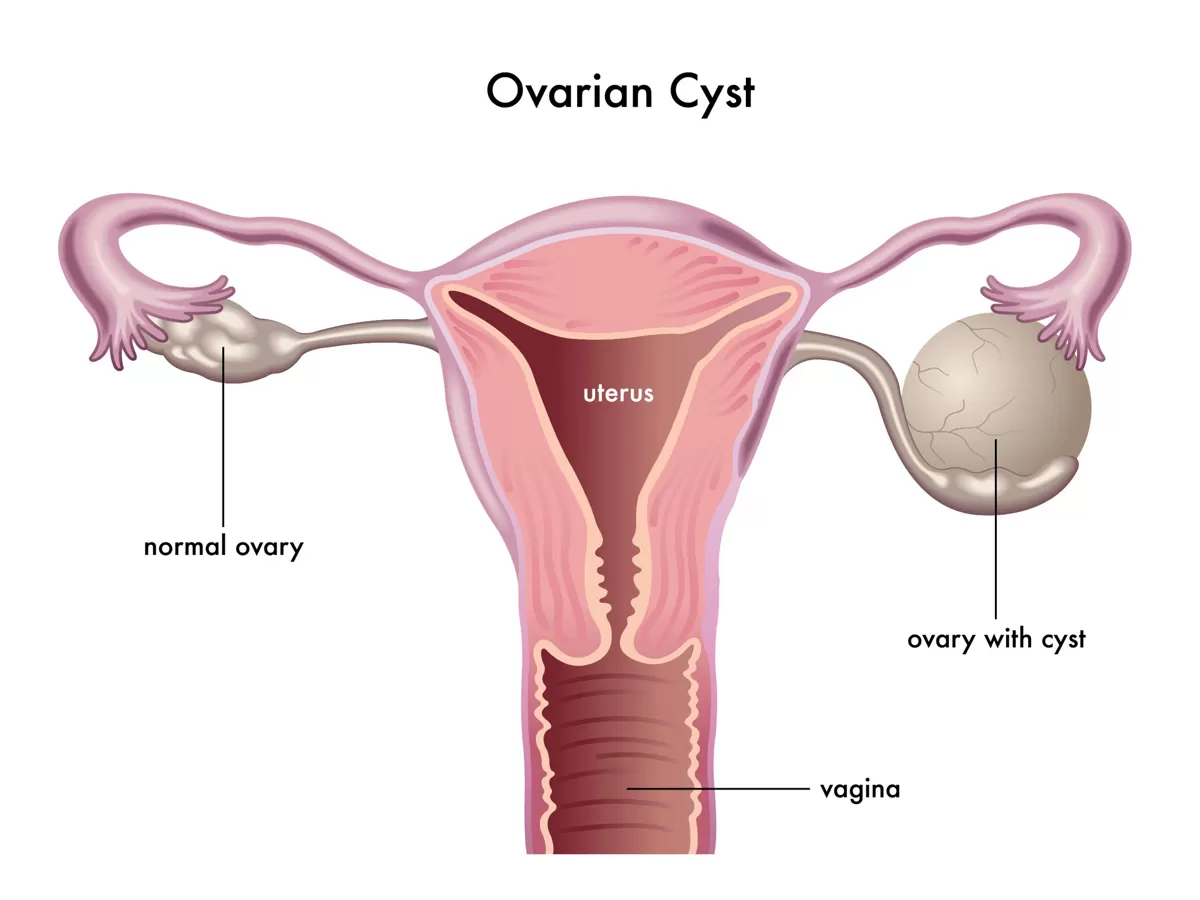
Cervical cancer begins in the cells of the cervix, the lower part of the uterus. When abnormal changes occur in these cells and are left untreated, they can develop into cancer over time.
What causes cervical cancer?
The primary cause is the Human Papillomavirus (HPV), a DNA virus that comes in over 200 strains. These are divided into two groups:
- High-risk HPV — 14 strains (including 16, 18, 31, 33, 39, 45, 51, 52, 56, 58, 59, 68, 35, 66) that can cause pre-cancerous changes in cervical cells
- Low-risk HPV — strains 6 and 11, which cause genital warts but are not linked to cervical cancer
HPV strains 16 and 18 alone account for approximately 70% of all cervical cancer cases. Women infected with these two strains face a risk of developing cervical cancer up to 35 times higher than the general population.
Who is at higher risk?
- Sexual activity before age 18, or having multiple partners
- Long-term use of oral contraceptives
- History of sexually transmitted infections such as syphilis, gonorrhea, or herpes
- Four or more pregnancies and deliveries
Why choose HPV DNA testing?
HPV DNA testing detects the virus at the genetic level with up to 99% accuracy. It can identify the presence of HPV — including the high-risk strains 16 and 18 — before any cellular changes occur, enabling early intervention before cancer develops.

What is the self-sampling collection kit?
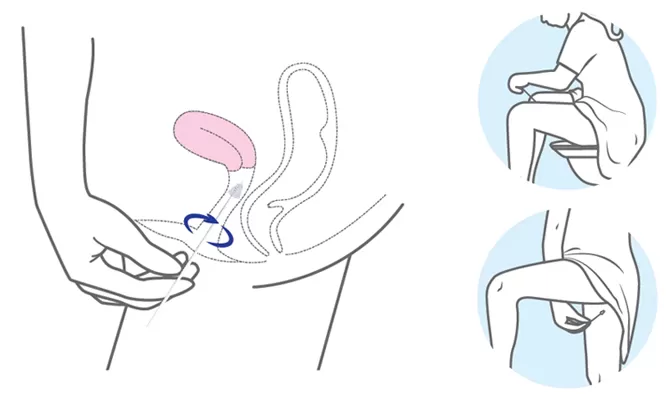
The self-collection kit allows women to collect their own vaginal sample at home, comfortably and without the need for a stirrup examination. Key features include:
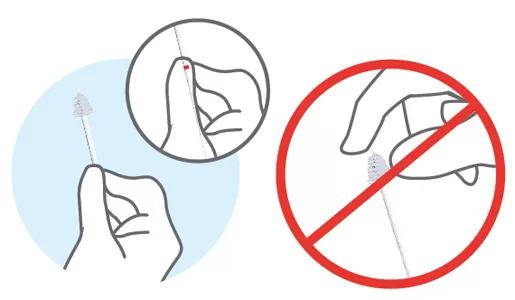
- Soft nylon brush designed in a rocket shape for effective cell collection
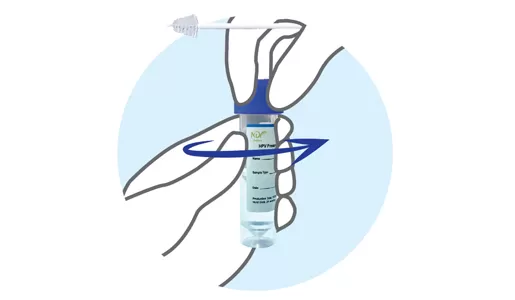
- A breakpoint on the collection stick designed to fit precisely into the sample tube
- Preservation solution that maintains cell shape, quantity, and quality
- Samples remain stable at room temperature for up to one month
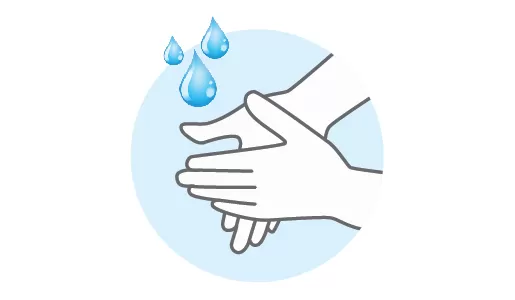
Step-by-step collection instructions
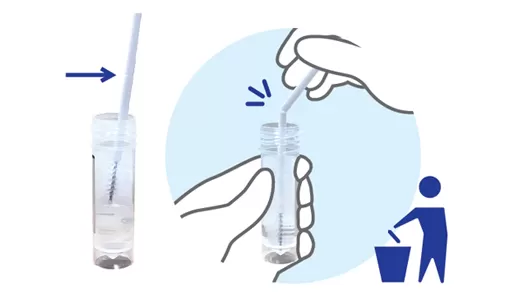
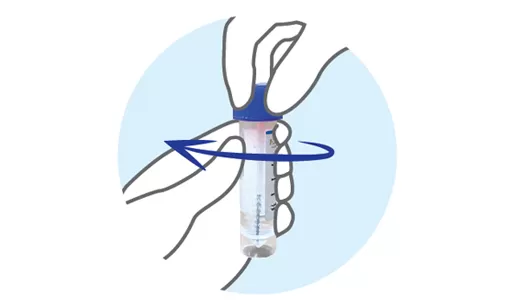
Information provided by National Healthcare Systems Co., Ltd. (N Health), a member of the BDMS Group.