

Translated by AI
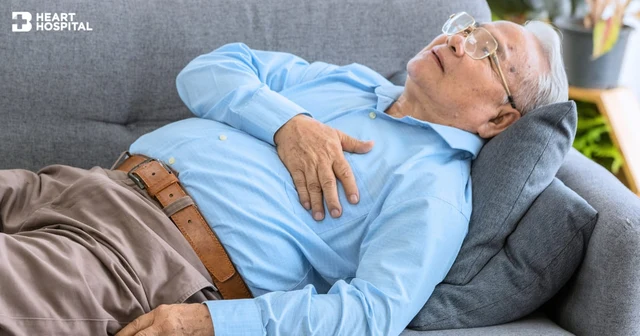
Miniature heart support device IMPELLA increases the chance of survival from acute myocardial ischemia (Heart Attack)
Impella is a small cardiac support device that helps increase survival chances in patients with acute myocardial ischemia and shock, allowing the heart to rest, recover faster, and reduce complications.
Translated by AI
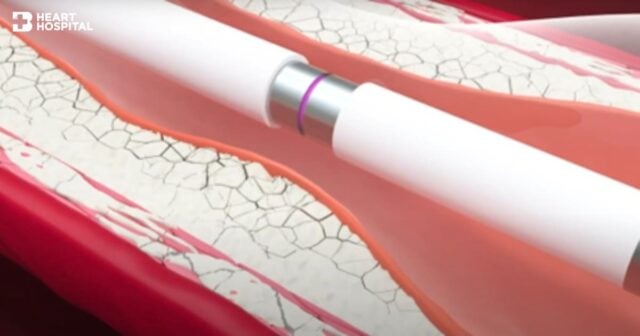
IVL (IntraVascular Lithotripsy) shockwave lithotripsy of calcium in coronary arteries via catheterization
IVL or Intravascular Lithotripsy is a technology for treating coronary artery stenosis with thick and deep calcification by using sound waves through a catheter to break the calcification without damaging the surrounding tissue. It helps to improve the efficiency of stent placement, reduce the risk of re-occlusion, and allows for quick recovery.
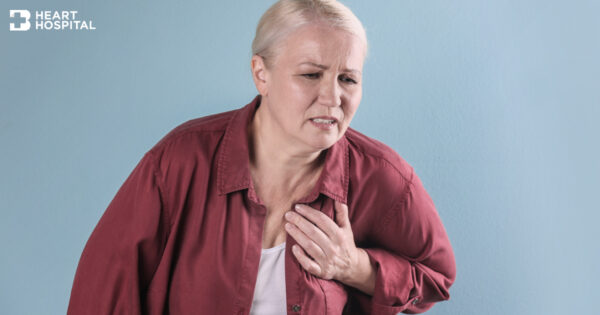
Heart Attack: Knowing the signs can safe your life
Many think that acute ischemia or heart attack is a case when the heart fails abruptly. In truth there are a number of different causes. The heart arteries might be blocked or constricted suddenly.

Cardiac arrest – the abrupt loss of heart function that silently kills people without warning sign
Regarding current statistics, cardiac arrest becomes a public health issue with widespread incidence and severe impact on human health and well-being worldwide. Particularly in Thailand, cardiac arrest has killed approximately 50,000 people each year.

Coronary Artery Calcium Scan: Detect Heart Disease Risk Early
Coronary Artery Calcium Scan (CAC) is an imaging test used to detect the atherosclerotic plaque that forms on the artery walls of the heart. This plaque is made up of calcium, fats, cholesterol and other substances. Over time, plaque buildup hardens and narrows the arteries, resulting in limited blood flow to the heart and other parts of the body. This plaque can burst, triggering a blood clot and causing life-threatening events such as heart attack.

A minimally invasive procedure to treat aortic valve stenosis: Transcatheter aortic valve implantation (TAVI).
Apart from aortic valve regurgitation and rheumatic heart disease, degenerative valvular heart disease is one of the most common and most serious valve disease problems.

Radial artery approach for performing coronary catheter procedures in patient with coronary artery disease
“Coronary artery disease” is the narrowing or blockage of the coronary arteries which is mainly caused by atherosclerosis. Atherosclerosis, known as hardening of the arteries, is the buildup of cholesterol and fatty deposits called “atherosclerotic plaques” on the inner walls of the arteries. The obstruction of coronary arteries decreases blood flow to the heart. Eventually, the reduced blood flow may cause angina (or chest pain) and shortness of breath. A complete blockage can result in a fatal heart attack.

Heart Valve Disease Repair Or Replacement Is Possible
There are four heart valves that keep blood flowing in the correct direction. Each valve has flaps that open and close once during each heartbeat. If the valve is damaged or diseased, it will not open or close properly, disrupting the blood flow from your heart to your body. Heart valve disease may be present at birth. It can also occur in adults due to many causes and conditions, such as infections, heart diseases, and older age.
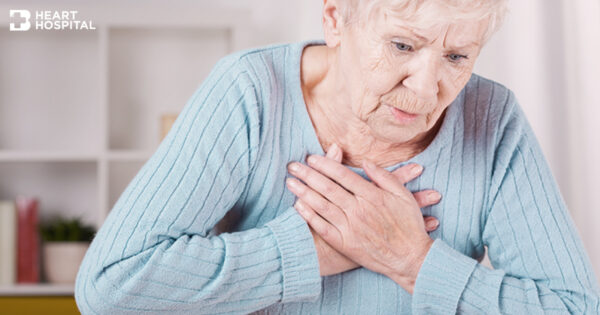
Transcatheter Aortic Valve Implantation (TAVI)
Aortic stenosis, the progressive failure of the aortic valve to open fully, is one of the most common types of heart disease in elderly people. 3% of elderlies aged 75 years and above have this condition. As you age, calcium can build up on the valve, making it harder and thicker. As a result, your aortic valve is unable to open properly, forcing the heart to work harder to pump blood through the narrowed valve. This can lead to heart failure. Transcatheter aortic valve implantation (TAVI) is a new minimally invasive surgical technique. It is suitable for high risk elderly patients who cannot undergo open-heart surgery.

Translated by AI
TAVI: Repair or Replacement of Heart Valves Without Open Heart Surgery
The heart is an organ that requires careful attention because abnormalities may be hidden and can become symptomatic as one ages, when everything deteriorates. The Bangkok Heart Hospital reveals techniques for repairing or replacing heart valves without the need for open-chest surgery (TAVI/TAVR), designed for elderly patients with high risk factors, allowing them to confidently return to their lives once again.