Sudden cardiac arrest is a severe medical emergency that occurs when the heart suddenly stops pumping blood effectively, causing a sudden loss of blood flow to the brain and vital organs. The person becomes unresponsive and is not breathing normally, although abnormal gasping may occur. Without immediate emergency response and treatment, cardiac arrest can rapidly lead to death.
Cardiac Arrest Statistics
Cardiac arrest is a major public health problem worldwide, but survival varies considerably depending on where the arrest occurs and how quickly CPR and defibrillation are provided. In the United States, for example, 2024 data showed survival to hospital discharge of approximately 10.5% among adults treated by emergency medical services for out-of-hospital cardiac arrest.
Cardiac arrest occurs when the heart suddenly stops pumping blood effectively, usually because of a life-threatening abnormal heart rhythm or another severe disturbance of the cardiovascular system. It can happen to people with known heart disease as well as people with previously undiagnosed conditions.
Coronary artery disease and acute myocardial infarction are important causes of cardiac arrest, particularly in adults. However, cardiac arrest can also result from cardiomyopathy, inherited electrical disorders, severe heart failure, respiratory arrest, pulmonary embolism, major trauma, poisoning, and other conditions.
Warning Signs of Cardiac Arrest and Symptoms
In spite of the fact that cardiac arrest often occurs with no warning, some people may experience symptoms shortly before cardiac arrest, while others collapse without any warning.
- Weakness
- Fatigue
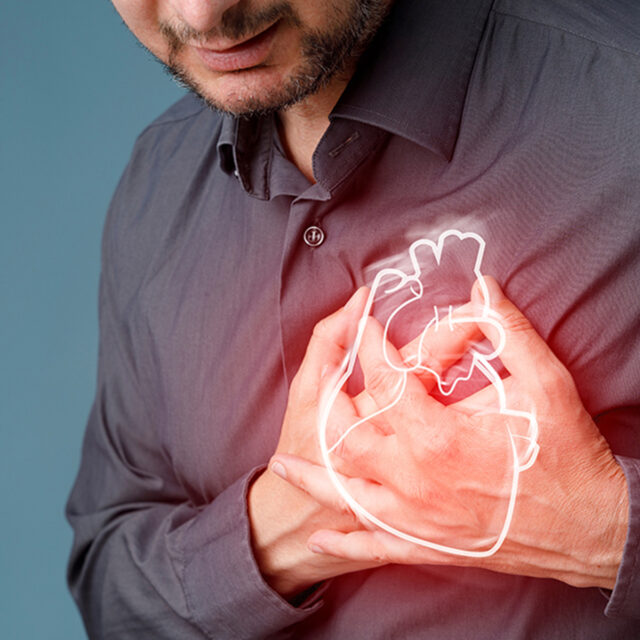
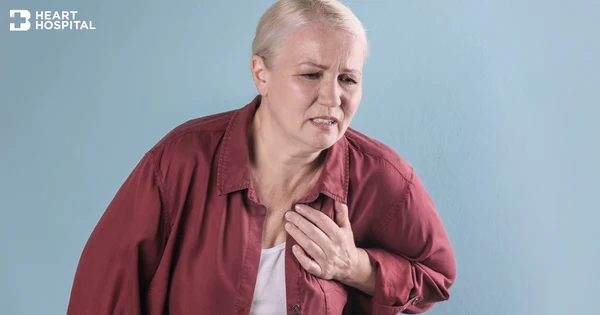
- Chest tightness or chest pain, especially during physical exercise or exertion. Resting may alleviate symptoms, but new, severe, or worsening chest discomfort requires urgent medical assessment.
Possible warning symptoms before cardiac arrest may also include shortness of breath, palpitations, dizziness, or fainting. However, the key signs of an actual cardiac arrest are sudden unresponsiveness and absent or abnormal breathing.
Cardiac Arrest Causes
A sudden cardiac arrest is primarily caused by an electrical malfunction in the heart that disrupts its pumping action. Common triggers and underlying conditions include:
- Ventricular Fibrillation: The dangerous ventricular rhythm where rapid, erratic electrical signals cause the lower heart chambers to quiver uselessly instead of pumping blood.
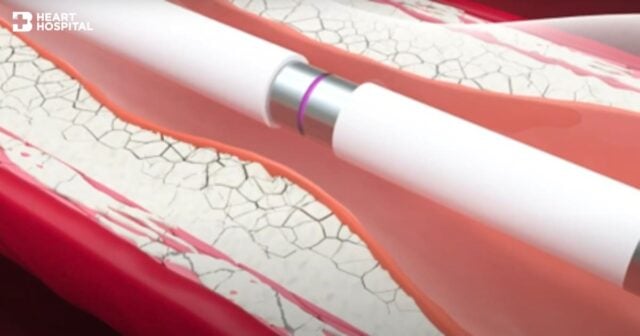
- Coronary Artery Disease: Narrowed or blocked arteries can restrict blood flow, cause a heart attack, and increase the risk of life-threatening ventricular arrhythmias.
- Heart Attack: Acute myocardial infarction can trigger cardiac arrest through severe ischemia or dangerous ventricular arrhythmias. Previous heart attack can also leave scar tissue that increases the risk of future arrhythmias.
- Cardiomyopathy: An enlarged or thickened heart muscle that can lead to abnormal heart contractions and dangerous ventricular arrhythmias.
- Valvular Heart Disease: Leaking or narrowed heart valves that place excessive stress on the heart muscle.
- Congenital Heart Defects: Inherited or congenital conditions affecting the heart’s electrical system, such as Long QT syndrome or Wolff-Parkinson-White syndrome.
- Blunt Chest Trauma: A rare condition (commotio cordis) where a forceful blow to the chest disrupts the heart’s electrical cycle.
Other causes include severe respiratory problems such as drowning or choking, pulmonary embolism, major electrolyte abnormalities, poisoning or drug toxicity, and other critical illnesses.
Risk Factors
Since sudden cardiac arrest is firmly associated with coronary artery disease, risk factors of cardiac arrest especially in young adults include:
- Smoking
- Inadequate sleep
- Consumption of a diet high in saturated fat
- Preexisting conditions e.g. hypertension, high blood cholesterol and diabetes
- A family history of cardiac arrest or sudden cardiac death
Additional risk factors include known coronary artery disease, previous heart attack, heart failure, cardiomyopathy, inherited arrhythmia syndromes, and a family history of inherited heart disease or sudden cardiac death.

Instructions When Having Chest Pain
- If chest pain suddenly develops and progresses severely, immediately call emergency services.
- In patients who have had cardiac disease, if they have been prescribed an anti-angina medication such as sublingual nitroglycerin, they should use it according to their doctor’s instructions. If chest discomfort is new, severe, worsening, occurs at rest, or does not improve promptly, emergency medical assistance should be sought immediately.
- Patients with suspected heart attack should seek emergency medical care rather than driving themselves to the hospital. After arrival, an electrocardiogram (ECG) and blood tests such as cardiac troponin will be performed when appropriate. If an acute coronary syndrome is diagnosed, treatment may include medications and, when indicated, urgent coronary reperfusion such as PCI.
- The length of hospitalization varies depending on the type and severity of the condition, complications, treatment, and recovery.
- For achieving a full recovery prior to discharge from the hospital, lifestyle modifications and rehabilitation advice will be instructed by doctors, nurses and physiotherapists.
- Since heart conditions become chronic health problems, appointments for follow-up and prescribed medications must be strictly followed as supervised by the doctors.
Cardiac Arrest vs. Heart Attack
People often use these terms interchangeably, but they are entirely different medical events. Think of a heart attack as a “plumbing” problem, while cardiac arrest is an “electrical” problem.
|
Feature |
Sudden Cardiac Arrest |
Heart Attack (Myocardial Infarction) |
|
The Problem |
A sudden failure of the heart to pump blood effectively, usually due to a life-threatening abnormal heart rhythm. |
Reduced or blocked blood flow to part of the heart muscle, causing myocardial injury. |
|
Symptom Onset |
Sudden and immediate. |
Can be sudden, but often starts slowly with mild pain or discomfort. |
|
Consciousness |
The person immediately loses consciousness. |
The person usually remains conscious and alert. |
|
Breathing |
Breathing stops or the person gasps for air. |
The person breathes normally but may experience shortness of breath. |
|
Relationship |
A severe heart attack can trigger a cardiac arrest. |
A heart attack can cause cardiac arrest, while previous myocardial infarction can increase the future risk of cardiac arrest. |
Prevention and Risk Reduction
- Regular health and cardiovascular risk assessment is recommended according to age, medical history, and individual risk factors.
- If warning symptoms exhibit e.g. fatigue, weakness, chest discomfort, especially with abnormal EKG results, medical assistance provided by expert cardiologist must be further obtained.
- Contributing factors must be kept under control, including:
- Blood pressure should be maintained within an individualized target recommended by your healthcare professional, rather than using one target for everyone.
- Blood sugar should be kept within an individualized target based on age, diabetes status, medications, and overall health.
- LDL, a lipid that increases the risk of heart disease, should be kept at an appropriate target based on the individual’s cardiovascular risk.
- Smoking cessation is strongly recommended.
- Consuming healthy foods enriched with fibers e.g. fruits and vegetables
- Regular exercise for at least 150 minutes/ week
- Avoiding sleep deprivation and stress. It is vital to maintain sufficient sleep, generally around 7–9 hours per night for most adults.
Screening and Early Detection of Cardiovascular Diseases
- Cardiovascular screening should be based on an individual’s age, symptoms, risk factors, and medical history rather than routinely performing the same tests for everyone.
- For people at increased cardiovascular risk, assessment may include blood pressure measurement, lipid profile, diabetes assessment, smoking status, family history, and overall cardiovascular risk estimation. Additional tests such as an ECG, coronary artery calcium scoring, or other cardiac imaging may be appropriate in selected individuals.
- Chest X-ray, echocardiography, stress testing, coronary CT angiography, and cardiac catheterization are not routine screening tests for every asymptomatic person. They are used when there is an appropriate clinical indication.
- If myocardial infarction or acute coronary syndrome is suspected, urgent ECG and cardiac troponin testing are essential, with additional imaging or coronary angiography selected according to the clinical situation.

Cardiac Arrest Emergency Call
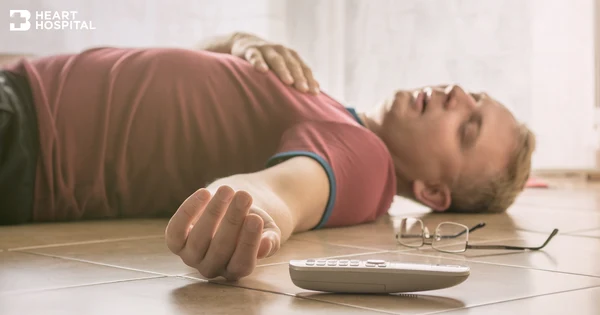
If you witness someone collapse and they are unresponsive or not breathing normally, time is critical. Take these steps immediately:
- Step 1: Call for Help: Immediately dial your local emergency services (e.g., 911 globally, or 1669 in Thailand). If other people are around, point to someone specific and tell them to make the call and find the nearest AED.
- Step 2: Start CPR (Cardiopulmonary Resuscitation): Do not wait for help to arrive. Begin chest compressions immediately. For an adult, push hard and fast in the center of the chest at a rate of 100–120 compressions per minute, allowing the chest to recoil completely between compressions.
- Step 3: Use an AED (Automated External Defibrillator): As soon as an AED is available, turn it on immediately and follow the voice prompts. The device will automatically analyze the patient’s heart rhythm and instruct you to deliver a life-saving electrical shock if necessary. Ensure no one is touching the person when the shock is delivered.
- Step 4: Do Not Stop: Continue performing CPR and following the AED instructions continuously until paramedics arrive and take over the situation.
Cardiac Arrest Treatment
Upon arrival at the hospital, medical professionals will focus on stabilizing the patient, protecting the brain, and treating the underlying root cause.
Key hospital treatments include:
- Defibrillation and Advanced Life Support: For cardiac arrest caused by shockable rhythms such as ventricular fibrillation or pulseless ventricular tachycardia, rapid defibrillation combined with high-quality CPR is essential.
- Post-Cardiac Arrest Care: After return of spontaneous circulation (ROSC), treatment focuses on maintaining adequate oxygenation, ventilation, blood pressure, temperature control, neurological monitoring, and identifying and treating the underlying cause.
- Targeted Temperature Management (Therapeutic Hypothermia): Temperature control is used in patients who remain unresponsive after ROSC. Rather than routinely inducing hypothermia, current practice emphasizes deliberate temperature management and prevention of fever.
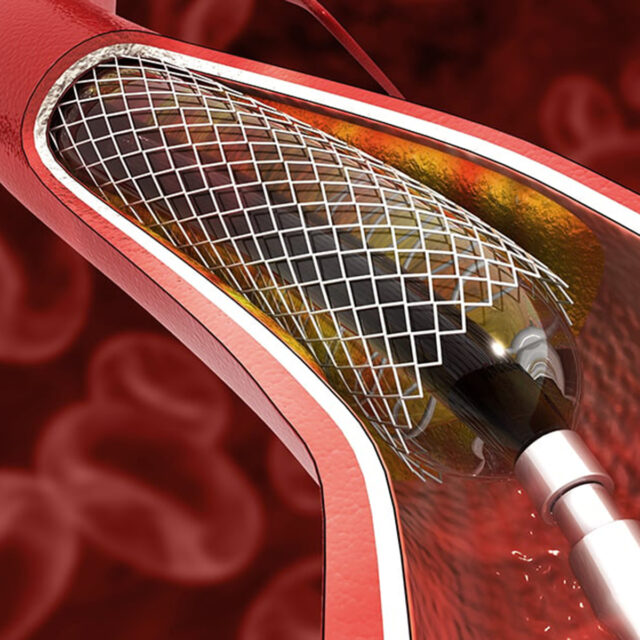
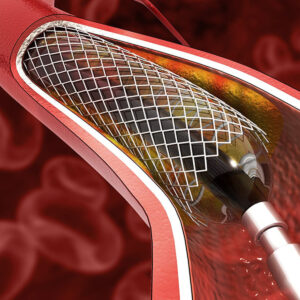
- Coronary Reperfusion Therapy: If the cardiac arrest was triggered by a blocked artery (heart attack), coronary angiography and PCI may be required when clinically indicated. In patients with persistent ST-segment elevation after resuscitated cardiac arrest, an immediate reperfusion strategy is recommended. Routine immediate coronary angiography is not recommended for every resuscitated patient without persistent ST-segment elevation.
- Implantable Cardioverter-Defibrillator (ICD): To protect the patient from future life-threatening episodes, an ICD may be recommended in selected survivors when the risk of recurrent malignant ventricular arrhythmia remains high and there is an appropriate indication.
- Long-Term Rehabilitation: Patients who survive a cardiac arrest will require ongoing cardiac care. Doctors will prescribe a regimen of medications and provide individualized rehabilitation, risk-factor management, and follow-up to address the underlying cause and reduce the risk of recurrence.
For those seeking preventative screening or advanced cardiac care in Thailand, Bangkok Heart Hospital is dedicated to specialized heart care. The facility is equipped with state-of-the-art medical technology for the precise diagnosis and treatment of complex heart conditions.
Frequently Asked Questions
1. Is a cardiac arrest the same as a heart attack?
No. As detailed in the table above, a heart attack happens when blood flow to the heart is blocked or significantly reduced, causing injury to the heart muscle. Cardiac arrest happens when the heart suddenly stops pumping blood effectively, usually because of a life-threatening abnormal heart rhythm. However, a heart attack can be a common cause of cardiac arrest.
2. What is the survival rate for an out-of-hospital cardiac arrest?
Survival rates depend heavily on how quickly the patient receives help. Currently, statistics show that a large majority (about 60% to 80%) of out-of-hospital cardiac arrests are fatal before the patient reaches the hospital. This underscores the absolute necessity of immediate bystander CPR and rapid AED use.
3. Who is at the highest risk for sudden cardiac arrest?
Men and older adults are generally at the highest risk. Additionally, individuals with preexisting (and sometimes undiagnosed) heart conditions, such as coronary artery disease, cardiomyopathy, or a family history of sudden cardiac death, face a significantly elevated risk.
Risk also depends on the underlying cause. People with previous heart attack, heart failure, cardiomyopathy, inherited arrhythmia syndromes, or a family history of sudden cardiac death may have an increased risk of sudden cardiac arrest.