
If cardiogenic shock occurs from acute myocardial ischemia (Heart Attack or Cardiogenic Shock), which may lead to heart failure and be life-threatening, “increasing the chance of survival” is the key to treatment. In addition to the expertise of a specialized cardiac medical team, choosing advanced cardiac support technology such as Impella—an innovative small heart pump that supports heart function via a catheter—not only helps treat shock, but also reduces the risk of heart failure and effectively increases the chance of survival.
What is the Impella heart support device
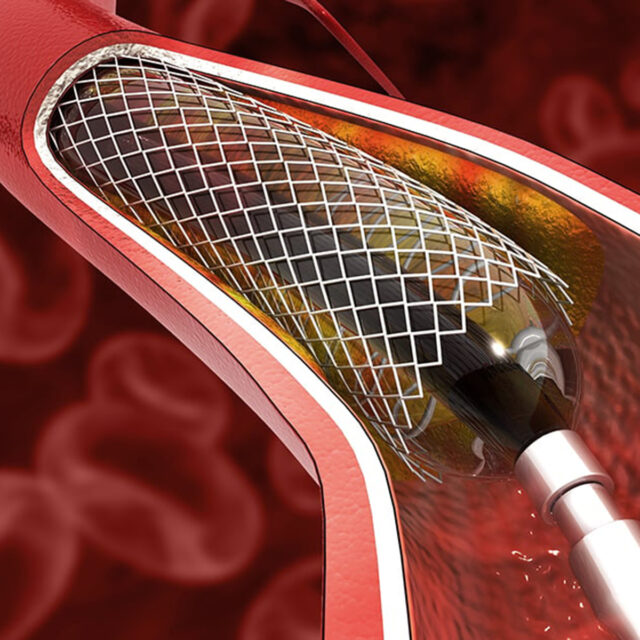
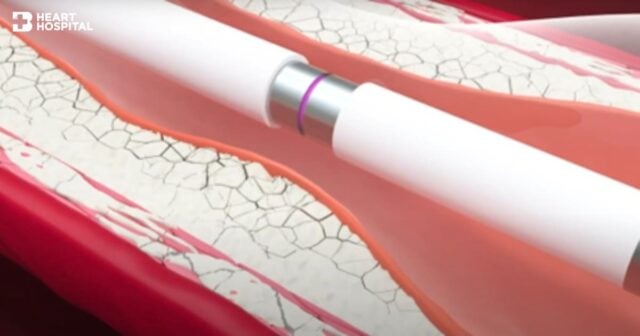
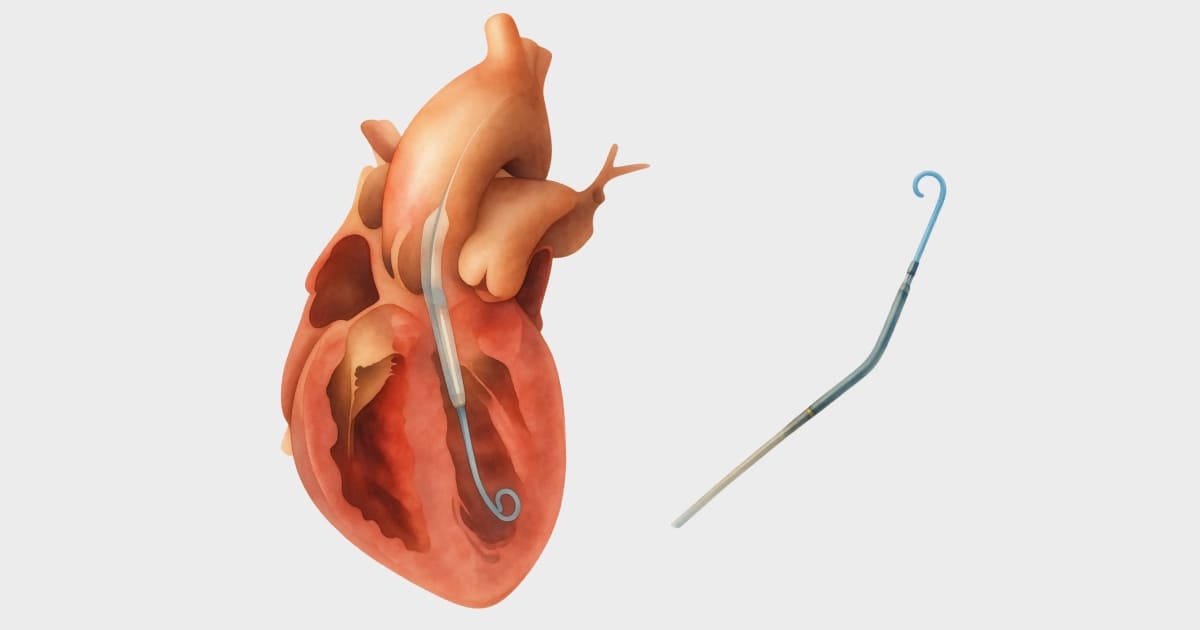
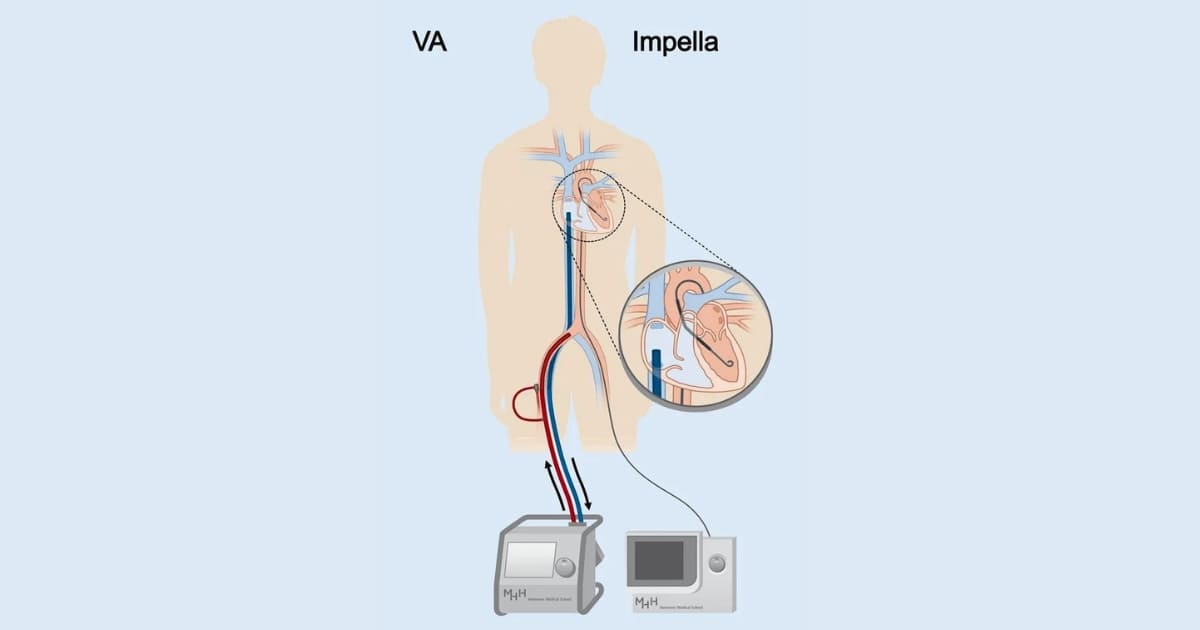
Impella is a device that supports heart function used in critically ill patients such as cardiogenic shock from acute myocardial ischemia (Heart Attack) acute heart failure (Cardiogenic Shock) and chronic heart failure (Chronic Heart Failure) The Impella functions as a small blood pump inserted via a catheter through the femoral artery into the left ventricle to help pump blood into the aorta (Aorta) and onward to vital organs throughout the body. It can increase blood flow by up to 4.3 liters per minute, reducing the workload of the heart, allowing the heart to rest and recover, and helping circulation return to effective function in a short time—reducing the severity of shock and increasing the patient’s chance of survival
Who is the Impella heart support device suitable for
- Patients with shock (Cardiogenic Shock) from acute myocardial ischemia (Heart Attack) or acute heart failure (Acute Heart Failure)
- Patients with shock from chronic heart failure (Chronic Heart Failure) or severe heart failure (Severe Heart Failure) or those at high risk for PCI (Percutaneous Cardiac Intervention) such as complex coronary stenosis/multivessel stenosis, leaky heart valves, etc. They often have long-standing underlying diseases and may need the Impella heart support device during treatment to reduce the risk of complications
- Patients who are not yet in shock but have very poor cardiac contractility severe myocardial infarction (MI) resulting in insufficient blood pumping to supply the body
- Critically ill patients with pulmonary embolism where a blood clot obstructs blood flow in the pulmonary arteries
Severity levels of cardiogenic shock from heart failure
Cardiogenic shock due to heart failure is a medical emergency that can be life-threatening and is classified into
- Grade A At risk of shock The patient is at risk of heart attack or heart failure but has no signs of shock yet. Blood pressure and circulation are still normal.
- Grade B Beginning shock Low blood pressure with abnormally fast or slow heart rate.
- Grade C Worsening Clear shock with early inadequate organ perfusion, such as abnormal blood pressure, no urine output, kidney failure, early liver failure, cool or pale skin; requires medications or devices to support blood flow to organs.
- Grade D Deteriorating severely No response to medications or medical devices for more than 30 minutes, with continuous deterioration.
- Grade E Severe critical condition, cardiac arrest Requires urgent resuscitation, such as chest compressions (CPR) ventilator, defibrillator, extracorporeal heart and lung support (ECMO), heart support device (Impella)
*From grade C and above, specialists often begin using an intra-aortic balloon pump (Intra – Aortic Balloon Pump or IABP), extracorporeal heart and lung support (ECMO) or a heart support device (Impella). The decision depends on the severity of the disease and the degree of shock in each patient
How does the Impella heart support device help critically ill cardiac patients
The Impella heart support device is a technology designed to directly support heart function in critically ill patients, allowing the heart to “rest” and have a chance to recover. It works by pumping blood from the left ventricle (Left Ventricle) to the aorta (Aorta) so that circulation rapidly becomes effective again. It can improve blood flow better than an intra-aortic balloon pump (IABP) in patients with severe cardiac weakness. The tip of the Impella is designed with a coiled (Pigtail) shape to reduce direct contact with the heart wall, helping reduce the chance of Suction Perforation and allowing blood to enter the pump evenly from all directions, as well as reducing the risk of blood clots forming inside the heart. In addition, the device’s pumping speed can be adjusted according to the patient’s condition, enabling appropriate control of circulation and restoring balance in a short period. Use of Impella must be under the supervision of a skilled cardiology specialist to ensure safety and maximize benefit for the patient

At which stage of treatment is the Impella heart support device used
- Insert the Impella for complex, high-risk coronary angioplasty (Complex High – Risk Indicated PCI or CHIP – PCI) in cases of pulmonary edema, multiple coronary artery stenoses, severely reduced myocardial contractility, or complications during coronary balloon angioplasty, to support heart function. It is typically kept in place until the procedure is completed and the patient recovers well without complications.
- Insert the Impella to treat cardiogenic shock (Cardiogenic Shock) in cases of acute myocardial infarction where the heart stops pumping blood, to support blood pressure and temporarily increase blood flow. It is used until short-term recovery, not exceeding 7 days.
- Insert the Impella together with ECMO to support the lungs and heart in patients with severe symptoms, reducing the risk of clot formation and reducing the heart’s workload while awaiting recovery, because using ECMO aloneincreases afterload on the heart (increasing the burden on the heart) and is mainly beneficial only for blood oxygenation and increasing oxygen through the membrane to the vessels entering the heart
- Insert the Impella after cardiac surgery to provide short-term heart support in cases where the heart functions poorly after surgery.
- Insert the Impella while awaiting heart transplantation or long-term ventricular assist device implantation to care for patients while awaiting highly complex treatment
What is Cardiogenic Shock ?
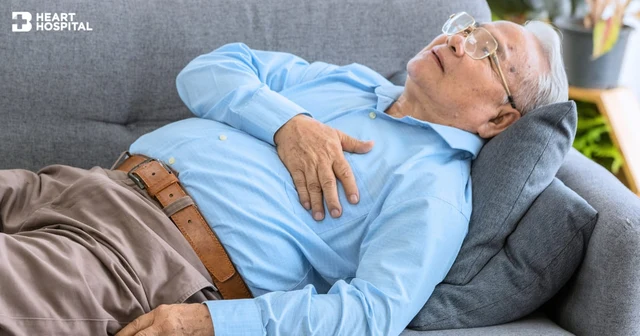
Cardiogenic shock due to heart failure (Cardiogenic Shock) is a medical emergency that occurs when the heart cannot pump enough blood to supply the body. Lack of oxygen may lead to organ failure and can be fatal. Common causes include heart failure, abnormal heart rhythms, and a history of heart attack. Symptoms include a weak pulse, cool and clammy skin, low blood pressure, abnormal heart rhythm, and a heart murmur
How is Cardiogenic Shock treated
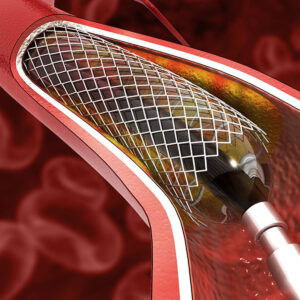
Treatment for cardiogenic shock (Cardiogenic Shock) requires going to the hospital as quickly as possible to increase blood circulation and prevent failure of vital organs. Treatment depends on the cause and severity of the condition, and specialists will consider the most appropriate approach, such as coronary balloon angioplasty with stent placement (PCI), coronary artery bypass surgery (CABG), heart valve repair or replacement, pacemaker insertion or cardiac rhythm control devices, etc. In severe cases, patients may require devices to support heart and lung function, such as an intra-aortic balloon pump (IABP), the Impella heart support device, or extracorporeal heart-lung support ECMO to increase blood flow to vital organs, reduce the heart’s workload, and increase the chance of survival in critically ill patients

Critical cardiac support technology: intra-aortic balloon pump IABP vs heart support device Impella vs extracorporeal heart-lung support ECMO —what’s the difference?
Although the intra-aortic balloon pump (IABP), the Impella heart support device, and extracorporeal heart-lung support (ECMO) are used to support the heart in critical conditions to increase the chance of survival, their operating principles and roles are clearly different.
|
Intra-aortic balloon pump IABP |
Heart support device Impella |
Extracorporeal heart-lung support ECMO |
|
|
Function |
Supports blood circulation |
Directly pumps blood in place of the heart (LV Support) |
Supports both heart and lungs (Full Life Support) |
|
Treatment method |
Insert a balloon into the aorta |
Insert a catheter through a blood vessel with the tip in the left ventricle to pump blood from the left ventricle to the aorta |
Insert cannulas into an artery or vein in the groin to draw blood out of the body to add oxygen through an oxygenator and pump blood back into the body |
|
Key strengths |
|
|
|
|
Limitations |
|
|
|
|
Suitable for |
|
|
|
In some critically ill patients, clinicians may consider using extracorporeal heart-lung support (ECMO) together with the Impella heart support device at the same time, known as ECPELLA, to enhance circulatory support efficiency while also reducing the heart’s workload—helping increase the chance of survival and effectively supporting cardiac recovery.
Which hospital is good for treating acute myocardial ischemia (Heart Attack) with the Impella heart support device
Cardiac and Thoracic Surgery Center Bangkok Heart Hospital is ready to care for and treat patients with acute myocardial ischemia (Heart Attack) to increase survival rateswith critical-life-saving cardiac technology including the Impella heart support device, intra-aortic balloon pump IABP (Intra – Aortic Balloon Pump), and extracorporeal heart-lung support ECMOprovided by skilled cardiology specialists and an experienced multidisciplinary team, together with modern medical equipment, to help patients return to a good quality of life.
Physician specialized in treating acute myocardial ischemia (Heart Attack) with the Impella heart support device
Clin. Prof Dr. Damras Tresukosol Cardiologist and Senior Director Bangkok Heart Hospital
You can click here to make an appointment yourself