




There are four heart valves that keep blood flowing in the correct direction. Each valve has flaps that open and close once during each heartbeat. If the valve is damaged or diseased, it will not open or close properly, disrupting the blood flow from your heart to your body. Heart valve disease may be present at birth. It can also occur in adults due to many causes and conditions, such as infections, heart diseases, and older age. Transcatheter aortic valve implantation (TAVI) is a new minimally invasive surgical technique. It is suitable for high risk elderly patients who cannot undergo open-heart surgery.
What causes heart valve damage?
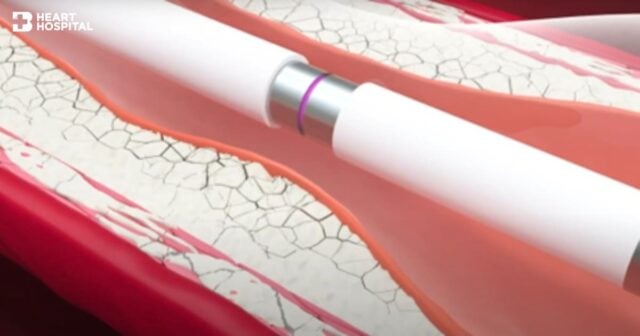
Aortic stenosis, the progressive failure of the aortic valve to open fully, is one of the most common types of heart disease in elderly people. The incidence of this condition is increasing with age: 2% of the elderlies aged above 65 years, 3% of the elderlies aged above 75 years, and 8 % of the elderlies aged above 85 years. As you age, calcium can build up on the valve, making it harder and thicker. As a result, your aortic valve is unable to open properly, forcing the heart to work harder to pump blood through the narrowed valve. For people with aortic valve problems, the usual treatment is open heart valve surgery. However, for people who are too ill or who have many other medical problems such as diabetes and hypertension, open heart surgery may be considered too risky. If left untreated, aortic valve stenosis can lead to serious heart problems and even death.

Symptoms
Some people with aortic valve disease may not experience symptoms. Signs and symptoms of aortic valve disease may include:
- Fainting – There is not enough blood flow to the brain or the patient might have irregular heartbeats.
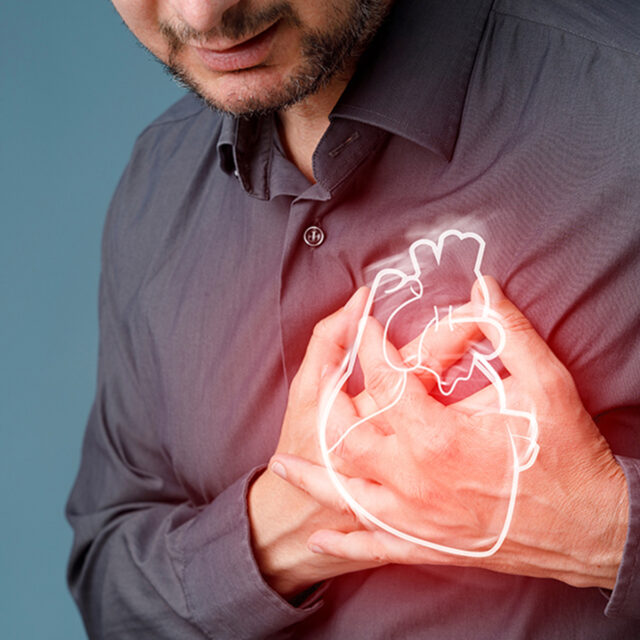
- Chest pain – The heart needs to work harder to pump blood through the damaged valve.
- Irregular heartbeat, palpitations
- Fatigue after being active or having less ability to be active – Damaged valve affects the heart’s ability to pump enough blood through the body
Aortic valve replacement
Aortic valve replacement is usually performed through traditional open heart valve surgery. During the procedure, a large incision is made in your chest to access your heart. Your heart is stopped and a heart-lung bypass machine is used to take over the job of the heart during the operation. Then, the faulty valve is removed and replaced with the new one. After the procedure, it might take a few months to fully recover. Also, as it is a big operation, it carries a risk of complications.
Another surgical option is a minimally invasive procedure that involve smaller incisions in the chest and a catheter inserted in the leg or chest (transcatheter aortic valve implantation, or TAVI). This technique has been used in Thailand around 5-6 years. Minimally invasive heart surgery results in a shorter hospital stay, quicker recovery and less pain compared to traditional open-heart surgery.

TAVI – replacing an aortic valve without open heart surgery
TAVI – Transcatheter Aortic Valve Implantation is a less invasive procedure compared to conventional open-heart valve surgery. It is suitable for the elderlies and high risk patients. In this procedure:
- A 3-4 mm incision is made in your groin.
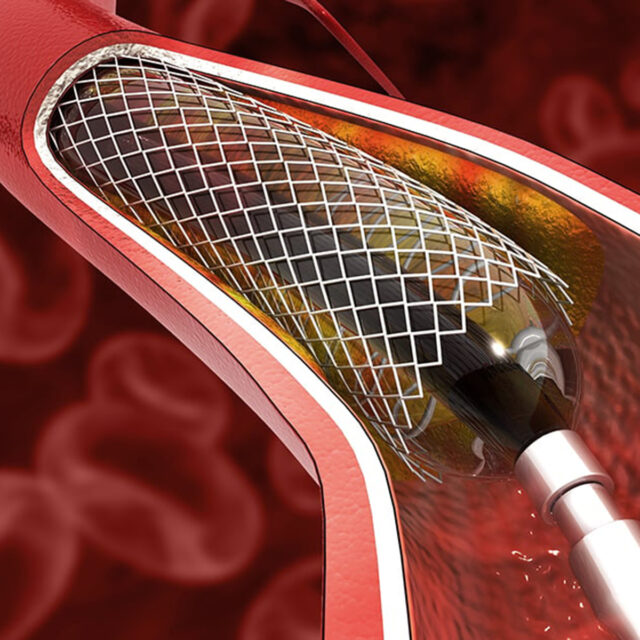
- A catheter is inserted and is guided to the heart at aortic valve position.
- A replacement valve is then inserted through the catheter and guided to your heart. A balloon may expand the valve, or some valves can self-expand.
* TAVI approach may be different depending on the patient’s symptoms and severity of the condition. The catheter might be inserted through the chest or near the shoulder. - The surgical time is around 2-3 hours depending on the patient’s condition.
Advantages of TAVI
- Reduce complications of general anesthesia
- Smaller incision
- Reduced rate of infection
- Less recovery time (also depends on patient’s age and comorbidity)
Aortic valve stenosis signs and symptoms generally develop when narrowing of the valve is severe. Some people with aortic valve stenosis may not experience symptoms for many years. Therefore, it is important to have an annual check-up especially for the elderlies.