Many think that acute ischemia or heart attack is a case when the heart fails abruptly. In truth there are a number of different causes. The heart arteries might be blocked or constricted suddenly. The cardiac muscle could have failed because it severely lacked blood. It could also be irregular heartbeats or congestive heart failure that caused cardiac arrest. Therefore, knowing its symptoms is vital to preventing and lessening mortality risks.
What is Acute Ischemia?
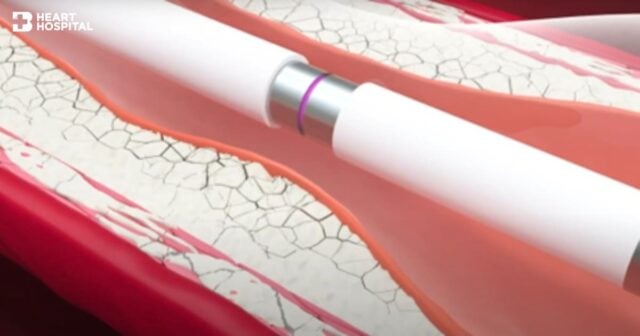
Acute Ischemia – also known as myocardial infarction or heart attack – is a medical emergency where the heart muscle suddenly does not receive sufficient blood flow. This happens when the heart arteries are severely blocked or constricted, which causes the heart muscle to stop pumping blood properly to the rest of the body. It can be fatal as the heart muscle will begin to die.
At-Risk Groups
- 50 years old or more
- Suffering from coronary artery disease
- Has a history of the following conditions:
- Diabetes
- High blood pressure
- High cholesterol
- Has family history of coronary artery disease
- Smoker
- High stress level
- Overweight
Symptoms and warning signs
- Feeling fatigued with only some exertion
- Shortness of breath
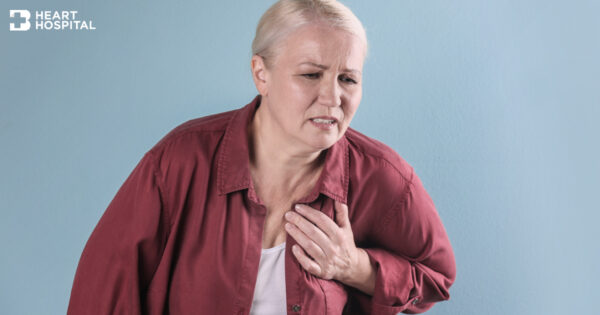
- Tightness of chest
- Chest congestion
- Feeling weaker than normal (e.g., requiring to rest while walking up the stairs when it never used to be needed before, etc.)
- Light-headed, nausea, vomiting, dizziness
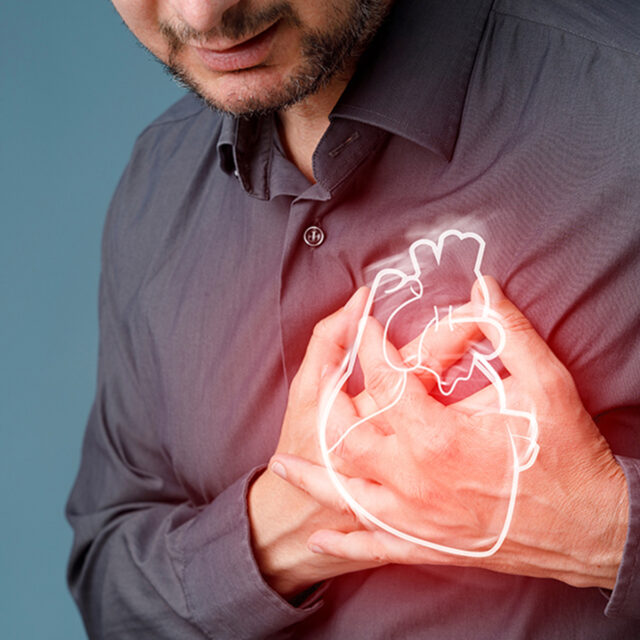
- Sharp pain in one or both arms or shoulders, feeling congested below the wind-pipe
- Sharp pain in the jaw, neck, or around inside both shoulder blades – mostly felt during exercise or when feeling stressed
- Abdominal discomfort – as if being compressed or having indigestion
Heart Attack Diagnosis
In diagnosing pre-conditions for a heart attack, the cardiologist will principally consider the patient’s risks and symptoms by checking the patient’s medical history in detail. This includes physical check-ups, blood tests, recording the electrical signals in the heart, and determining the amount of calcium build-up in the arteries. For young adults, a general cardiovascular health check is suggested; while a deeper diagnosis is recommended for older adults.
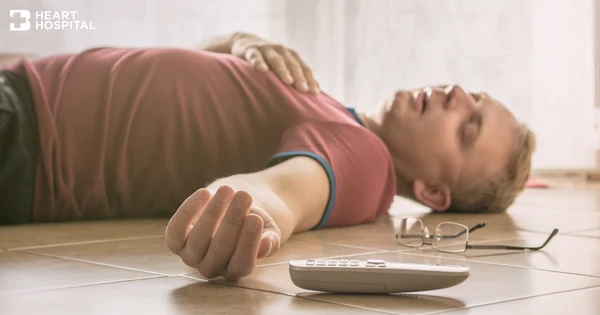
In a case where the patient exhibits direct symptoms of a heart attack (e.g., chest tightness, fatigued, fainting, experiencing palpitation, etc.), it is considered high risk and must be properly treated immediately before it is too late.
Heart Attack Treatment
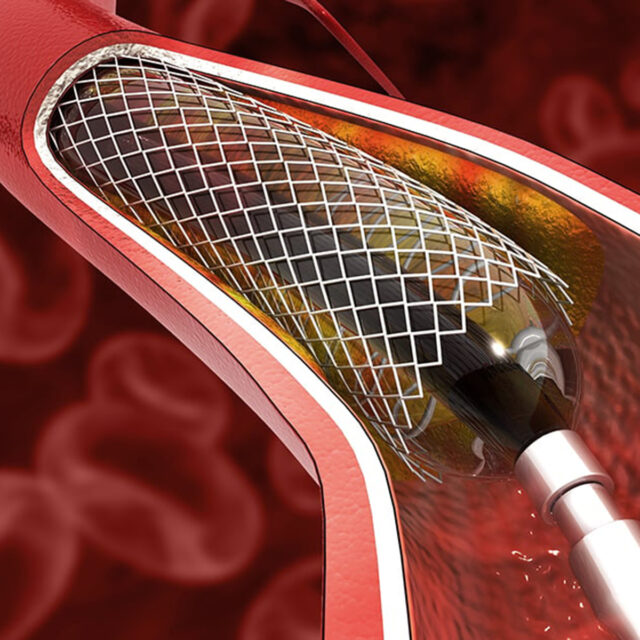
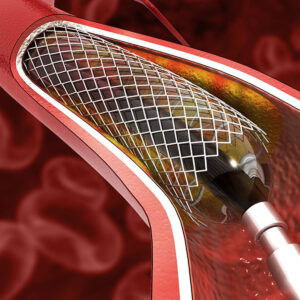
If a person is suffering from a heart attack, it is recommended that he/she is urgently brought to the nearest hospital with a medical team that is equipped to effectively and properly treat the condition. A cardiologist will assess the patient’s state by checking the vital signs and the heart’s condition as well as the patient’s blood. If it is determined that the heart is not receiving sufficient blood to function correctly, blood thinner may be administered; or a coronary artery angiography may be considered as soon as possible – usually within 24 to 72 hours. The later involves inserting a small balloon to enlarge the narrowed arteries, enabling proper blood flow. Otherwise, the heart muscle will begin to die if it does not receive sufficient amount of blood, causing the heart to cease abruptly. Therefore, when experiencing symptoms of a heart attack, it is critical to call for an ambulance urgently – by dialing 1669 or 1724 immediately. Importantly, if the patient is properly treated within the first 3 hours from the initial onset of the condition, the treatment will be most effective and the patient’s chance of survival will be increased.
Heart Attack Prevention
- Maintain regular annual medical check-ups.
- Consume healthy foods – i.e., avoid high-fat meals; give up foods that are cooked from reused oil; give preference to low-fat meals; eat more fruits and vegetables with high fibers; instead of frying, choose baking, steaming, boiling, or grilling as the preferred cooking methods.
- If you have an existing medical condition, it is important to take your medication regularly – both at home and while travelling.
- Properly manage your stress level (e.g., through medication or travels, etc.). This is because stress puts a lot of burden on the heart.
- Sleep restfully 6 – 8 hours daily. Do not undertake any activity after 11:00 p.m.
- If you suspect you might have a coronary artery disease, do not wait. Consult a doctor urgently.
Maintaining a strong heart is vital. Apart from keeping a healthy living, a regular annual cardiovascular consultation with your cardiologist is recommended as the way to prevent any cardiovascular disease in the long run and keep a heart attack as far away as possible.