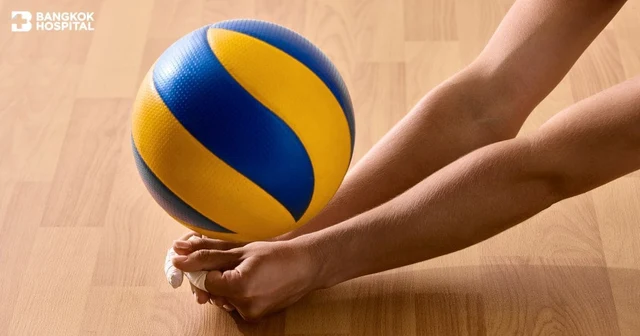

Physical recovery after a volleyball match is extremely important, especially in tournament formats where athletes may have to compete on consecutive days or play multiple matches within a short period. This places heavy demands on the muscles, nervous system, and energy systems, increasing the likelihood of accumulated fatigue. Proper recovery is therefore a key component that helps athletes recover well, maintain performance, reduce injury risk, and prepare for the next match.
The following 9 post-volleyball match recovery techniques are based on Sports Recovery principles, arranged in recovery order to help you recover faster and return to training or competition at full efficiency.
1) Active Recovery
After intense competition, you should step down with low-intensity exercise such as light movement and continuous walking for about 6 – 10 minutes to increase blood flow to the muscles, help remove waste products from the muscles, and promote the muscle recovery process.
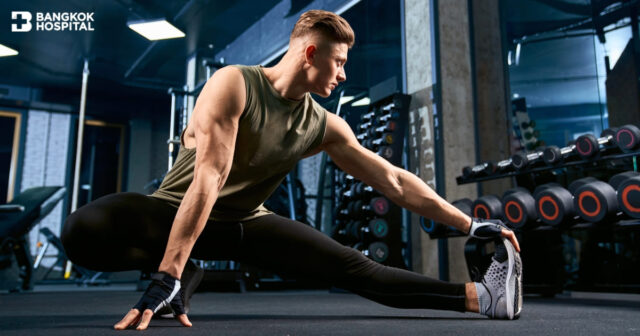
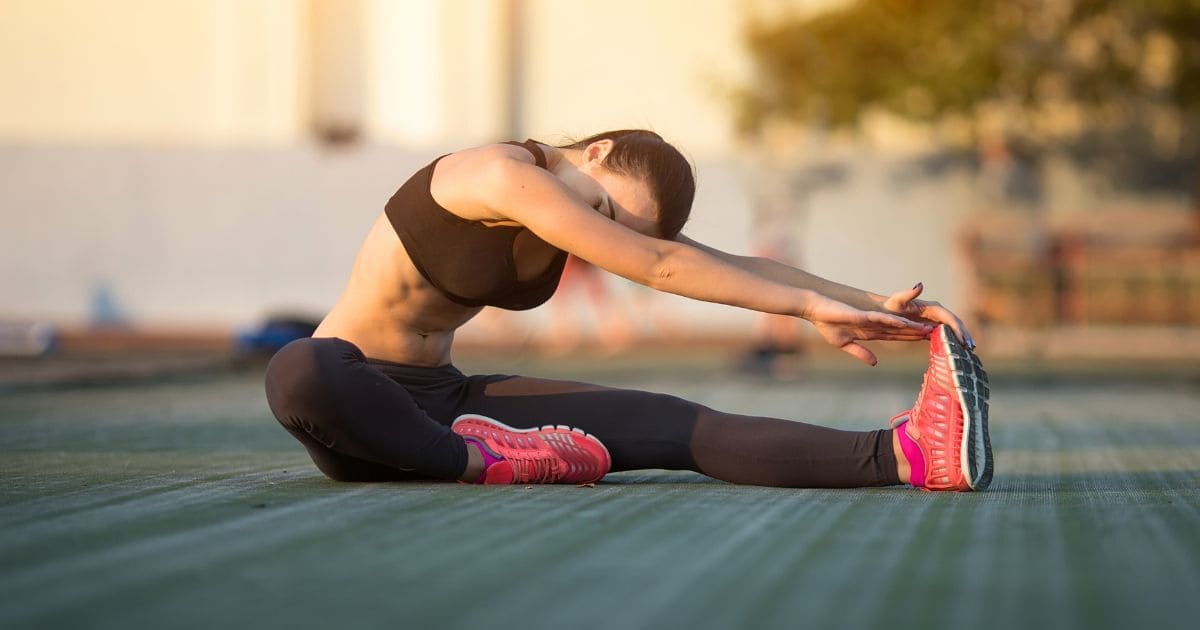
2) Stretching
Relaxation stretching helps increase blood circulation, improve muscle flexibility, and promote joint mobility.
3) Nutrition
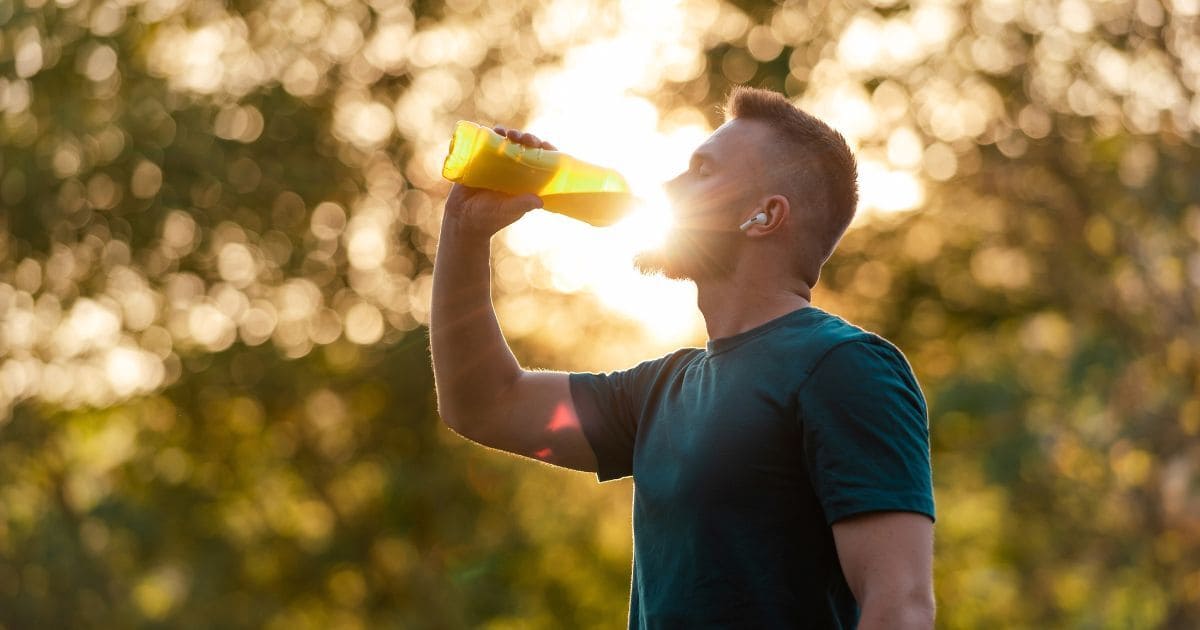
Drink a beverage that combines carbohydrates and protein because this is an important part of repairing damaged muscle tissue. Evidence suggests that consuming carbohydrates together with protein at a ratio of about 3 – 4 to 1 may help support post-exercise recovery, and it should be consumed within the first 40 – 60 minutes after heavy exercise or competition. Some studies report that tart cherry juice, which contains natural antioxidants, may help reduce muscle soreness and support recovery after exercise. However, you should still eat three complete main meals, with a ratio of carbohydrates (starches and sugars) at 70%, and protein and fat at about 15% each.
4) Hydrotherapy
When you return to your accommodation, you should immerse your body in cold water (Cold Water Immersion – CWI) at a temperature of 10°C – 15°C for about 5 – 10 minutes to reduce inflammatory substances and waste products that accumulate in the muscles, helping to reduce post-match soreness and making you feel better recovered.
5) Sports Massage
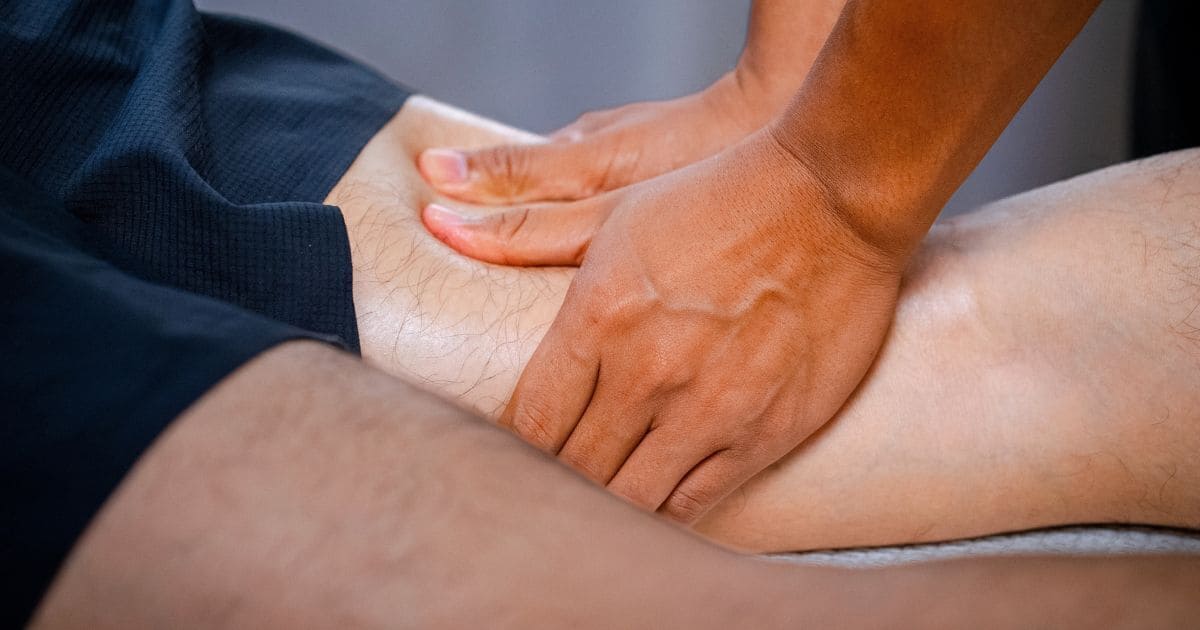
Relax the muscles, increase blood circulation, and remove waste products from the muscles to help relax muscles, reduce tightness, and promote recovery after competition.
6) Pneumatic Compression Pump
Air compression massage devices are used to replace manual massage; automatic massage chairs are also in this group, but they use roller wheels. As for newer tools such as vacuum suction devices, the principle is the opposite of massage: suction is applied to the lower trunk and legs to increase blood circulation. This helps increase blood and lymph circulation, reduce muscle swelling, and may help athletes feel better recovered after competition.
7) Hyperbaric Oxygen Capsule
The principle is for the athlete to stay in a capsule with pressure higher than normal atmospheric pressure for about 30 – 60 minutes while breathing high-concentration oxygen. This increases the amount of oxygen dissolved in the blood and promotes oxygen delivery to tissues, which may help support the body’s recovery process.
8) Compression Garments
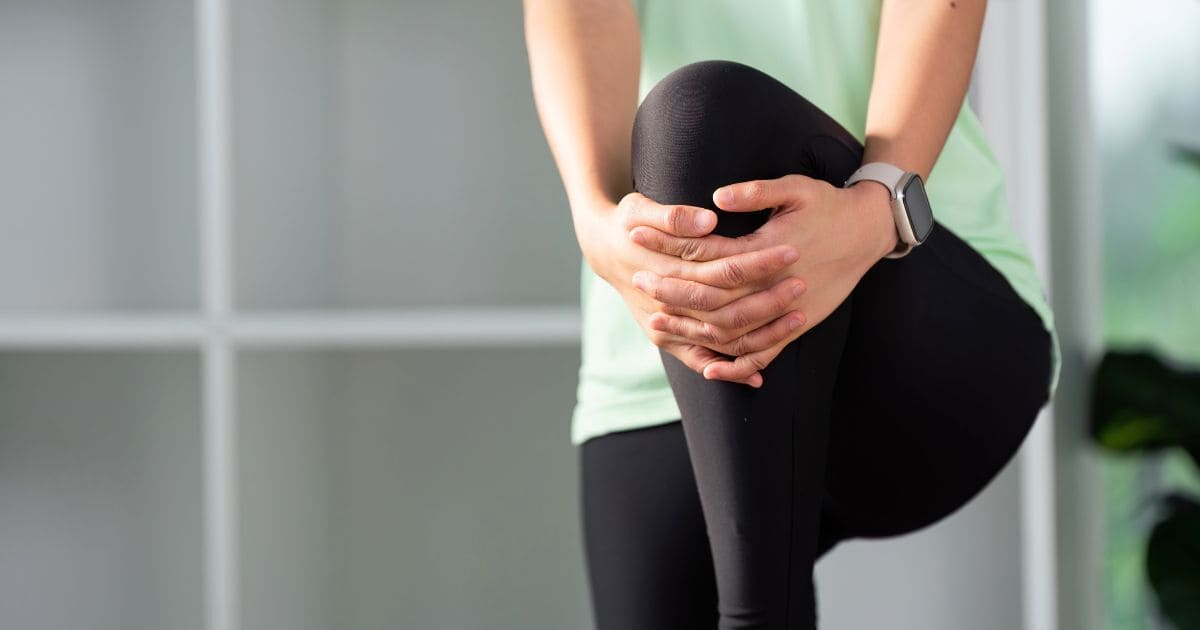
(Full-leg compression pants from the ankles to the waist) help increase blood circulation by applying compression to the legs, reduce the space between muscle cells, reduce swelling and waste accumulation in the muscles, and promote orderly alignment of muscle fibers. Effectiveness and recovery improve when the garment size is appropriate, meaning sufficient pressure of about 14 – 19 mmHg at the thigh and 19 – 24 mmHg at the calf. Wear them to sleep and remove them in the morning.
9) Sleep
Most importantly, quality sleep helps the body recover well, and the recommended duration (Good Sleep) is 7 – 9 hours.
Why is post-match recovery important for volleyball athletes?
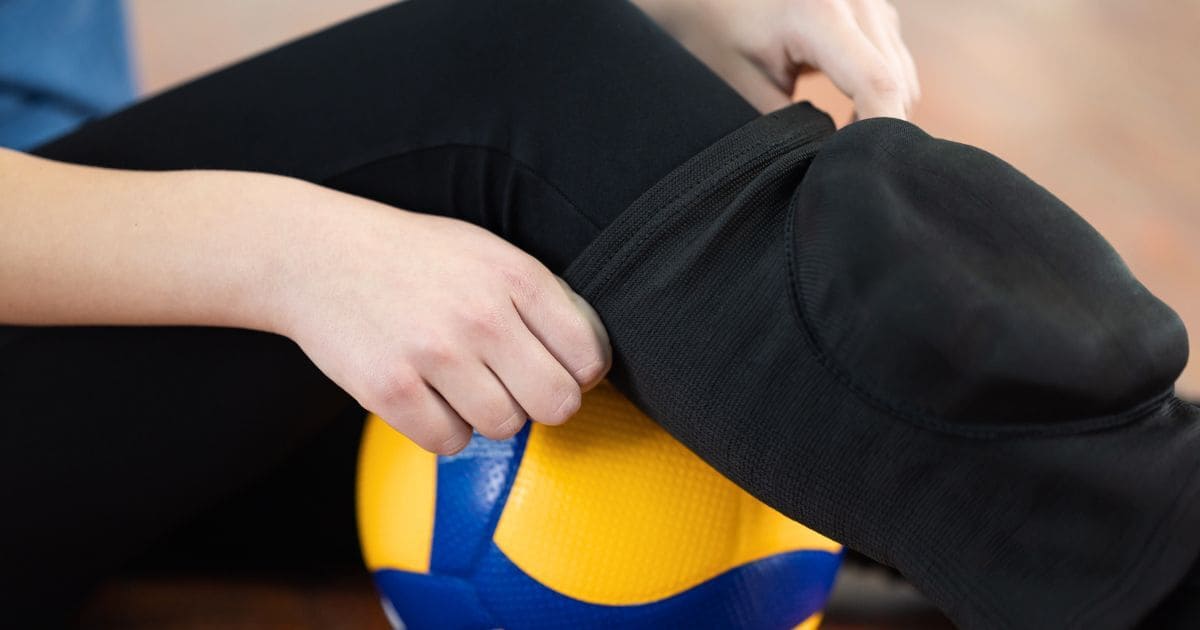
Physical recovery after a volleyball match is extremely important because it is a process that helps athletes recover from fatigue and be ready to return to training or competition effectively. During competition, muscles must work intensely, leading to microscopic muscle damage (microdamage), which is a natural change that occurs after strenuous exercise. In addition, the body expends a large amount of energy and experiences neuromuscular fatigue from jumping, spiking, diving, and continuous rapid movements.
Therefore, athletes should receive appropriate recovery, whether through stretching and muscle release, getting enough rest, drinking fluids to replace sweat loss, and consuming protein and carbohydrates in appropriate amounts to help repair tissue, restore energy, and support the body’s recovery process.
If recovery is neglected, it may result in accumulated fatigue, slower recovery, reduced performance, and an increased risk of future injury.
Hospital specializing in the care and treatment of exercise- and sports-related injuries
The Sports and Exercise Medicine Institute, Bangkok Hospital, or BASEM, is ready to care for and treat all injuries from exercise and sports to international standards, with a team of specialist physicians and multidisciplinary sports medicine experts to help you become fit and strong again.
Physician specializing in the care and treatment of sports injuries
Dr. Pichet Yiemsiri, Specialist Physician in Rehabilitation Medicine, Sports and Exercise Medicine Institute (BASEM), Bangkok Hospital
You can click here to make an appointment yourself.