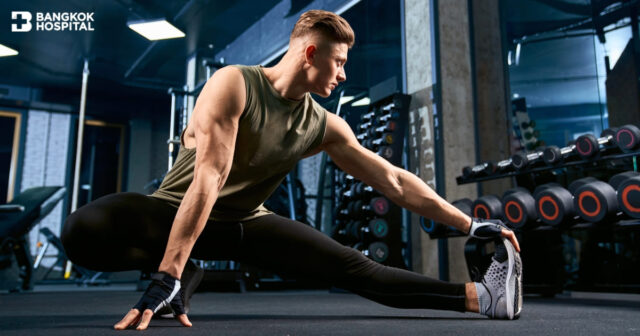

The HYROX sporting competition was first held in Germany in 2017, but it has become extremely popular in Thailand over the past few years. With a competition format that combines running and Functional Training at each station to test 360-degree physical performance under the same strict rules worldwide, once participants have proven their strength, they need to return to urgently recover their muscles.
HYROX Proving Physical Performance
HYROX is a fitness competition that includes running 1 kilometer for 8 rounds and 8 Functional Exercise stations. Interesting data from Frontiers in Physiology in 2025 states that those who achieve good times often share these characteristics:
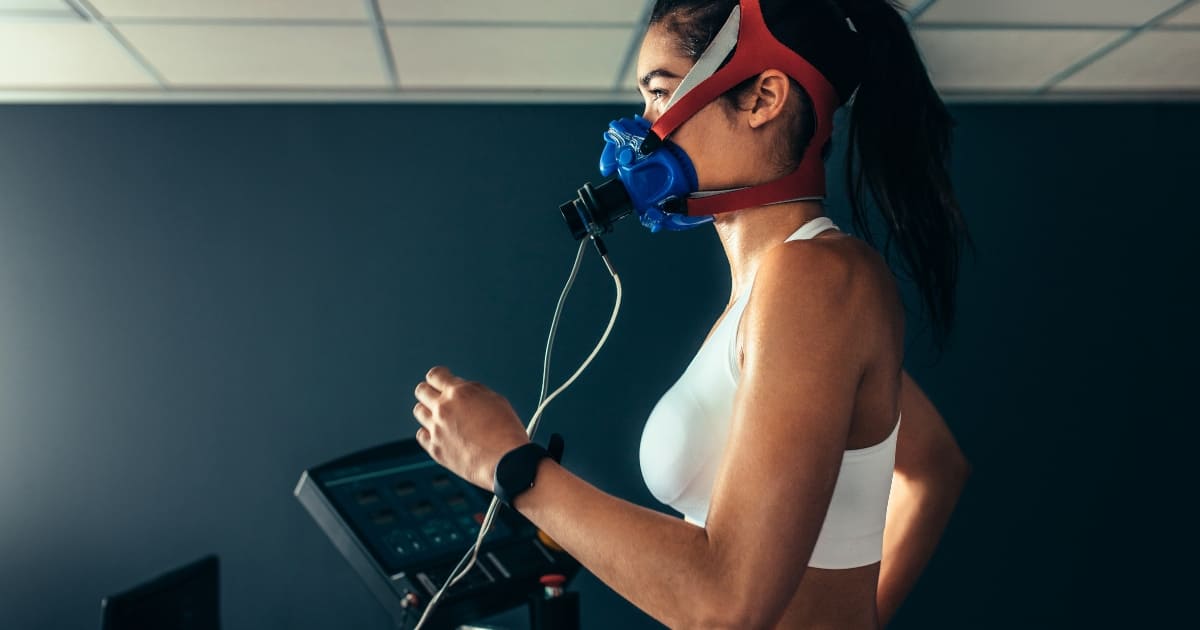
- High VO₂ Max, meaning the body can take in and use oxygen well during intense exercise
- High (Endurance) ability to exercise continuously for a long time
- Low body fat percentage
In addition, it was found that peak fatigue in HYROX racers often occurs toward the end of the competition.
Get Fit Before Competing in HYROX
Training before a HYROX competition should build endurance and strength at the same time, known as Concurrent Training (Concurrent Training). It primarily focuses on endurance (Endurance) to help the body exercise longer, last longer, and become more resilient; improve the heart’s ability to pump blood; and increase the body’s energy production. It should also include running training and HIIT (High – Intensity Interval Training), which emphasizes high intensity for short periods alternating with rest or light exercise, because the heart of HYROX is competing to overcome your own performance and limits.

Why Recovery Is Important
After finishing a sporting event—whether you are an athlete or someone who enjoys exercising—recovery (Recovery) is extremely important. It is the process of repairing and restoring the body after heavy use. It helps repair and strengthen muscles, restore the nervous system, improve heart function, reduce the risk of chronic injury, and make the next training session, workout, or competition more effective.
Drink Water Often
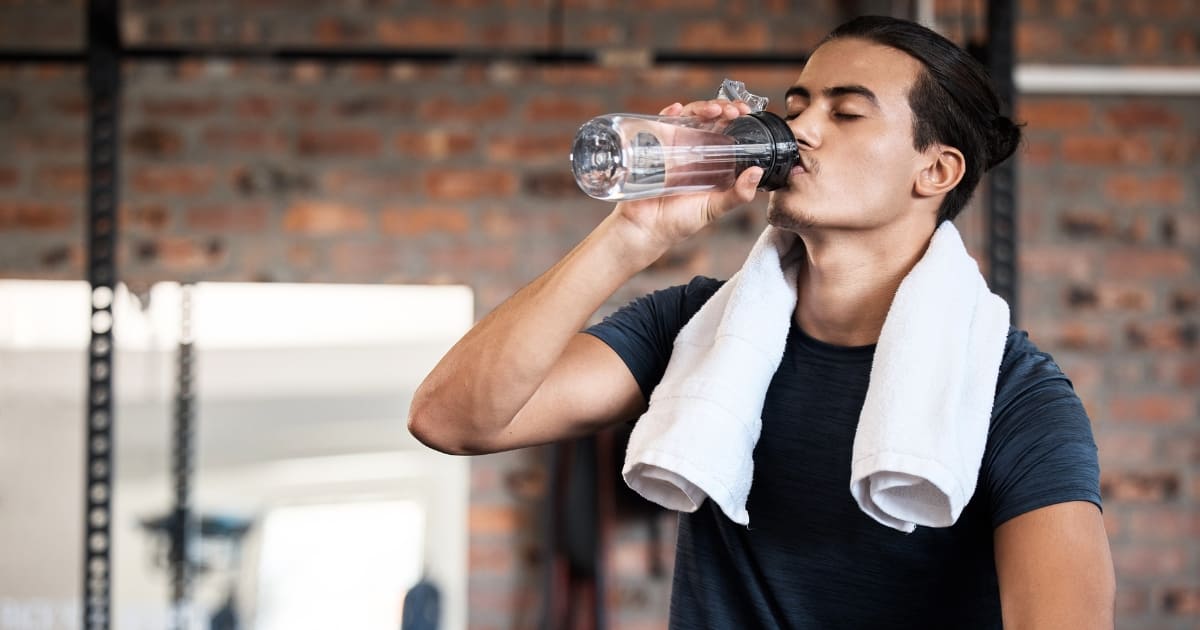
Drinking water is important at all times—especially after a competition, when the body loses a lot of fluid. Drinking water often helps replace lost sweat, naturally eliminate waste, and support proper muscle function. You may prepare a muscle recovery drink to sip frequently to help prevent fatigue or dizziness. Do not let your body become dehydrated.
ACTIVE RECOVERY Recover After Heavy Physical Exertion
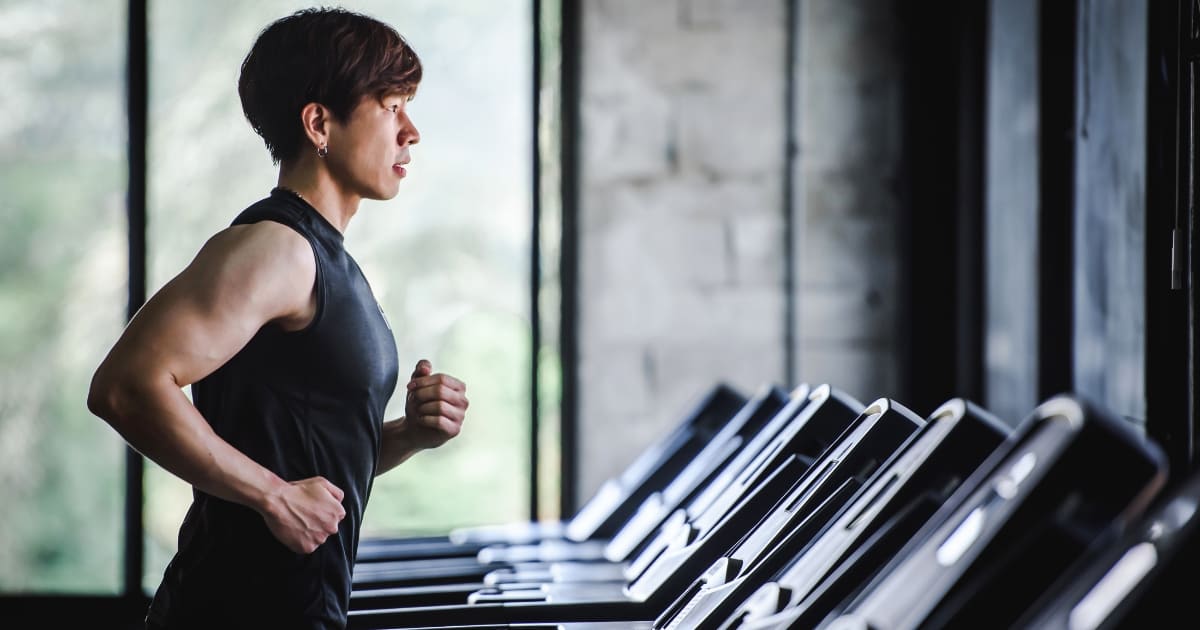
After intense exercise, Active Recovery is low-intensity exercise with gentle movement to stimulate the body’s natural repair process, speed recovery, reduce muscle soreness, reduce injury risk, and improve overall fitness, such as walking, cycling, yoga, and swimming. It helps stimulate blood circulation and reduce the accumulation of substances from the metabolic process (Metabolite Accumulation), with key related factors including:
- Hydrogen ions (H⁺) make the muscle environment acidic, causing a burning sensation during exercise
- Inorganic Phosphate results from energy use and interferes with muscle contraction mechanisms
- Micro Trauma or microscopic tears at the muscle-fiber level, which are a major cause of soreness the next day
Therefore, after intense exercise, you should not stay still or remain sedentary; you should do light activity instead.

Stretch to Restore Muscles
Stretching is very important because it helps reduce the risk of tightness and injury. Emphasize the lower-body muscles in particular, such as the front thighs (Quadriceps), back thighs (Hamstrings) , calves (Calves) , and hips (Hip Flexors) . The next day, it is recommended to do Foam Rolling, massaging muscles with a high-density foam roller to reduce tightness and relieve acute muscle soreness.

Pay Attention to Post-Competition Nutrition
Within 1 hour after a HYROX competition, you should eat foods that include carbohydrates, protein, and healthy fats, such as a banana with peanut butter, a protein shake with fruit, omega-3 (Omega-3) foods such as salmon, and antioxidants such as berries, to help restore the body, repair muscles, replenish energy, and reduce inflammation.
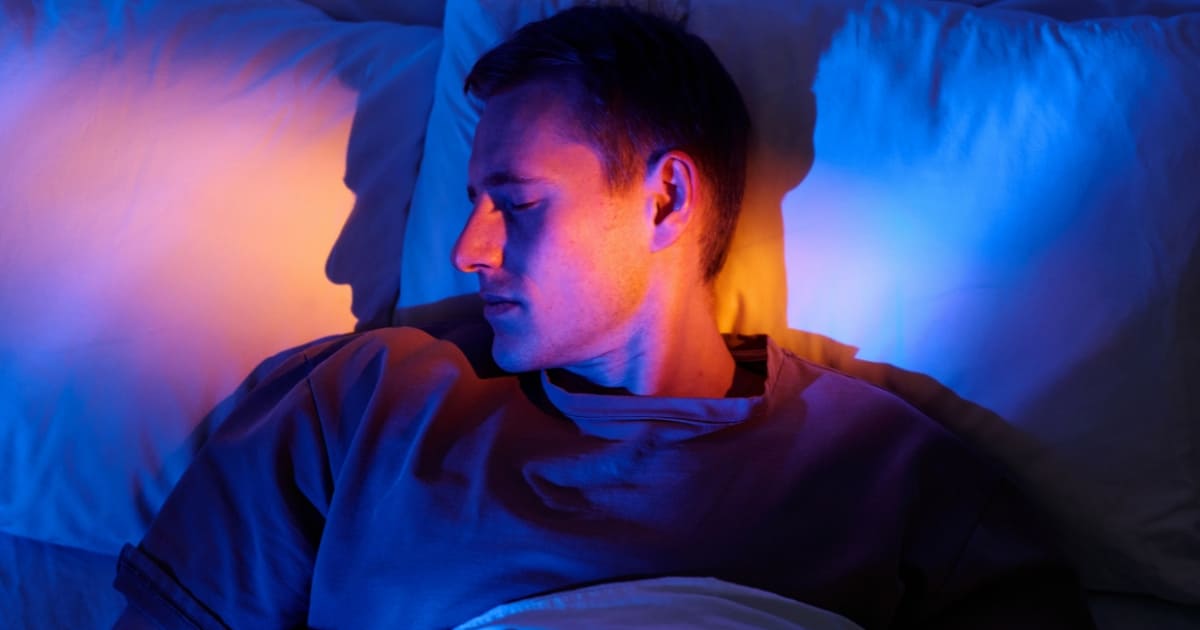
Quality Sleep: The Heart of Recovery
Quality sleep allows the body to fully repair itself, especially after heavy physical exertion from a sporting competition. You should sleep 7 – 9 hours per night and avoid staying up late.
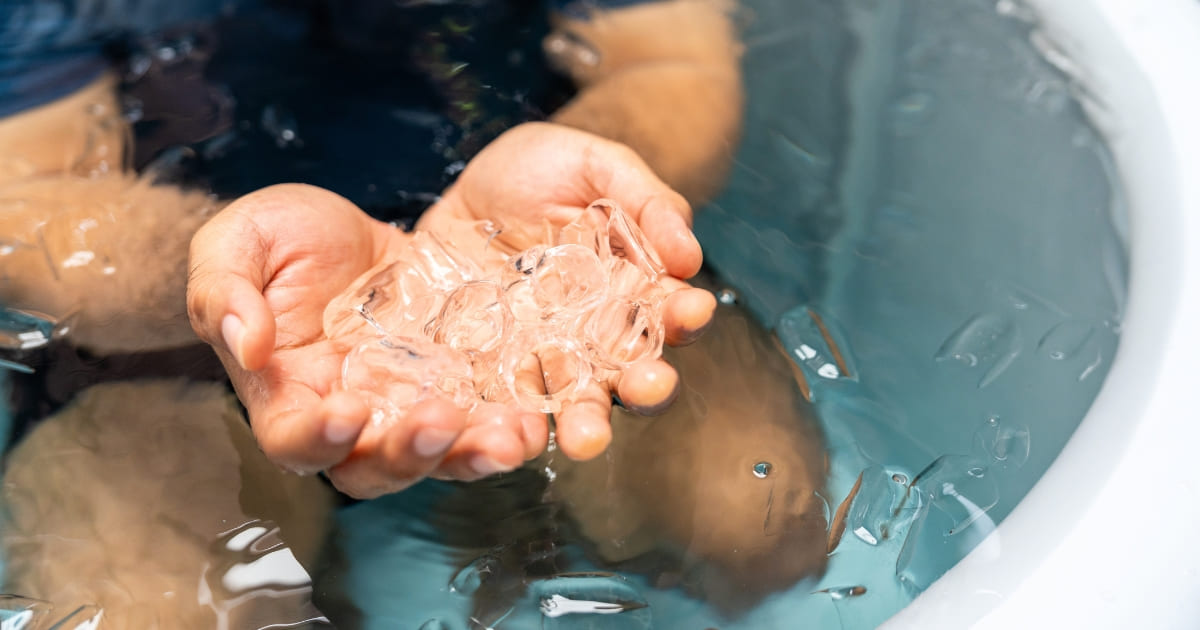
ICE BATHING Cold Therapy for the Body
The science of cold therapy such as ICE BATHING helps the body recover well after a HYROX competition. Simply soak in cold water for no more than 15 minutes to help reduce pain, inflammation and fatigue, while also increasing oxygen delivery to cells throughout the body.
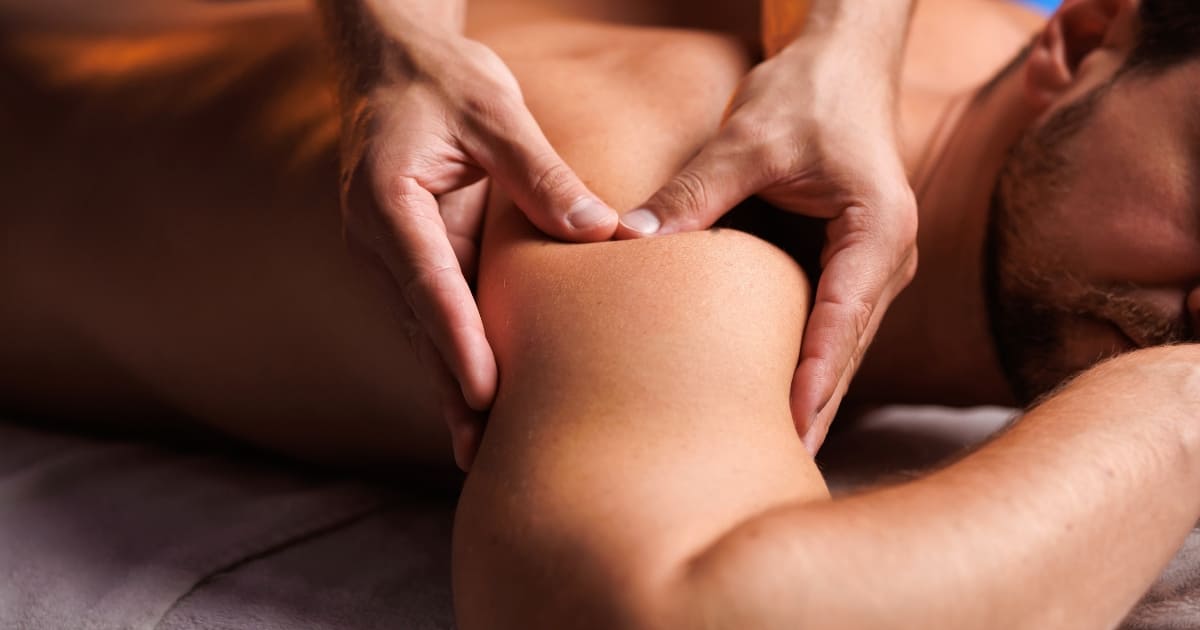
Therapeutic Medical Massage for Muscle Care
Therapeutic medical massage (Therapeutic Medical Massage) uses the fundamentals of Sport Massage, specially designed to address muscle and soft-tissue issues, such as releasing trigger points, reducing adhesions of fascia, increasing blood circulation, relieving tight muscles, and more. It helps accelerate muscle recovery and relieve conditions.
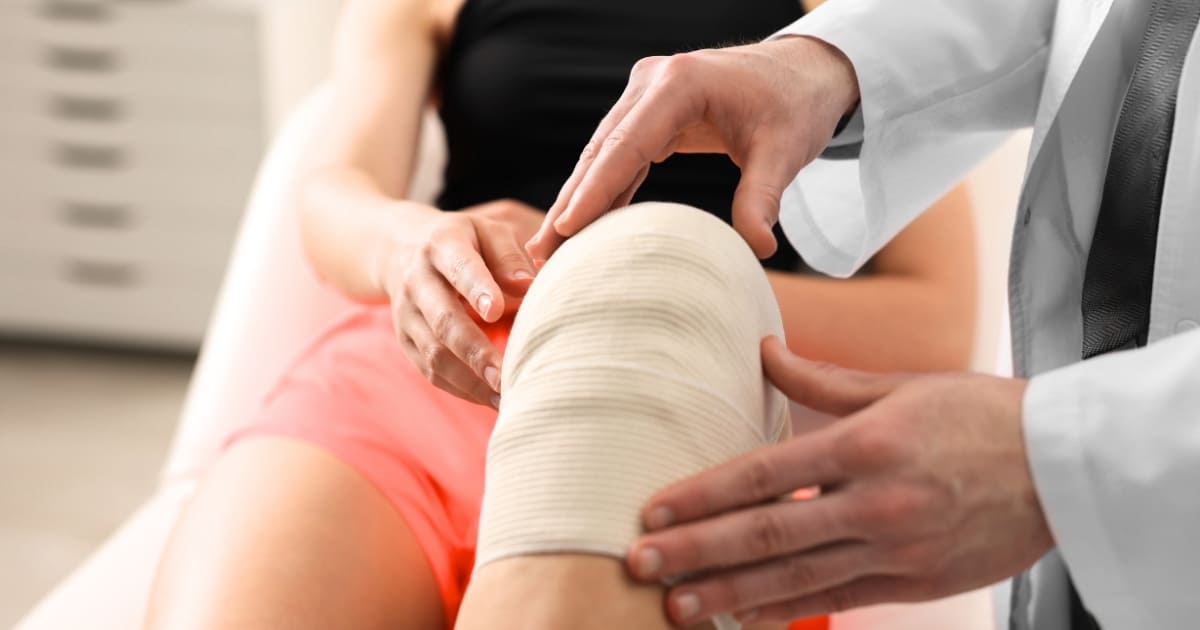
If Injured, Consult a Specialist
If you have an injury after a HYROX competition, you should consult a sports and exercise medicine physician who is skilled and highly experienced in treating sports injuries to restore physical performance back to strength and recover quickly.
Recovery after a HYROX competition is just as important as training before the race. You should rest to restore muscle strength, reduce the risk of injury, and return to movement with confidence. If you are injured, you should see a doctor immediately. In addition, you can measure your fitness by checking VO2 max to plan higher-quality exercise in the future.
A Hospital Specialized in Sports Injury Care
The Sports and Exercise Medicine Institute of Bangkok Hospital, or BASEM, is ready to care for all sports injuries and provide muscle recovery care to international standards, with a multidisciplinary team of specialist physicians and sports medicine experts to help you get fit and strong again.
Physician Specialized in Sports Injury Care
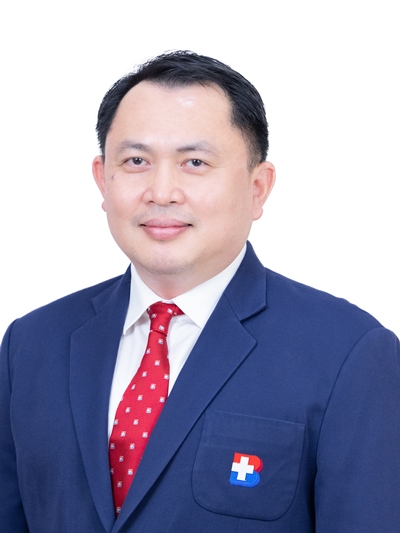
Dr. Pichet Yiemsiri Rehabilitation medicine specialist, Sports and Exercise Medicine Institute (BASEM), Bangkok Hospital
You can click here to make an appointment yourself.
Reference: Brandt et al., Frontiers in Physiology, 2025