

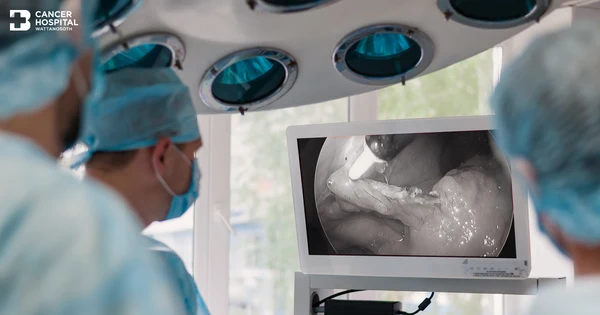
Video Assisted Thoracic Surgery Lobectomy – The New Surgical Technique for Lung Cancer
Lung cancer is the leading cause of cancer related deaths in Thailand. Lung cancer typically does not cause signs and symptoms in its earliest stages. Signs and symptoms of lung cancer typically occur only when the disease is advanced.

Coronary Artery Calcium Scan: Detect Heart Disease Risk Early
Coronary Artery Calcium Scan (CAC) is an imaging test used to detect the atherosclerotic plaque that forms on the artery walls of the heart. This plaque is made up of calcium, fats, cholesterol and other substances. Over time, plaque buildup hardens and narrows the arteries, resulting in limited blood flow to the heart and other parts of the body. This plaque can burst, triggering a blood clot and causing life-threatening events such as heart attack.

Translated by AI
MIS TOTAL BODY Aneurysm with Surgery
Aortic aneurysm surgery has 2 types: open surgery, and Endovascular Aortic Aneurysm Repair (EVAR), which involves the insertion of a stent graft via a catheter. The long-term outcomes of EVAR are equivalent to those of open surgery. Importantly, minimally invasive surgery allows patients to recover more quickly and has a lower mortality rate.

World Heart Day 2019
"Be A Heart Hero ... Make A Heart Promise”
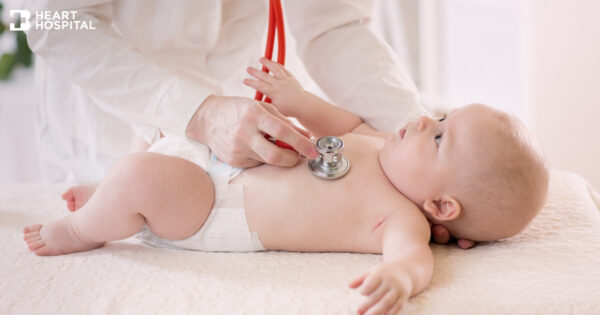
Congenital Heart Disease
Congenital heart disease is defined as a heart problem that occurs as the baby's heart is developing during pregnancy, before the baby is born. In fact, congenital heart defects are the most common birth defects. The incidence accounts approximately for 0.8 – 1% of newborns. It is commonly found in female children, rather than male ones with the ratio 3:1.

Heart Failure Is More Common Than You Think
Heart failure is a life-threatening condition that occurs when the cardiac muscle is weakened and can no longer meet the demands of the other organs in the body. Heart failure is a serious condition, and there is usually no cure. However, with the right treatment, the patient can still lead an enjoyable, meaningful, and productive life.

Introducing New Treatment for Life-threatening Aortic Aneurysm
Learn about life-threatening aortic aneurysms, their symptoms, and advanced treatment options like minimally invasive endovascular repair.

FUEL your heart: “How your heart works?”
The human heart is made up of muscles which are responsible for pumping blood throughout the body. In a single day the heart averages a 100,000 beats and pumps approximately 8,000 liters of blood.

Translated by AI
Complex PCI: A complex coronary angioplasty procedure
Currently, coronary artery disease is considered a condition that is increasingly common. Treatment includes percutaneous coronary intervention (PCI) or coronary artery bypass surgery (Bypass). The advantage of treatment via catheter-based intervention is that the recovery period after the procedure is faster than surgery.

IRREGULAR HEARTBEATS OR CARDIAC ARRHYTHMIA
The most common irregular heartbeats is caused by a conditon known as atrial filbrillation. This is when the heart’s upper chambers (the atria) beat chaotically. Patients with this condition are 10 – 15% at risk of stroke annually, as the irregular heartbeats can cause blood clots to form in the heart.

Women should not overlook cardiovascular disease.
Current researches have indicated that the most common health-related problems in women do not only include cervical cancer and breast cancer, but cardiovascular disease.

Translated by AI
Little Hearts Need to be Cautious of COVID-19 and Kawasaki Disease
Amid the COVID-19 pandemic that has spread across the globe, a link has been discovered between a disease with symptoms similar to Kawasaki's and COVID-19, which has resulted in the death of children due to complications.