
The most common irregular heartbeats is caused by a conditon known as atrial filbrillation. This is when the heart’s upper chambers (the atria) beat chaotically. Patients with this condition are 10 – 15% at risk of stroke annually, as the irregular heartbeats can cause blood clots to form in the heart. The clots can then break loose and travel to cerebreal artery in the brain. The resulted blockage can lead to heart failure which can be fatal, especially when combined with diabetic conditions. So, it is clear that, in the long-term, if there is any additional affliction to cardiac arrhythmia, it will become difficult to treat the patients and return them to their normal good health again.
Cardiac Arrhythmia
A normal heart beats is about 60 – 100 times / minute. Cardiac arrhythmia means the heart beats either faster or slower than usual. It occurs when the electrical signals that coordinate the beats do not work properly causing the heart to beat irregularly. This condition is found in many types of heart disease both through pathology-confirmed (e.g., valvular heart disease, cardiomyopathy, or coronary artery blockage, etc.) and non pathology-confirmed diagnoses (e.g., mulfunctioning of the heart’s electrical signals).
Cardiac Arrhythmia Symptoms
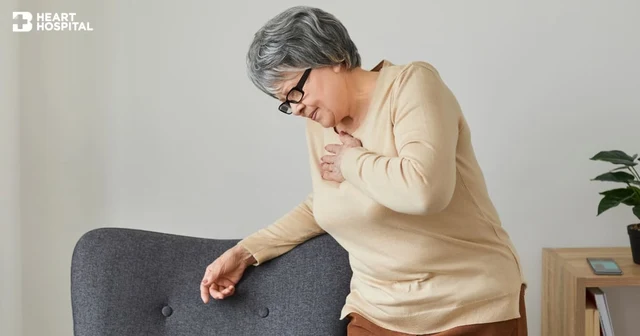
Patients who are suffering from cardiac arrhythmia may experience anxiety, blackouts, chest pain, tiredness, fatigue, fainting and become unconscious, or heart attack. It depends on the acuteness and duration of the symptoms, as well as the patient’s heart condition. When it occurs, the patient may become too worried or scared to follow the regular daily routine. Frequently, patients with these symptoms are advised that their conditions are caused by stress and are, therefore, given only medication to help them relax or sleep. However, when the symptoms have not subsided after lengthy treatments, the patients feel the symptoms are incurable; and the patients will feel dejected and discouraged. Fortunately, today there are advances in medical diagnoses and many better types of treatments are available for cardiac arrhythmia.
Cardiac Arrhythmia Diagnosis
To determine the type of cardiac arrhythmia and whether there is any other heart condition present, the doctor usually checks the heart’s electrical signals or uses electrocardiogram to record the heart’s electrical signals for 24 hours, or monitors as the patient walks on a treadmill (in the case where the patient feels irregular heartbeats during exercises), or remotely follows up the patient’s heart electrical signals, or uses cardioversion to retore normal heart rhythm.
Nowadays, cardioversion is performed on patients whom the doctor suspect may be suffering from abnormality in the upper and lower heart chambers, or from tachycardia. It is also used in cases where the patient has been successfully resustitated, or the patient suffers from unexplainable frequent fainting spells.
Avoid Cardiac Arrhythmia Risks
The following causes of tachycardia (fast heartbeats) that should be avoided:
- Stress
- Anxiety
- Overly eagerness
- Insufficient rest
- Over-exercise
- Cigarette smoking
- Tea, coffee, energy drinks, carbonated drinks with caffeine, alcoholic beverages
- Taking or injecting medication that stimulates the heart
Treaments for Cardiac Arrhythmia
Cardiac Arrhythmia or irregular heartbeats may be treated through the following methods:
Medication
The doctor may prescribe only medication for the treatment, starting with stress relief medicine. The doctor may also include medication that will help regulate or stimulate the heartbeats.
Radiofrequency Catheter Ablation
This method is very effective (80 – 95%) for tachycardia condition. In this procedure, the doctor inserts catheters with electrodes to the heart to stimulate and locate the area that is causing the abnormal heart rhythm. Once the location has been identified, the doctor will use mild radiofrequency heat energy to destroy the problem area; such that the abnormal electrical signals that created the arrhythmia can no longer be sent to the rest of the heart.
The danger of this procedure is very minimal, as very low electrical current is used – about 40 – 60 volts. This current is turned into heat at about 55 – 60 C when applied to the heart tissue. The current will not affect the heart muscle or nerves. The patient may feel only some slight chest pain, so it is not nessary to use general anesthetic.
Special Medical Implant
For tachycardia, when it is caused by the heart’s lower chambers beating too fast that leads to low bloood pressure or no pulse, or by different alternating heartbeats, or by fast beating lower chambers but regulat beats upper ones in rapid successions, the condition can be fatal to the patient. So, the doctor will recommend implantable cardioverter-defibrillator to reset the heart to a normal rhythm, along with medication to prevent the irregular heartbeat.
For bradycardia, where the heart beats slower than normal, the doctor will implant a pacemaker to stimulate the heart. There are 2 types of pacemaker – to stimulate one chamber or 2 chambers – and will depend on the patient’s condition.
Among patients suffering from cardiac arrhythmia, some may not be aware of it as there is no obvious symptom. So they do not recognize the seriousness of the condition and the probable complications that can arise because of it. This can lead to difficulties in the patients’ as well as their families’ lives – from stroke and paralysis, to even death