About Cancer

7 minute(s) read
About Cancer
Bangkok Cancer Hospital
Table of contents
  • Most common types of cancer
  • Cancer Symbols
  • Understanding Cancer
  • Carcinogenesis
  • Causes of Cancer
  • Symptoms
  • Diagnosing Cancer
  • Stages of Cancer
  • Cancer Treatment
  • Cancer Screening
  • Cancer Prevention
  • Seven Deadly Signs
  • See All

  • โรคมะเร็งที่พบบ่อย

    Most common types of cancer

    Most common types of cancer in men

    Most common types of cancer in women

    Most common types of childhood cancers

    Cancer Symbols

    “Crab” is the sing of cancer. The word cancer comes from the Greek word Carcinos, which means crab. This is because the cancer can spread out from the original mass just like the legs on crabs that stretched out from their body. The first person to use this term was Hippocrates, the father of Western medicines.

    รู้จักโรคมะเร็ง

    Understanding Cancer

    Cancer is a condition that arises from abnormal cells in our body that can go rogue and grow uncontrollably. These calls will continue to divide and spread to other organs causing the normal tissues/organs, such as lungs, liver, brain, kidney, bones, and bone marrow, to fail to do their job, leading inevitably to death.


    What Is a Tumor?

    A tumor is a group of cells grow faster than other normal cells, causing a mass. They can be classified into two types: benign and malignant tumors.


    Benign Tumor

    Benign tumors are masses that grow slowly, but do not invade nearby tissues or organs. They may push against nearby organs, but will not spread to the lymph nodes or through bloodstream and lymphatic system. They can be treated by surgery.


    Cancer vs Tumor

    Malignant tumor or cancer differ from benign tumor because they will grow faster and interrupt the functions of nearby organs. Cancer can spread through the lymphatic system and bloodstream and can be found in the lymph nodes and other organs throughout the body. They tend to metastasize to the lungs, liver, brain, bone, and bone marrow. Thus, cancer is a chronic, aggressive condition. Treatment is also complicated and needs to be continuous.

    Carcinogenesis

    Once the body is exposed to carcinogens, such as chemicals, viruses, or radiations, changes occur at the cellular level and eventually, a normal cell will turn malignant. If the immune system cannot destroy the cells, they will continue to divide rapidly and form a mass.

    Causes of Cancer

    Currently, several known factors that contribute to cancer are:

    1. Environmental factors:

    1. Certain chemicals, such as
      • Cigarette smoke and car exhaust fumes
      • Toxins from fungi
      • Acrylamide from burnt food, smoked food, barbeques, or deep fried
      • Textile dye
      • Chemicals used in industrial processes 
    2. Radiation including ultraviolet rays from the sun
    3. Chronic infection, such as
      • Hepatitis B virus is linked to liver cancer.
      • Human Papilloma Virus or HPV may be linked to cancer of the tissue lining, such as cervical cancer.
      • Epstein Barr Virus or EBV is correlated with lymphomas or nasal cancer.
      • Helicobacter pylori or H. pylori is correlated with stomach cancer.
    4. Parasites such as liver fluke which is linked to cholangiocarcinoma.

    2. Internal Factors

    • Genetic mutation
    • Hormonal imbalance
    • Immunodeficiency
    • Chronic irritation
    • Malnutrition

    Suspicious Symptoms of Cancer

    There is no specific symptom, but it may seem like inflammation of a certain tissue or organ. The only difference is that it gets worse or becomes chronic. If any symptom persists for more than 1 – 2 weeks, it is best to visit a doctor. Some suspicious symptoms include:

    • Fast growing mass or chronic wound that will not heal within 1 – 2 weeks after primary self-care
    • Enlarged palpable lymph node(s) that are hard, but does not hurt, yet continues to grow.
    • A wart that grows faster than normal or oozes.
    • Foul smelling breath that did not exist before.
    • Chronic nosebleed from the same nostril (sometimes both nostrils can occur)
    • Chronic coughs or bloody coughs.
    • Frequent bloody saliva or phlegm.

    Cancer Symptoms

    • Vomiting blood
    • Bloody urine
    • Frequent urination, difficulty urinating, or leaky urination
    • Bloody feces or feces with mucous
    • Intermittent diarrhea and constipation
    • Irregular vaginal bleeding, irregular menstruation, or vaginal bleeding after menopause, or after sex
    • Excessive bloating or flatulence
    • Low-grade fever with no known cause
    • High-grade fever with no known cause
    • Extreme weight loss within 6 months or 10% decrease in body weight
    • Frequent bruise or petechiae that looks like under skin bleeding
    • Extreme chronic headaches or weaknesses in the limbs or seizures
    • Chronic back pain that gets worse which can be in conjunction with extreme weaknesses in the limbs

    การวินิจฉัยมะเร็ง

    Diagnosing Cancer

    There are several ways to diagnose cancer:

    • Physical exam, either self-exam or by a physician
    • Clinical lab tests, such as blood, urine, feces, and phlegm
    •  Biopsy of suspicious tissue
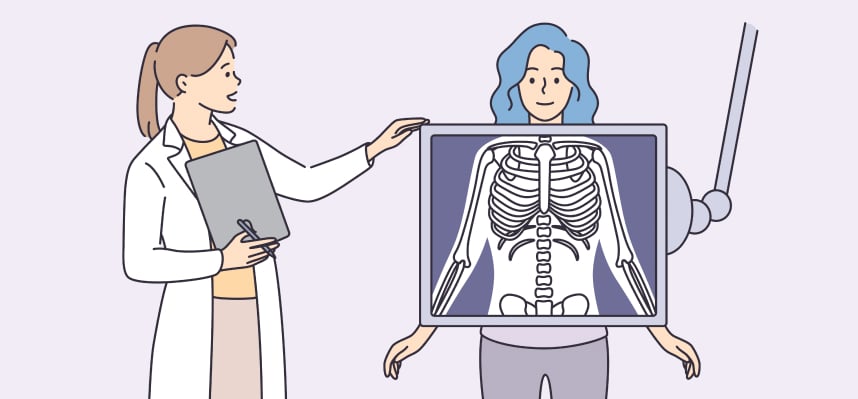
    • Radiological diagnosis, such as X-ray computer, organ-specific X-ray, and nuclear medicine
    • Endoscopy for specific organ, such as colon, anus, stomach and esophagus
    • Other special methods

    Stages of Cancer

    Stages of cancer is an indicator of the severity of the situation (whether it has spread or not). It can help determine treament options and doctors can use staging to study cancer.

    Typically, there are four stages of cancer. In some cases, they may be subdivided into A, B, C, or 1, 2, 3 so that the oncologist can assess treatment options. As for 0 stage, it is not considered a real cancer because the cells seem cancerous, but they have not yet invaded nearby tissues.

    • Stage 1: the mass is still small and has not spread yet.
    • Stage 2: the mass is bigger and shows signs of infiltrating nearby tissue or organ.
    • Stage 3: the mass is larger and has infiltrated nearby tissue or organ and is found in nearby lymph node.
    • Stage 4: the mass is very large and/or has invaded nearby tissue or organ and/or lymph nodes and/or found in several lymph nodes and/or found in the bloodstream and/or lymphatic systems or cancer has been detected in other distant organs, such as lungs, liver, brain, bone, bone marrow, pancreas, abdominal lymph nodes, chest cavities, and/or clavicle lymph nodes.

    รักษามะเร็ง

    Cancer Treatment

    The sooner the cancer has been detected, the better the treatment outcome will be. Some treatment options are:

    1. Surgery to remove the mass.
    2. Radiation therapy with high dose radiation to kill the cancer cells.
    3. Chemotherapy to kill the cancer cells.
    4. Hormonal therapy to control or stop cancer cell growth.
    5. Combination therapy of more than one of the above-mentioned treatment options, which is dependent on the stage and the course of disease.

    Whether a patient will receive single type of therapy or combination therapy depends on:

    • Cancer stage
    • Type of cancer cells
    • Affected organ
    • Whether it can be removed by surgery or not or if complete resection cannot be done
    • Histological diagnosis after surgery
    • Age
    • Overall health of the patient

    Whether cancer can be cured or not depends on

    • Cancer stage
    • Type of cancer cells
    • Whether it can be removed by surgery or not or if complete resection cannot be done
    • Responsiveness to radiation, chemotherapy, and/or targeted therapy
    • Age
    • Overall health of the patient

    Estimated 5-year survival rate (chance of a cure) after treatment are:

    Cancer Stage

    %

    Stage 0

    90 – 95%

    Stage 1

    70 – 90%

    Stage 2

    70 – 80%

    Stage 3

    20 – 60%

    Stage 4

    0 – 15%


    Alternatives

    Most causes of cancer are unknown, but the cause of certain types of cancer can be inferred and thus can be avoided. Thus, everyone should perform self-examination regularly or if you notice any irregularity, please consult a doctor immediately.

    Cancer Screening

    Cancer screening can help find cancer from when symptoms have not yet appeared (mostly during stage 0 or stage 1). Since there is a higher chance of a cure for these two stages, it is quite effective since treatment can begin immediately. Afterwards, the survival rate will be higher or inversely, the death rate from cancer will be lower.

    Cancer Prevention

    The best prevention is to avoid risks. Most importantly,

    • Eat all 5 food groups everyday in the right amount so that you keep your BMI in the right range. Limit red meat, carbohydrates, sugar, fat, and salt. Eat more vegetables and fruits.
    • Exercise regularly.
    • Get an annual cancer screening test or health checkup.
    • Avoid carcinogens.

    Seven Deadly Signs

    If you experience any of these symptoms, please consult your physician immediately:

    1. Abnormal bleeding or discharge, such as excessive vaginal discharge.
    2. A mass or bump any place on your body that grows faster than normal.
    3. Chronic wound that will not heal.
    4. Irregular bowel movement or urination that has changed from before.
    5. Chronic cough or hoarseness.
    6. Difficulty eating, lack of appetite, weight loss.
    7. A wart, mole, or discoloration that grows faster than normal.

    Information by

    Doctor Image

    Dr. Thiravud Khuhaprema

    Surgery

    Surgical Oncology

    Dr. Thiravud Khuhaprema

    Surgery

    Surgical Oncology
    Doctor profileDoctor profile