
Cancer treatment today has advanced greatly, supported by medical technology and modern treatment innovations making it possible to choosetreatment approachesthat are appropriate for each individual patient withprecision—whether surgery, radiation therapy, chemotherapy, targeted therapy, or immunotherapy. Understanding the options and treatment steps helps patients and families prepare, participate in treatment planning, and increase the chances of cure, disease control, and good long-term quality of life.
What are the steps in cancer treatment and what does the process involve
The cancer treatment process requires a detailed assessment by a multidisciplinary team of specialist physicians. The main steps are as follows:
- Diagnosis and staging assessment: This begins with history taking, physical examination, blood tests, and medical imaging such as CT scans to assess the size and location of the tumor.
- Pathology and genetic testing: A biopsy is performed to identify the type of cancer cells. In some cases, genetic testing may be done to detect gene abnormalities, which helps doctors plantreatmentwith precision.
- Multidisciplinary treatment planning: A medical team consisting of surgeons, radiation oncologists, and medical oncologists will meet to consider and select the most appropriate approach based on the patient’s physical condition and stage of disease.
- Treatment implementation and ongoing care: Treatment proceeds according to the established plan, with monitoring for side effects and physical therapy to support recovery.
- Treatment follow-up: After completing treatment, the doctor will schedule regular follow-ups to assess response and keep the disease under control in remission.
8 current cancer treatment methods, with advantages–considerations
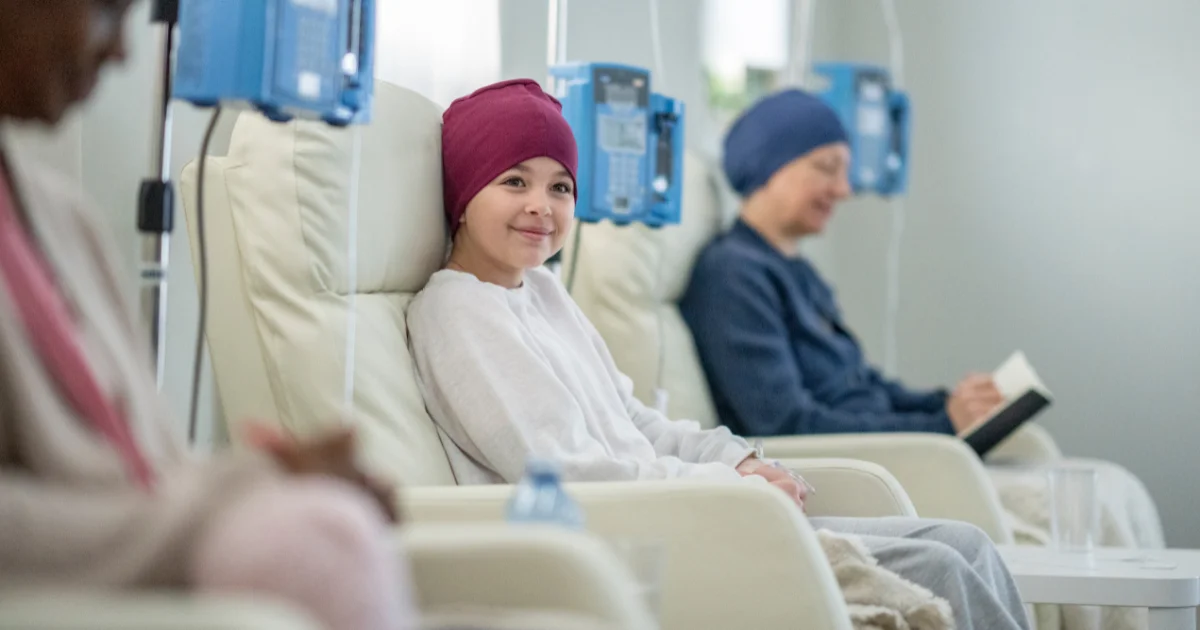
Currently, there are many options for cancer treatment. Doctors may consider using a single method or a combination of several methods, as detailed below:
1. Surgical treatment
Surgery is acancer treatment methodaimed at addressing a localized tumor. It is suitable for early-stage cancer patients whose tumor has not yet spread. The doctor will surgically remove the tumor along with surrounding tissue to achieve adequate margins. Today, surgical technology has been developed to reduce impact on the body, including standard open surgery and minimally invasive techniques such as laparoscopy, as well as robot-assisted surgery, which improves precision in reaching complex areas and reduces injury to adjacent organs.
Advantages of surgical treatment
- Helps remove large tumors from the body with precision.
- If minimally invasive (laparoscopic) techniques are used, incisions are smaller and pain is reduced.
- Helps rapidly reduce the amount of cancer cells in the body.
Considerations
- The body needs time to recover after surgery.
- There may be an impact on the function of the organ in the area that is removed.
- Not suitable when cancer has already spread to multiple sites.
2. Radiation therapy (radiotherapy)
Radiation therapy uses high-intensity radiation energy directed at the area where cancer cells are found to damage DNA structure and inhibit growth. It is suitable for early to intermediate-stage cancers, or tumors that are difficult to surgically remove. Current technologies include external beam radiation, intensity-modulated radiation to spare critical organs, and placing radioactive sources close to the tumor (Brachytherapy) which is often used in combination with surgery to destroy any remaining cancer cells.
Advantages of radiation therapy
- A localized treatment that can destroy tumors without making an incision.
- Modern techniques allow radiation to precisely target the tumor, reducing impact on surrounding healthy tissue.
- May be used as an alternative to surgery for patients with health limitations.
Considerations
- Requires repeated hospital visits according to the treatment plan.
- Side effects may occur in the irradiated area, such as dry or red skin, or irritation.
- Some patients may experience cumulative fatigue during treatment.
3. Chemotherapy (chemo)
Chemotherapy is a systemic treatment in which the drugs inhibit cancer cell division and growth. It can be administered intravenously or as oral medication. Chemotherapy is used at many stages of disease: to increase the chance of cure, shrink tumors before surgery or radiation therapy, reduce the risk of recurrence after treatment, and control disease and relieve symptoms in metastatic cancer patients.Advantages of chemotherapy
- Acts throughout the body, helping eliminate cancer cells that may have spread to different parts of the body.
- Can be combined with surgery, radiation therapy, or other treatments to enhance effectiveness.
- Helps increase the chance of cure and helps control disease or relieve symptoms in advanced cancer patients.
Considerations
- The drugs also affect normal rapidly dividing cells, such as hair follicles and gastrointestinal lining cells.
- This can cause side effects such as hair loss, nausea, vomiting, and loss of appetite.
- It may reduce white blood cell counts, increasing susceptibility to infection.
Although chemotherapy may cause side effects such as nausea, vomiting, hair loss, or low blood counts, today anti-nausea medications, drugs that stimulate blood cell production, and supportive care are used, allowing most patients to receive treatment safely, effectively, and with good quality of life throughout treatment.
4. Targeted therapy (Targeted Therapy)
Targeted therapy is a treatment innovation designed to act specifically on gene or protein abnormalities that drive cancer cell growth. The drugs inhibit signals that cause cancer cells to divide and grow, resulting in cancer cells stopping growth or being destroyed. Targeted therapy can be used in both early-stage and metastatic cancers, depending on the cancer type and the results of biomolecular or genetic testing of the cancer cells. Before starting treatment, patients therefore often need a biopsy and testing for relevant gene or protein abnormalities (Biomarkers) to help the doctor select the most appropriate and effective medication for each patient.
Advantages of targeted therapy
- Acts directly on cancer cells, with less impact on normal cells than chemotherapy.
- Effective in disease control when the genetic test results match the drug used.
- Often available as oral medication, making home self-care more convenient.
Considerations
- Effective only in patients whose genetic abnormalities match the drug target.
- After a period of treatment, cancer cells may adapt and lead to drug resistance.
- There may be drug-class-specific side effects such as skin rash, diarrhea, or increased blood pressure.
5. Immunotherapy (Immunotherapy)
Immunotherapy uses drugs or immune cells to stimulate or enhance the performance of the body’s immune system so it can recognize and eliminate cancer cells more effectively. Currently, immunotherapy comes in several forms, with the most commonly used being Immune Checkpoint Inhibitors and immune cell therapy such as CAR T-cell therapy, which have different mechanisms and indications.
Immune Checkpoint Inhibitors can be used to treat many cancer types, both early-stage and metastatic. They may be used alone or in combination with surgery, chemotherapy, radiation therapy, or targeted therapy to increase the chance of cure, reduce the risk of recurrence, or control the disease, depending on cancer type and treatment guidelines.
CAR T-cell Therapy (Chimeric Antigen Receptor T-cell Therapy) is a form of immunotherapy in which the patient’s T lymphocytes (T cells) are genetically modified to specifically recognize and destroy cancer cells before being infused back into the body. It is currently used to treat certain relapsed or refractory blood cancers, such as some lymphomas, acute leukemia, and multiple myeloma (Multiple Myeloma), with treatment determined by disease type and approved indications.
Advantages of immunotherapy
- Stimulates or enhances the immune system to eliminate cancer cells more specifically.
- In some patients who respond, the disease may be controlled for a long period.
- CAR T-cell is an important option for some blood cancer patients who are resistant to standard treatment.
Considerations
- Not usable for all cancer types; assessment by specialist physicians is required.
- Immune Checkpoint Inhibitors may cause side effects from an overactive immune system, such as inflammation of the lungs, intestines, liver, endocrine glands, or other organs.
- CAR T-cell Therapy may cause significant side effects such as Cytokine Release Syndrome (CRS) or neurologic effects, requiring close monitoring.
- CAR T-cell is a complex treatment, requires time to prepare the cells, and is expensive.
6. Hormone therapy
Some cancers rely on hormones in the body as fuel for growth, such as breast cancer and prostate cancer. This treatment uses medications to reduce hormone production or block cancer cells from using hormones. It is suitable for patients whose cancer cells are found to be hormone-responsive, and is often used as ongoing therapy after surgery.
Advantages of hormone therapy
- Easy-to-take medication and convenient for daily life.
- Helps reduce the risk of recurrence effectively in hormone-responsive cancers.
- Less severe side effects than chemotherapy.
Considerations
- Patients must take medication continuously for a long period, around 5 – 10 years.
- May cause menopausal-like symptoms such as hot flashes, mood changes, or vaginal dryness.
- Long-term use may affect bone density, leading to thinning bones.
7. Locoregional cancer therapy (Locoregional Therapy)
Locoregional cancer therapy uses medical techniques and technologies to destroy tumors directly without the need for major surgery. It is suitable for patients with small tumors in locations amenable to localized treatment, or those with health limitations who are not suitable for surgery. This approach is commonly used in liver cancer, including certain cancers that have spread to the liver, lungs, or bones. Examples include radiofrequency ablation (Radiofrequency Ablation; RFA) or microwave ablation (Microwave Ablation; MWA) to generate heat to destroy the tumor, cryoablation (Cryoablation) as well as catheter-based vascular treatments such as chemoembolization (Transarterial Chemoembolization; TACE) and radioembolization (Transarterial Radioembolization; TARE) which help destroy cancer cells from within.Advantages of locoregional cancer therapy
- Small wounds; no major surgery required.
- Short recovery time and a faster return to daily activities.
- An option for patients who are not suitable for major surgery or general anesthesia, including those with multiple comorbidities.
Considerations
– Treatment effectiveness depends on the size, location, and number of tumors.
– Tumors near vital organs or large blood vessels may not be suitable for certain locoregional treatments.
– Some patients may require repeat treatment or combination with other methods to achieve the best outcomes.
8. Hematopoietic stem cell transplantation
Stem cell transplantation (Stem Cell Transplantation) is a treatment that uses blood-forming stem cells to rebuild the blood production system after the patient receives chemotherapy or other high-intensity treatments. It is suitable for certain blood cancers such as leukemia, lymphoma, and multiple myeloma (Multiple Myeloma) with stem cells coming either from the patient or from a genetically compatible donor.
Advantages of hematopoietic stem cell transplantation
- An important approach for controlling complex blood cancers.
- Helps rebuild a new, stronger blood production system and immune system for the patient.
Considerations
- Treatment and recovery take a long time and require advanced physical preparation.
- Patients must stay in a special sterile room to prevent infection while immunity is low.
- When donor cells are used, time is needed to find a donor with a compatible genetic match.
Selecting treatment methods by cancer stage
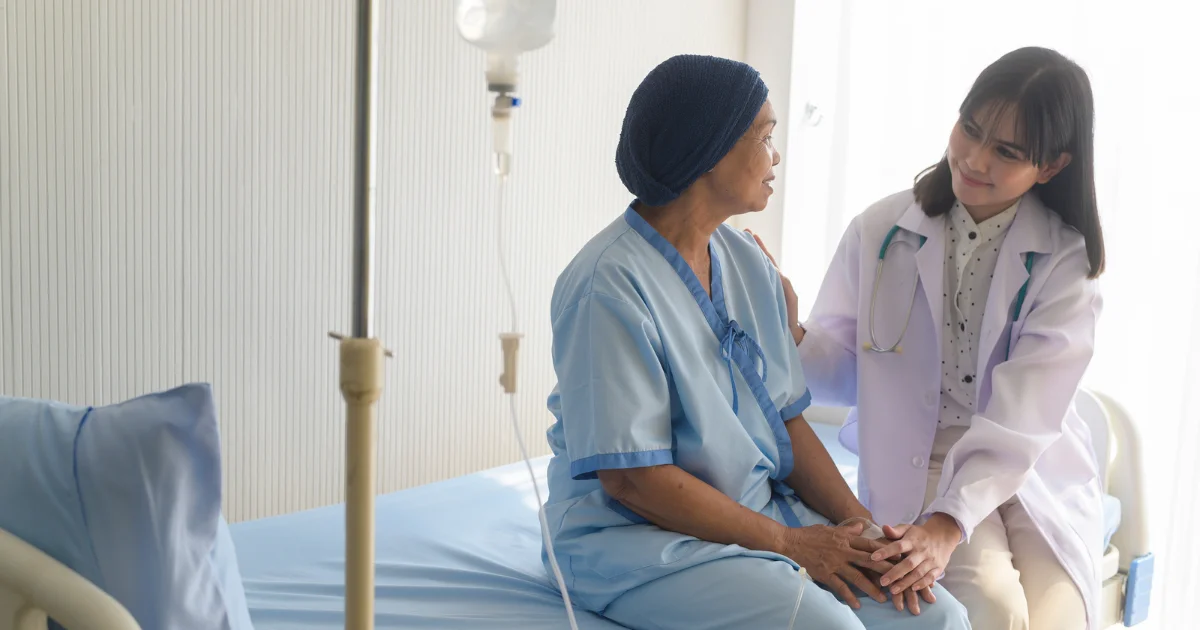
Planning and selectingcancer treatment methodsvaries according to the stage and extent of disease, to achieve outcomes that best match the patient’s condition with precise appropriateness.
- Stage 1 and 2 (early stage): Cancer cells are still small and localized. Treatment typically focuses primarily on surgery and adjuvant therapy (Adjuvant Therapy) may be considered, such as radiation therapy, chemotherapy, hormone therapy, targeted therapy, or immunotherapy, depending on cancer type and risk of recurrence, to increase the chance of cure.
- Stage 3 (locally advanced): Cancer becomes larger and may spread to nearby lymph nodes. Treatment often uses multiple methods together (Multimodal Treatment) which may include surgery, radiation therapy, chemotherapy, targeted therapy, or immunotherapy. The sequence and methods differ depending on cancer type, location, and specialist assessment.
- Stage 4 (metastatic): Cancer has spread to other organs such as the lungs, liver, bones, or brain. Treatment usually focuses on systemic therapy (Systemic Therapy) including chemotherapy, targeted therapy, immunotherapy, hormone therapy, or radiation-based targeted treatment in some patients. The goals are to control disease, relieve symptoms, prolong survival, and maintain good quality of life.
Treatment approaches depend on cancer type, stage, pathology results, genetic testing, and the patient’s overall health. Even with the same cancer type at the same stage, treatment may differ.
Wattanosoth Cancer Hospital is ready to care for you every step of the way
Choosing a qualified medical facility with comprehensive readiness helps build confidence throughout the treatment journey. At Wattanosoth Cancer Hospital, we provide comprehensive multidisciplinary cancer care from screening and diagnosis to treatment planning and rehabilitation.
We drive treatment with modern medical technology, alongside care by a multidisciplinary specialist physician team (Multidisciplinary Team; MDT) including cancer surgeons, medical oncologists, radiation oncologists, radiologists, and pathologists who jointly analyze test results, disease stage, and biomolecular information to plan individualized treatment (Personalized Treatment) tailored to each patient, helping increase treatment effectiveness, reduce the risk of complications, and support long-term quality of life.
Article summary
Technology andcurrent cancer treatment methodshave been developed to provide patients with more diverse options and better match their physical condition. Seeing a specialist for an accurate diagnosis leads to careful planning ofcancer treatment steps, helping determine direction and increasing the chance of controlling the disease into remission. Importantly, encouragement from family and participation in treatment planning help patients maintain physical and mental strength to move steadily through treatment.
Frequently asked questions (FAQ) about cancer treatment approaches
1. Do all cancer patients need chemotherapy
Not necessarily. Each patient receives different treatment depending on cancer type, stage, pathology results, biomolecular test results, and the patient’s condition. Some may be treated with surgery alone, while others may require chemotherapy, radiation therapy, targeted therapy, immunotherapy, or a combination of multiple methods.
2. Can targeted therapy be used for every patient
It cannot be used for every patient. Targeted therapy is effective only in patients who have gene or protein abnormalities (Biomarkers) that are targets of the drug. Therefore, before starting treatment, the doctor may consider a cancer biopsy to analyze gene abnormalities or related biomarkers. If the results show abnormalities that match the drug’s mechanism of action, targeted therapy may then be selected as an appropriate treatment approach for that individual patient.
3. How is robotic cancer surgery (Robotic Surgery) different from laparoscopic and open surgery
Today, there are several methods for cancer surgery, including open surgery (Open Surgery) laparoscopic surgery (Laparoscopic Surgery) and robotic surgery (Robotic Surgery) which is a minimally invasive procedure in which the surgeon controls robotic arms via a computer system. It provides high-definition 3D visualization and precise instrument control, especially in complex or hard-to-reach areas.
Compared with open surgery, robotic and laparoscopic surgery typically result in smaller incisions, less pain, less blood loss, shorter hospital stays, and faster recovery. However, the most suitable surgical method depends on cancer type, tumor location, disease stage, and the specialist surgeon’s assessment.
4. Can patients exercise during cancer treatment
Yes, and it should be done as appropriate for the patient’s condition. Light exercise such as walking, yoga, or stretching can reduce fatigue, help prevent scar tissue tightness, and promote mental relaxation. Patients should consult their doctor before starting activities.
5. Can elderly patients or those with underlying diseases receive cancer treatment
Yes. The multidisciplinary medical team will thoroughly assess physical readiness, the function of various systems, and underlying conditions in order to design an appropriate treatment plan and minimize side effects for elderly patients.
6 Can cancer be cured
Many cancer patients can be cured, especially when diagnosed early and treated appropriately. For locally advanced or metastatic cancers, treatment goals are often to control the disease, reduce symptoms, prolong survival, and maintain good quality of life. However, some metastatic cancers can still be controlled for a long time with modern treatments.