


Anal Canal Cancer - Early Detection. Prompt Screening. Preventable.

Colorectal Cancer (CRC) - Prevention and screening for a better quality of life.

Advanced Surgical Technologies
Advanced Surgical Technologies in cancer care have dramatically evolved to improve precision, reduce complications, and enhance patient recovery.
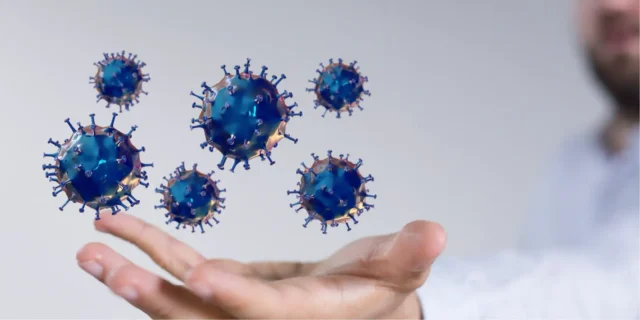
Immunotherapy
Immunotherapy is a type of cancer treatment that helps your immune system (your body’s natural defense) fight cancer.
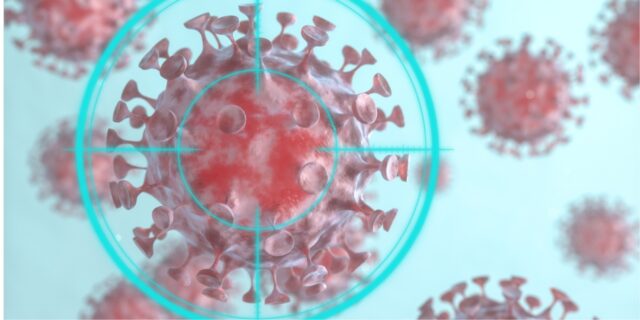
Targeted Therapy
Targeted therapy is a type of cancer treatment that uses special drugs to attack specific parts of cancer cells—like a laser that locks onto a target.

Liquid Biopsy
A liquid biopsy is a simple blood test (sometimes using urine or other fluids) that looks for tiny pieces of cancer-related material in your body
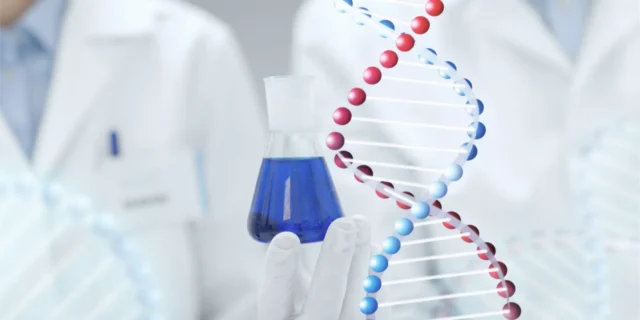
Biomarker Identification
Biomarker identification is the process of finding biological signs (like certain molecules, genes, or proteins in the body) that tell us

Genomic Profiling
Genomic profiling (also called molecular profiling or tumor sequencing) is a way doctors look closely at the DNA—and sometimes RNA—of a cancer tumor

Personalized & Precision Cancer Care
Personalized and Precision Cancer Care refers to tailoring treatment strategies based on an individual’s genomic profile, tumor biology,
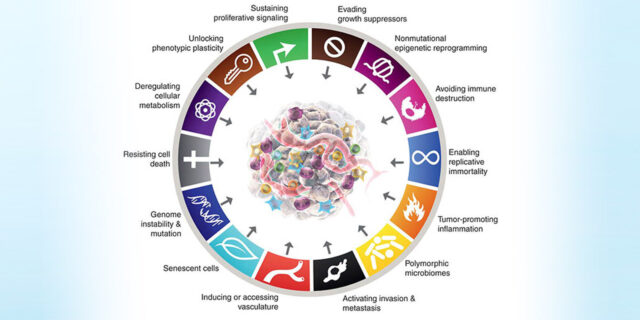
The Hallmarks of Cancer and the Rationale for Targeted Therapy and Immunotherapy
Over the past few decades, our understanding of cancer has shifted from viewing it as a single disease to recognizing it as a complex set of diseases driven by specific biological capabilities.
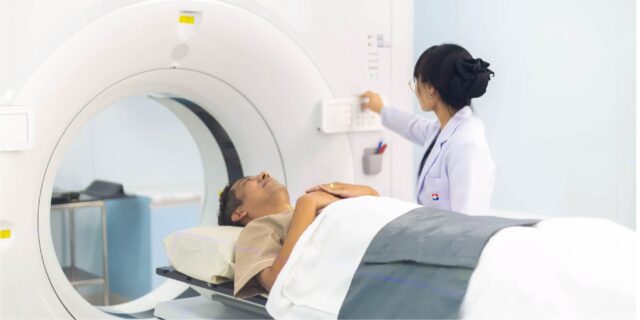
Radiation therapy
Radiotherapy Technologies—including CT Simulation, Linear Accelerators (LINACs), and Brachytherapy—all essential for modern, precise cancer treatment

Colorectal Cancer Overview
Colorectal cancer originates in the colon or rectum, parts of the large intestine. Depending on the site of origin, it is referred to as colon cancer or rectal cancer.