

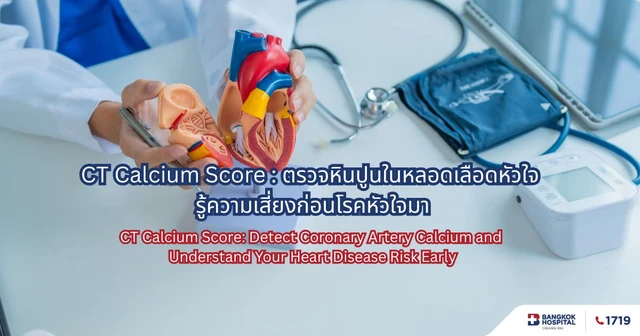
CT Calcium Score: Detect Coronary Artery Calcium and Understand Your Heart Disease Risk Early
Cardiovascular disease is one of the leading causes of death in Thailand. Many individuals may not experience any symptoms beforehand, yet calcium deposits may already be accumulating in their coronary arteries.

Probiotics vs Prebiotics : Which Is Better ?
Probiotics are the “beneficial microorganisms,” while prebiotics are the “food that nourishes them.” They work together to support a balanced gut environment. Eating a varied diet that includes fermented foods and natural sources of dietary fiber is a practical way to support gut health. Probiotic or prebiotic supplements are not necessary for everyone and should be selected according to individual health needs.
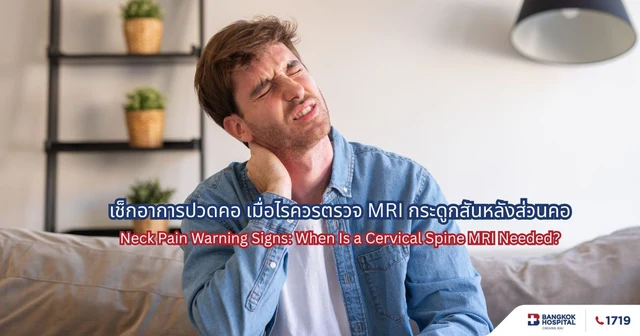
Neck Pain Warning Signs: When Is a Cervical Spine MRI Needed?
In the digital age, many people spend several hours a day using smartphones, tablets, and computers. Looking down at a screen for prolonged periods places additional strain on the neck muscles and increases pressure on the cervical spine. Over time, this may contribute to cervical disc degeneration, a herniated cervical disc compressing a nerve, or narrowing of the spinal canal.

Don’t Wait for a Bite or Scratch: Rabies Vaccination Can Be Given in Advance
Rabies is a severe infectious disease. Once symptoms appear, there is no effective cure, and the disease is almost always fatal. Rabies can be transmitted to humans through bites, scratches, or saliva contacting an open wound from infected mammals, including dogs, cats, and wild animals.

Cortisol and DHEA Testing: Understanding Stress-Related Health Beyond “Not Getting Enough Rest”
Today, stress has become a part of everyday life, whether from work, staying up late, insufficient sleep, or accumulated pressure. Chronic stress does not affect only emotional well-being; it can also directly influence the body’s hormonal system.

How to Get Sufficient Protein Daily
Getting enough protein every day is important for maintaining muscle mass, supporting the immune system, and promoting healthy metabolism. However, many people may still wonder:

Chronic Insomnia Affects the Body More Than You May Think
“Insomnia” may seem like a minor problem to many people. However, when it continues over time and develops into chronic insomnia, it can significantly affect both physical and mental health.
Melatonin : A Natural Aid for Better Sleep
Melatonin is a hormone naturally produced by the pineal gland in the brain. It plays an important role in regulating the body’s internal clock (circadian rhythm) and the sleep–wake cycle.
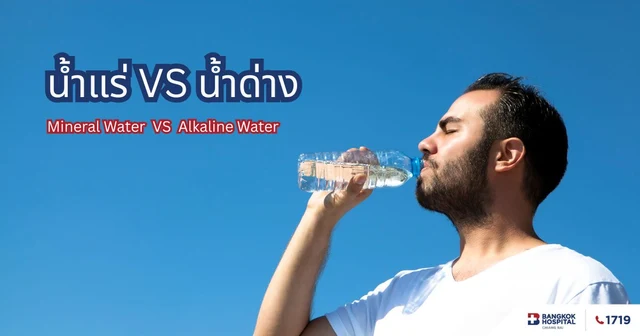
Mineral Water VS Alkaline Water
Mineral water is water obtained from natural sources, such as underground water or natural springs. It naturally contains various minerals, including calcium, magnesium, potassium, and bicarbonate.
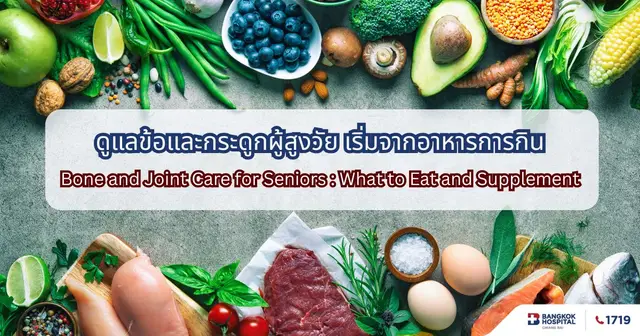
Bone and Joint Care for Seniors : What to Eat and Supplement
As people age, their bones and joints gradually lose strength. Bone mineral density decreases, while joint flexibility and function may decline, increasing the risk of osteoporosis, fractures, and osteoarthritis. Appropriate nutrition therefore plays an important role in slowing age-related deterioration and maintaining the strength of the bones and joints.

Eye Examinations for Older Adults: Why They Matter and Conditions to Watch For
The eyes play an essential role in vision and everyday activities. As we age, the structures of the eyes and the visual system naturally change, increasing the risk of various eye conditions. Some of these conditions may not cause noticeable symptoms in their early stages but can lead to permanent vision loss without appropriate examination and treatment.
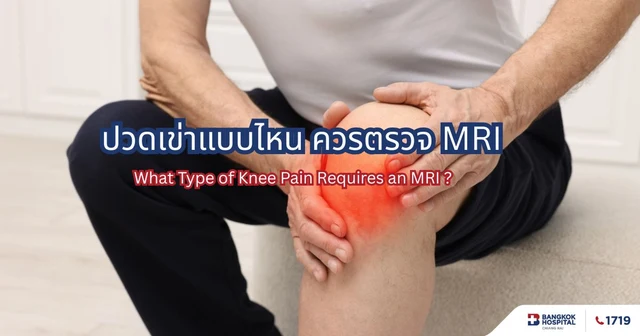
What Type of Knee Pain Requires an MRI ?
Knee pain can affect people of all ages, not only older adults. It is also commonly found among office workers, athletes, and those who exercise regularly. When knee pain occurs, an X-ray is often the first imaging test performed. Although X-rays are effective for detecting bone abnormalities, they do not clearly show soft tissues such as ligaments, menisci, or cartilage.