.png)
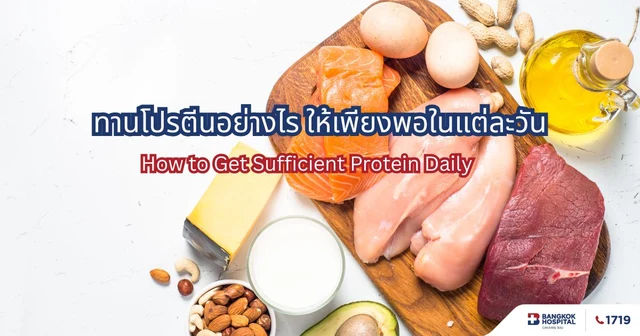
Getting enough protein every day is important for maintaining muscle mass, supporting the immune system, and promoting healthy metabolism. However, many people may still wonder:
“How many grams of protein should I eat each day?”
“What should protein requirements be calculated from?”
“Can eating too much protein be harmful?”
1. What Is Protein and Why Is It Important?
Protein is a macronutrient that the body uses to build and repair tissues, including muscles and skin. It is also required for the production of enzymes, hormones, and many other substances in the body.
Protein helps maintain muscle mass, particularly as we age, and also plays an important role in supporting the immune system.
2. Recommended Daily Protein Intake
According to recommendations from the Institute of Medicine and the FAO/WHO/UNU Expert Consultation (2007), the minimum protein requirement for a generally healthy adult who does not exercise regularly is:
0.8 grams of protein per kilogram of body weight per day
Examples
| Body Weight | Minimum Protein Intake |
|---|---|
| 50 kg | 40 g/day |
| 60 kg | 48 g/day |
| 70 kg | 56 g/day |
3. Protein Requirements Based on Activity Level and Health Status
| Group | Recommended Protein Intake |
|---|---|
| General adults who do not exercise | 0.8–1.0 g/kg/day |
| Older adults aged over 60 years | 1.0–1.2 g/kg/day |
| People who exercise regularly or want to build muscle | 1.2–2.0 g/kg/day |
| People trying to lose weight while preserving muscle | 1.6–2.2 g/kg/day |
| Athletes | 1.6–2.4 g/kg/day |
| People who are ill or recovering | 1.2–2.0 g/kg/day, depending on their condition |
Protein Calculation Formula
Daily protein requirement (g) = Body weight (kg) × Protein requirement (g/kg/day)
Example
A 40-year-old woman weighs 60 kg and wants to reduce body fat while maintaining muscle mass.
60 × 1.6 = 96 grams of protein per day
It is generally recommended to distribute protein intake evenly across three to four meals throughout the day.
| Meal | Suggested Protein Intake |
|---|---|
| Breakfast, lunch, and dinner | 25–30 g per meal |
| Snack or post-workout meal | 10–20 g |
Research suggests that spreading protein intake throughout the day, rather than consuming most of it in one meal, may better support muscle development and appetite control.
4. Can Eating Too Much Protein Be Harmful?
For generally healthy people with normal kidney function, a higher protein intake has not usually been shown to cause harm when consumed appropriately.
However, caution is needed in people with chronic kidney disease because the kidneys may have more difficulty removing waste products produced during protein metabolism.
The source of protein is also important. Frequently consuming protein from high-fat or processed sources, such as processed red meat, may increase the risk of cardiovascular disease.
5. Are Protein Supplements Necessary?
Protein supplements are not essential for everyone. However, they may be useful for people who cannot meet their protein needs through regular meals or those who exercise intensively.
A balanced diet containing high-quality protein sources should remain the main priority.