


Beware of These Common Eye Diseases
Eye disorders can be caused by various factors, resulting in various signs and symptoms. They can be as trivial as minor irritation or pain all the way to blurred vision or blindness. The four most common eye diseases, pterygium, pinguecula, cataract, and glaucoma, are worth knowing to keep your eyes safe.

Dry eye disease – a common eye problem disturbing daily life
Dry eye disease is a common and often chronic problem, affecting daily life and activity of people of all ages. Dry eyes develop when the tears are not able to provide adequate lubrication for the eyes.
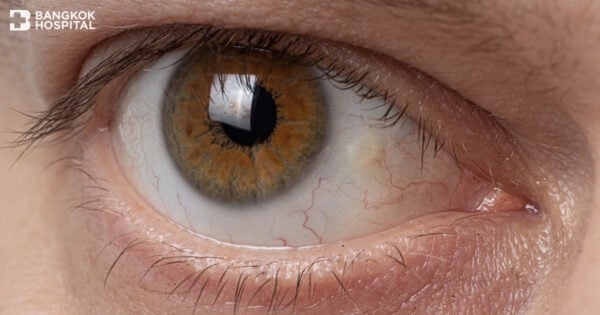
Pinguecula and pterygium – The common degeneration of the conjunctiva
Pinguecula and pterygium are the common degenerations of the conjunctiva. A pinguecula is characterized by a yellowish raised growth on the conjunctiva typically at the nasal or temporal conjunctiva near the edge of cornea. Pterygium is the triangular shape of vascularized conjunctival tissue on the cornea and it invades the cornea (known as fibrovascular invasion of the cornea). Pterygium may start as a pinguecula that can remain small or grow large enough to cover some parts of the cornea. The body of a pterygium usually appears red with noticeable blood vessels. Redness depends on the growth of abnormal blood vessels. If it is left untreated, pterygium sometimes advances towards the center of the eye, affecting vision. They are not tumor. Generally, pinguecula and pterygium form in the corner of the eye near the nose. However, they may develop in the temporal of the eye and often both eyes are involved.

Your Gaze Can Reveal the Type of Risk to Your Vision
Do you realize that there can be different issues with the eyes at various ages? These include nearsightedness (myopia), farsightedness (hyperopia), or astigmatism that begins at an early age. There are even greater risks to the vision particularly as one stares at a mobile device too frequently.

Translated by AI
Eye Diseases in the Elderly: Degeneration to be Prepared For
Organs in the body will deteriorate as we age, including our eyes. The eyes often start to deteriorate from the age of 40 upwards. The older we get, the more we will encounter deterioration and eye diseases according to age. Therefore, it is important to be careful and take care of eye health.

Translated by AI
Blue light is hazardous increases the risk of eye diseases
In the era of Covid-19, it's undeniable that people of all genders and ages are living their lives online almost all day long. Whether it's online learning, online meetings, online shopping, or chatting via computers, smartphones, tablets which emit blue light from their screens. Therefore, knowing about blue light and taking proper care to prevent it will help keep unexpected eye diseases at bay.
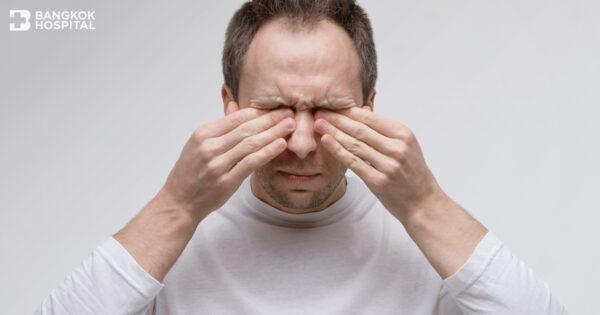
Meibomian gland dysfunction (MGD), one of contributing factors to dry eye syndrome
Experiencing symptoms e.g. eye irritation, redness, discharge, easily fatigued eyes and blurred vision might be potentially associated with dry eye syndrome. One of contributing factors to dry eye syndrome is meibomian gland dysfunction (MGD) defined as blockage or other abnormality of the meibomian glands, tiny oil glands which line the margin of the eyelids. The normal tears are made up of three layers – a lipid layer, a watery or aqueous layer and a mucous layer. If the oil gland openings get plugged up or obstructed, meibomian glands do not secrete sufficient oil into the tears, leading to evaporative dry eye that often causes eye irritation and eye lid infections. Knowing warning signs of meibomian gland dysfunction allows for early diagnosis and appropriate treatments before dry eye syndrome develops.
Translated by AI
Cataract removal with intraocular lens (IOL) implantation meets lifestyle needs
When over 50 years of age, the eye’s lens deteriorates, causing changes such as blurred vision, cloudy vision as if there is a film or fog obstructing it, and distorted perception of different colors. Checking for abnormalities of the eyes is important.

Excess sun exposure can put you at greater risks for eye problems
During exposing to the sun, we often protect our skin by applying sunblock, but we might forget that the eyes need sun protection as well. Despite the fact that eyes only account for 2% of total body surface area, UV radiation from natural sunlight can drastically damage the eye's surface tissues as well as main components e.g. the cornea and lens.

Computer Vision Syndrome (CVS): A whole range of eye strain and discomfort caused due to digital life
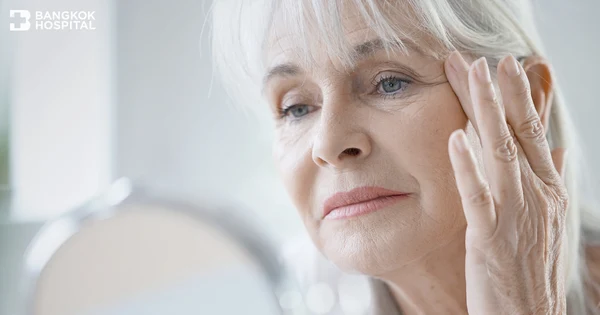
Age - Related Macular Degeneration (AMD) in the elderly
Among other degenerative conditions, vision impairment is one of the leading causes of morbidity in the elderly.

Proper eye care during COVID-19 pandemic
COVID-19 disease caused by SARS-CoV-2, a single-stranded RNA virus has recently become global pandemic.