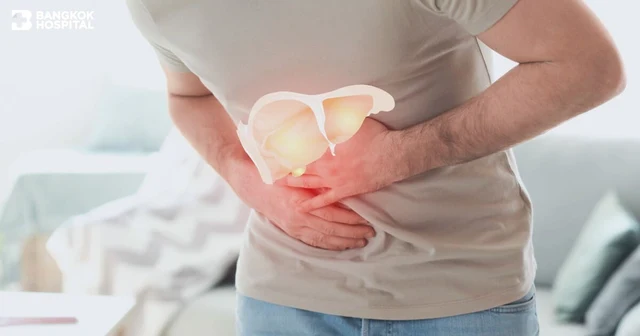
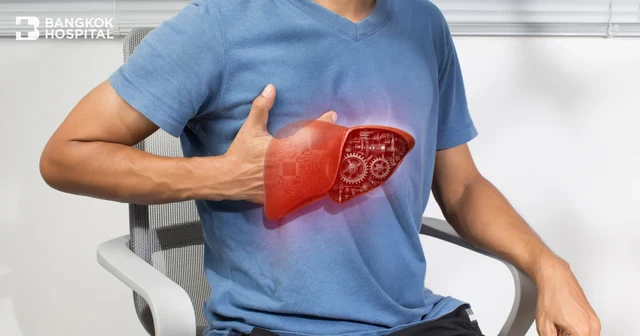

Cirrhosis is a condition in which scar tissue accumulates in the liver over a long period of time until the liver’s structure and function become abnormal. Normal tissue is replaced by scar tissue, resulting in a continuous decline in liver efficiency
Understanding cirrhosis (Liver Cirrhosis) as a chronic liver disease caused by ongoing liver inflammation—whether from viral hepatitis, alcohol consumption, fatty liver disease, or other causes—is important because it may lead to severe complications such as ascites, bleeding from esophageal varices, hepatic encephalopathy, and liver cancer.
Early diagnosis and treatment, including controlling the causes of chronic liver inflammation, can help slow disease progression, reduce the risk of complications, and help patients have a better quality of life.
Cirrhosis (Liver Cirrhosis) is what?
Cirrhosis is a condition resulting from continuous inflammation or injury to the liver over a long period. The body repairs damaged liver tissue by forming scar tissue to replace it. As more scar tissue accumulates, the liver’s structure becomes distorted, hardens, and its function declines.
In the early stage, many patients may have no symptoms or only nonspecific symptoms such as fatigue, easy tiredness, loss of appetite, or nausea, causing the disease to be overlooked until late-stage complications occur. Although some liver scarring may improve with appropriate early treatment, once cirrhosis has developed, extensive liver damage often cannot fully return to normal. Therefore, early detection and treatment of chronic liver disease are extremely important.
What can cause cirrhosis?
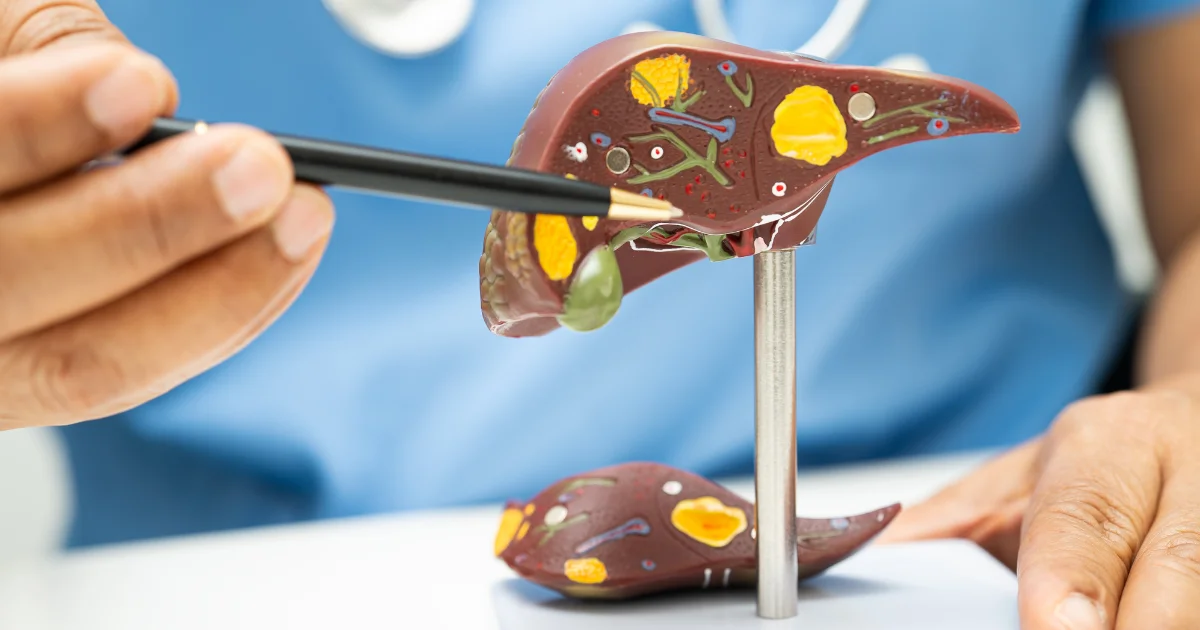
Cirrhosis is not caused by alcohol consumption alone, but can result from various diseases or conditions that cause liver inflammation and long-term accumulation of liver fibrosis. Common causes include
1. Metabolic dysfunction–associated steatotic liver disease (MASLD)
Currently, this is one of the major causes of cirrhosis worldwide. It is commonly found in people with obesity, central obesity, diabetes, high blood lipids, or insulin resistance. Long-term fat accumulation in the liver may eventually lead to inflammation, fibrosis, and cirrhosis.
2. Alcohol-related liver disease (Alcohol-Related Liver Disease; ALD)
Heavy and continuous alcohol consumption over a long period can directly damage liver cells, trigger inflammation and fibrosis, and lead to cirrhosis. Risk increases with the amount and duration of drinking. In general, men who regularly consume more than 4 standard drinks per day, or women who regularly consume more than 2 standard drinks per day, have an increased risk of alcohol-related liver disease. (1 standard drink is equivalent to approximately 10–14 grams of pure alcohol.)
3. Chronic viral hepatitis B and C (Chronic Viral Hepatitis B and C)
Chronic hepatitis B or C infection causes ongoing liver inflammation. Without treatment, it may lead to fibrosis, cirrhosis, and liver cancer. It remains a major cause of cirrhosis in Thailand.
4. Autoimmune hepatitis (Autoimmune Hepatitis)
Caused by an abnormal immune response in which the body’s immune system attacks its own liver cells, leading to chronic inflammation and possibly cirrhosis.
5. Genetic disorders and bile duct diseases
Certain diseases, such as iron overload (Hemochromatosis), Wilson’s disease, or chronic cholangitis, can cause abnormal substance accumulation in the liver and lead to cirrhosis.
6. Certain medications, herbs, and toxins
Long-term exposure to certain medications or substances, including non-standard dietary supplements or herbal products, may cause liver inflammation and increase the long-term risk of fibrosis or cirrhosis.
How many stages are there in cirrhosis?
In general, cirrhosis can be divided into two main stages based on liver function and the development of complications:
1. Compensated cirrhosis (Compensated Cirrhosis)
Also called the “early stage” of cirrhosis. Although fibrosis has developed and the liver structure has changed, the liver can still compensate. Many patients may have no symptoms or only nonspecific symptoms such as fatigue, easy tiredness, loss of appetite, or mild abdominal discomfort. Therefore, it is often detected during health checkups or investigations for chronic liver disease causes.
2. Decompensated cirrhosis (Decompensated Cirrhosis)
Or the “stage with complications.” At this stage, the liver can no longer compensate adequately and complications begin to occur. Patients may develop jaundice (yellow skin and eyes), ascites, leg swelling, bleeding from esophageal varices, or hepatic encephalopathy—conditions that require close medical supervision.
In general, patients diagnosed and treated during the compensated stage have a better chance of controlling the disease and reducing the risk of complications than those who have already progressed to the decompensated stage.
Recognizing cirrhosis symptoms warning signs not to ignore
Cirrhosis in the early stage often does not show clear symptoms, so many patients do not know they have the disease until liver damage becomes more severe or complications begin to develop.
- Early-stage symptoms: Patients may experience fatigue, easy tiredness, nausea, loss of appetite, nausea, or unexplained weight loss, which are nonspecific symptoms and can occur in many diseases.
- Symptoms when liver function begins to decline: As the disease progresses, symptoms may begin such as yellow skin, yellow eyes (jaundice), abdominal enlargement from ascites leg swelling, or abnormally red palms.
- Symptoms that require urgent medical attention: If there is vomiting blood, black tarry stools, confusion, dizziness, unusual drowsiness, or behavioral changes, seek medical care immediately, as these may be signs of severe cirrhosis-related complications.
Complications from cirrhosis that require monitoring
When cirrhosis progresses to the point where the liver can no longer compensate adequately, patients may enter decompensated cirrhosis and develop major complications, some of which can be life-threatening without timely treatment.
1. Ascites and edema (Ascites and Edema)
This is the most common complication of cirrhosis. It results from increased portal venous pressure together with reduced albumin production by the liver, leading to fluid accumulation in the abdomen and legs. Patients may have abdominal distension, a feeling of fullness, weight gain, or leg swelling. There is also a risk of infection in the ascitic fluid (Spontaneous Bacterial Peritonitis; SBP) which may present with fever, abdominal pain, or decreased alertness.
2. Portal hypertension and gastrointestinal varices (Portal Hypertension and varices)
When liver scarring obstructs blood flow, portal venous pressure rises, causing varices in the esophagus or stomach. If these vessels rupture, patients may vomit fresh blood or pass black tarry stools, which is a medical emergency.
3. Hepatic encephalopathy (Hepatic Encephalopathy)
This occurs when the liver cannot eliminate toxins effectively, leading to toxin buildup that affects brain function. Patients may experience forgetfulness, reduced concentration, confusion, personality changes, sleep–wake reversal, or in severe cases decreased consciousness to the point of coma.
4. Hepatorenal syndrome (Hepatorenal Syndrome)
Severe cirrhosis can affect blood circulation and kidney function, resulting in kidney failure even when the kidneys themselves are not directly abnormal. This is a highly serious complication that requires close care.
5. Increased risk of liver cancer (Hepatocellular Carcinoma)
Patients with cirrhosis have a higher risk of liver cancer than the general population. Therefore, regular screening is recommended. In general, liver ultrasound every 6 months is advised, and additional blood tests may be considered at the physician’s discretion to increase the chance of detecting liver cancer at an early stage.
Diagnostic approach for cirrhosis

When a physician suspects that a patient may have cirrhosis, they will take a history, perform a physical examination, and order additional tests to evaluate the cause, severity, and possible complications. Key tests include:
1. Blood tests to assess liver function
Blood tests help evaluate liver inflammation, liver functional capacity, and related complications. Examples of values physicians consider include:
- AST (SGOT) and ALT (SGPT) : Used to assess inflammation or injury to liver cells
- Albumin : A protein produced by the liver; low levels may indicate decreased liver function
- Bilirubin : High levels may cause yellow skin and eyes (jaundice)
- INR or Prothrombin Time (PT) : Used to assess the ability to produce proteins involved in blood clotting
- Platelet Count (platelets) : Low platelets may be a sign of portal hypertension due to cirrhosis
2. Abdominal ultrasound (Ultrasound)
This is a commonly used initial test to evaluate cirrhosis because it is painless and does not require contrast injection. It can help assess liver characteristics, enlarged spleen, ascites, and can also be used to screen for liver cancer in patients with cirrhosis.
3 FibroScan® (Transient Elastography)
FibroScan® measures liver stiffness to assess the degree of fibrosis and severity of liver disease without a liver biopsy. It can also evaluate the amount of fat accumulation in the liver at the same time.
4. Computed tomography (CT Scan) or magnetic resonance imaging (MRI)
In some cases, a physician may consider CT or MRI to assess liver structure, complications, and further screen for liver cancer.
5. Upper gastrointestinal endoscopy (Upper GI Endoscopy)
Some patients with cirrhosis may undergo endoscopy to check for varices in the esophagus or stomach, an important complication of cirrhosis that can cause gastrointestinal bleeding.
Currently, physicians can diagnose and assess cirrhosis severity in most patients using blood tests, ultrasound, and FibroScan® without the need for a liver biopsy.
Can cirrhosis be cured
One of the most common questions is, “Can cirrhosis be cured?” The answer is that cirrhosis is a condition in which the liver has long-standing fibrosis and structural changes, and most of the damage cannot fully return to normal. However, if the cause of the disease can be treated or controlled early, fibrosis and liver function in some patients may improve.
The main goals of cirrhosis treatment are to halt progression, prevent complications, and help patients have a better quality of life. Treatment depends on the cause and severity, such as treating hepatitis B or C, complete alcohol cessation, or weight control and management of comorbidities in patients with fatty liver disease. In addition, physicians will manage and treat complications that may arise from cirrhosis, such as ascites, esophageal varices, hepatic encephalopathy, or infections.
In cases of severe liver damage where the liver can no longer function adequately, or when complications are difficult to control, liver transplantation (Liver Transplantation) may be a treatment option that can help patients return to a better quality of life.
Current treatment for cirrhosis
Although scar tissue that has progressed to cirrhosis cannot fully return to normal liver tissue, appropriate treatment can help slow progression, reduce the risk of complications, and improve patients’ quality of life.
1. Treating the cause of the disease
The key to treating cirrhosis is controlling or eliminating the cause of chronic liver inflammation.
- In patients with hepatitis B or C, physicians may consider antiviral medications to reduce inflammation and slow progression.
- In alcohol-related liver disease, complete alcohol cessation is most important.
- In fatty liver disease, weight control and treatment of diabetes, high blood lipids, and other metabolic risk factors are recommended.
2. Treating complications
Patients with cirrhosis may need treatment for associated complications, such as:
- Medications to reduce portal pressure to lower the risk of esophageal variceal bleeding
- Diuretics for patients with ascites or leg swelling
- Medications for hepatic encephalopathy, such as drugs that reduce ammonia production and absorption in the intestines
3. Nutritional care
Many patients with cirrhosis have malnutrition and loss of muscle mass. Adequate energy and protein intake is therefore important. Physicians and dietitians will help plan nutrition appropriate to each patient’s condition. In addition, vitamin or mineral supplementation may be considered when deficiencies are detected.
4. Procedures and advanced treatments
In cases of severe complications or poor response to medication, physicians may consider additional treatments such as:
- Endoscopic band ligation of esophageal varices
- TIPS (Transjugular Intrahepatic Portosystemic Shunt) to reduce portal venous pressure
- Liver transplantation (Liver Transplantation), a treatment option for patients with advanced liver disease or complications that cannot be controlled by other methods
Do’s and don’ts for patients with cirrhosis
Patients with cirrhosis can reduce the risk of complications and slow disease progression by practicing appropriate self-care and avoiding factors that may cause further liver damage, as follows:
- Completely avoid all alcoholic beverages: Regardless of the cause of cirrhosis, alcohol can accelerate inflammation and increase liver damage.
- Avoid taking medications, herbs, or supplements on your own without consulting a physician: Some medications, including certain herbs and dietary supplements, may be toxic to the liver or affect liver function. Patients with cirrhosis should always consult a physician or pharmacist before using medications.
- Avoid raw or undercooked foods: Especially raw seafood such as oysters, because patients with cirrhosis have a higher risk of severe infections than the general population.
- Limit high-sodium foods: Especially in patients with ascites or leg swelling. Avoid processed foods, canned foods, pickled/fermented foods, and very salty foods to reduce fluid retention.
- Avoid constipation: Irregular bowel movements may increase the risk of hepatic encephalopathy in some patients. Drink water, eat fiber-rich foods, and use medications as advised by your physician.
Self-care and follow-up for patients with cirrhosis
Ongoing health care plays an important role in slowing disease progression, reducing the risk of complications, and helping patients achieve a better quality of life.
- Eat a balanced diet and get enough protein: Many patients with cirrhosis have malnutrition and reduced muscle mass, so they should consume an appropriate amount of high-quality protein as recommended by a physician or dietitian.
- Split meals into smaller portions and avoid long periods of fasting: Eating several small meals a day, including a bedtime snack, may help reduce muscle breakdown and maintain energy balance.
- Control weight and metabolic comorbidities: For patients with fatty liver disease, controlling body weight, blood sugar, and blood lipids can reduce inflammation and slow progression.
- Regularly monitor for abnormal symptoms: If you experience rapid weight gain, increased abdominal distension, leg swelling, jaundice, vomiting blood, black stools, or confusion, seek medical care immediately.
- Receive vaccines as recommended by your physician: Such as hepatitis A and B vaccines (for those without immunity), influenza vaccine, and pneumococcal vaccine to reduce infection risk.
- Attend regular follow-ups: Patients with cirrhosis should have blood tests, liver ultrasound, and other tests as scheduled to assess liver function, monitor for complications, and continuously screen for liver cancer.
Cirrhosis patient care services at Bangkok Hospital
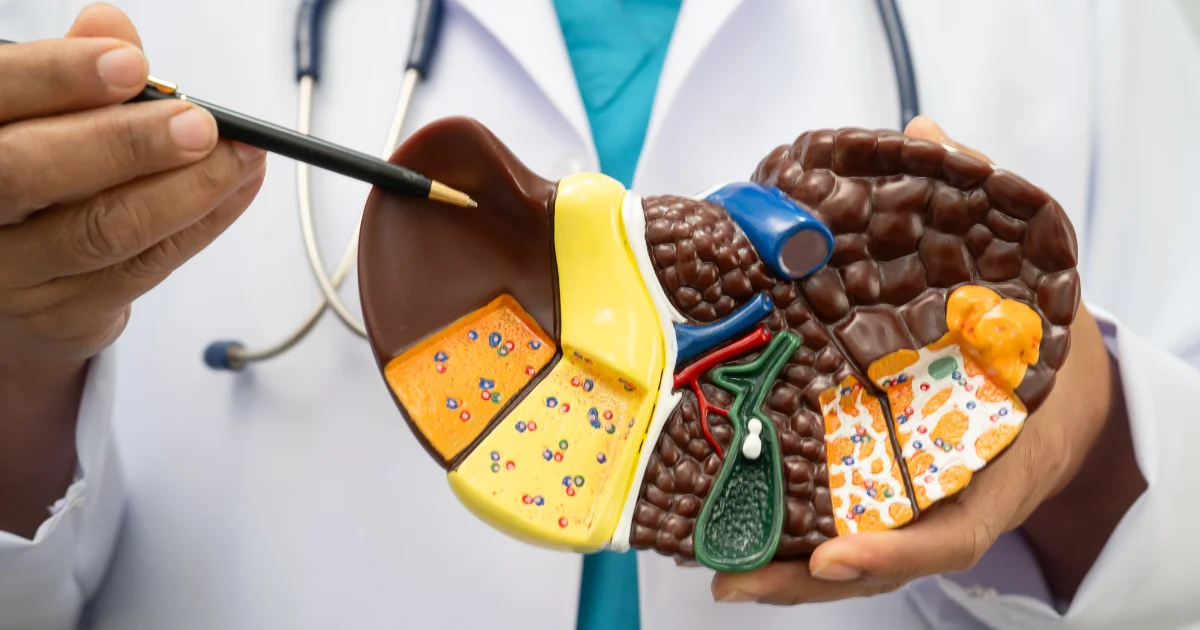
The Liver and Gastrointestinal Center at Bangkok Hospital provides care and treatment for cirrhosis by a multidisciplinary team and experienced hepatologists. We are ready to provide in-depth consultation on the causes of cirrhosis and develop individualized treatment plans, with endoscopic technologies such as ERCP, EUS, and DBE that help diagnose and treat without surgery.
We also provide systematic guidance for self-care and preparation before – after examinations to support appropriate recovery, so that patients’ cirrhosis symptoms are alleviated and they can live with quality of life under strict safety standards.
Article summary
Cirrhosis is a preventable condition if detected early and treated correctly. Behavioral changes and observing cirrhosis symptoms from the earliest stages are very important to prolong liver function. Proactive healthcare at Bangkok Hospital helps reduce concerns and provides care, including effective supportive management of symptoms in people with cirrhosis.
- Find a doctor: https://www.bangkokhospital.com/th/bangkok/doctor
- Make an appointment: https://www.bangkokhospital.com/th/bangkok/appointment/step1
- Contact us: https://www.bangkokhospital.com/th/bangkok/contact