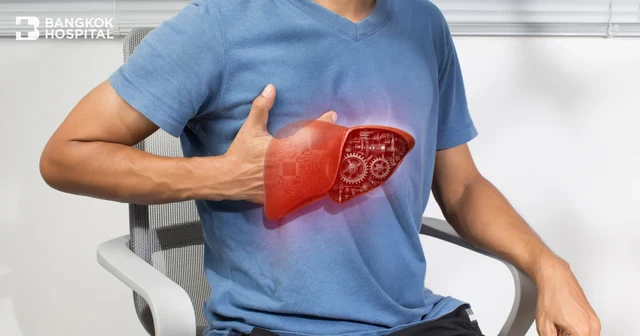


The liver is an important organ with the unique ability to regenerate and create new cells to replace lost tissue. When abnormalities or lesions occur, liver surgery is therefore one effective treatment approach to help the liver return to normal function. Many people may feel concerned when they hear they need surgery. This article will help you understand the treatment process, current surgical techniques, as well as proper preparation and self-care, to ease concerns and be ready before entering the treatment process.
Liver Surgery (Hepatectomy / Liver Resection): What is it?
Liver surgery, medically known as “Hepatectomy” or “Liver Resection,” is a surgical procedure to remove part of the liver tissue, or to remove the entire liver in cases involving liver transplantation. This surgery is commonly used to treat patients with severe liver disease, tumors, or liver cancer. The doctor evaluates and removes only the problematic portion so that the remaining liver tissue can continue to function adequately for the body.
What is special about the liver is its ability to regenerate. If the remaining liver tissue is strong enough, liver cells can recover and naturally regenerate new tissue to replace the removed portion. This process often takes several weeks to several months and is an important mechanism that enables patients to return to normal daily life after recovery.
Reasons for Needing Liver Surgery
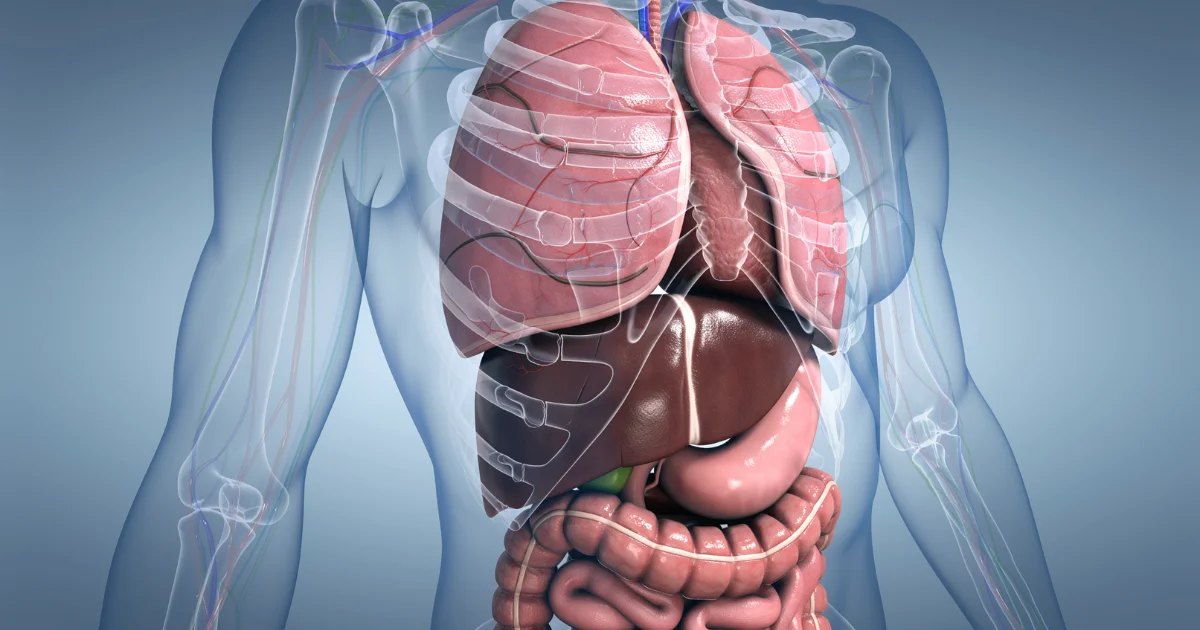
When considering whether a patient should undergo liver surgery, the doctor primarily evaluates the severity of the disease and the patient’s overall health condition. Common reasons include the following:
Surgery to remove a liver mass due to cancer
Surgical removal of a liver mass is a main treatment approach for patients with liver cancer, including primary liver cancer that arises directly in the liver and secondary (metastatic) cancer that has spread from other organs such as colorectal cancer, breast cancer, or ovarian cancer. The doctor removes the malignant tissue along with some surrounding healthy tissue to help reduce the risk of cancer progression.
Benign lesions or tumors
In addition to cancer treatment, surgery also includes removal of lesions or tumors that are not dangerous but affect daily life, such as large liver cysts, adenoma, or stones in the intrahepatic bile ducts, which may cause pain or obstruct the function of the liver and biliary system.
Surgery for liver donation
In cases where a patient has liver failure or severe liver disease that cannot be treated by other methods, a new liver transplant may be required. Liver donation surgery involves removing healthy liver tissue from a donor and transplanting it to the patient. The livers of both the donor and the recipient can grow and regenerate to restore function.
How Many Types of Liver Surgery Are There, and How Do They Differ?
Current liver surgery techniques have continued to advance. Doctors choose the most appropriate method based on the size and location of the lesion and the patient’s physical condition. There are three main approaches:
1. Open Surgery
This is the standard surgical method in which the surgeon makes an incision in the abdomen to directly access the liver.
It is often used when the mass is large, located in a complex position, or when a large portion of the liver must be removed. This allows the doctor to fully visualize and manage the lesion, but recovery may take longer due to the size of the incision.
2. Laparoscopic Surgery
This is a minimally invasive technique. The doctor makes small incisions in the abdomen to insert a camera and surgical instruments. Advantages include less wound pain, less blood loss, and faster recovery. It is suitable for lesions that are not very large and are in locations that instruments can reach.
Robotic-Assisted Surgery
This innovation uses robotic technology to assist in surgery. The surgeon controls robotic arms via a console displaying high-resolution 3D images, improving visualization and enabling more flexible instrument movement. This allows precise surgery in difficult-to-reach, small, and complex areas, resulting in smaller incisions, less bruising, and faster recovery back to daily life.
Steps and Duration of Liver Surgery

In general, liver surgery takes about 2–6 hours, depending on the technique used, the size of the lesion, and the complexity of each case. The main steps include:
- An anesthesiologist administers general anesthesia so the patient is asleep and unconscious throughout the procedure.
- The surgeon makes an incision according to the planned technique (open, laparoscopic, or robotic).
- The surgeon carefully identifies the location of the mass or lesion, possibly using intraoperative ultrasound.
- The surgeon removes the problematic portion of liver tissue and manages blood vessels and bile ducts to control bleeding.
- The surgical field is checked, tissue is sent for pathological examination, and the incision is securely closed.
Preparation Before Liver Surgery
Preparing your body before surgery is important to help reduce risks and promote good recovery. Recommended practices include:
- Undergo a physical examination, medical history review, blood tests, and imaging studies (such as CT scan or MRI) to evaluate liver function in detail.
- Inform the doctor of any underlying diseases and drug allergies, and stop medications that affect blood clotting such as aspirin or supplements, as advised by the doctor.
- Eat a high-protein diet for 1–2 weeks before surgery to strengthen the body.
- Stop smoking and avoid alcoholic beverages so the liver and lungs can function at full efficiency.
- Avoid food and water for at least 6–8 hours before surgery, according to the doctor’s instructions.
Post-Operative Care and Recovery Time After Liver Surgery
After surgery is completed, the patient must be closely monitored to watch for symptoms and support recovery. Recommended practices include:
- Recover in the intensive care unit (ICU) during the first 1–3 days. Some patients may need ICU care depending on complexity to closely monitor vital signs and organ system function.
- Follow the doctor’s and nurse’s instructions for wound care and managing any temporary drainage tubes that may be in place.
- Eat clean, easily digestible, nutritious foods, emphasizing protein to support wound healing.
- Strictly avoid alcohol and avoid herbal medications not prescribed by a doctor.
- Avoid heavy lifting and strenuous exercise for the first 4–8 weeks, or until the doctor allows it.
- Recovery time may range from 2–8 weeks, depending on the surgical technique and each individual’s physical condition.
Potential Risks and Complications
Although modern technology helps improve surgical effectiveness, every surgery carries risks that patients should understand and monitor, including:
- Bleeding, because the liver has many blood vessels
- Bile leakage if the bile ducts are damaged or the connection does not heal tightly
- Infection at the surgical wound, in the lungs, or in the urinary tract
- Pleural effusion or fluid accumulation in the abdomen (ascites)
- Liver failure if the remaining liver tissue is insufficient for the body’s needs
What Symptoms Should Prompt You to See a Doctor Immediately?

During home recovery, if patients notice abnormal symptoms, they should promptly return to see a doctor for evaluation, such as:
- Persistent high fever
- Severe pain at the surgical wound even after taking pain medication
- Swollen, red wound with bleeding or pus discharge
- Jaundice (yellow skin, yellow eyes)
- Abnormally distended abdomen
- Nausea and vomiting to the point of being unable to eat
- Shortness of breath
These symptoms may be signs of complications requiring urgent medical care.
Easing Concerns Before Liver Surgery with Advice from Doctors
Before surgery, many patients feel worried and may ask: Can I live a normal life after part of the liver is removed? or Is it very dangerous? From a doctor’s perspective, liver surgery is a method that effectively increases the chances of treating disease. Before surgery, the doctor will carefully assess the patient’s physical condition and calculate the amount of liver tissue to ensure that the remaining liver will be sufficient for use. If the remaining liver functions well, the body can create new cells to compensate for the lost portion through natural mechanisms. Therefore, if patients strictly follow medical advice, they can recover and regain a good quality of life.
Bangkok Hospital Surgery Center: Expertise in Liver Surgery with Modern Technology
The Surgery Center at Bangkok Hospital is ready to care for patients who need liver surgery and gastrointestinal diseases, using robotic-assisted surgery technology (Robotic-Assisted Surgery) that helps reduce pain and enables faster recovery—especially for surgery in difficult-to-reach and complex areas. Services are provided by a team of specialized surgeons experienced in using this technology to treat a wide range of conditions across multiple systems, including the lungs, prostate, liver, intestines, and gynecology. In addition, there are package services with clearly stated prices, covering specialized procedures that require high precision, so patients receive appropriate care and can plan treatment with confidence.
Article Summary
Liver surgery is a treatment process that requires careful evaluation and close monitoring. Although it may sound concerning, with today’s medical technology together with the expertise of the medical team, surgery can be performed effectively. Physical preparation before surgery and correctly following self-care recommendations after surgery will help ensure a smooth recovery and enable patients to return to normal daily life.
- Find a doctor: https://www.bangkokhospital.com/th/bangkok/doctor
- Make an appointment: https://www.bangkokhospital.com/th/bangkok/appointment/step1
- Contact us: https://www.bangkokhospital.com/th/bangkok/contact
Frequently Asked Questions (FAQ) About Liver Surgery
1. Can the part of the liver that was removed really grow back to its original state?
The liver is an organ that can generate new cells to replace lost tissue if the remaining liver tissue is strong enough. The process of restoring shape and size typically takes from a few weeks to several months, depending on each individual’s physical condition.
2. After surgery to remove a liver mass, is chemotherapy still necessary?
Whether to continue chemotherapy depends on the biopsy results and the stage of the disease. If the surgery involves removal of a malignant tumor, the doctor may consider chemotherapy or radiation therapy as well to help reduce the risk of recurrence.
3. How long is the recovery period after liver surgery before being able to return to work?
For minimally invasive surgery, home recovery usually takes about 2–4 weeks. For open abdominal surgery, it may take 6–8 weeks before returning to normal activities. In the early period, heavy lifting and excessive exertion should be avoided.
4. Can people with cirrhosis undergo liver surgery?
Yes, but the doctor must evaluate liver function in detail, because people with cirrhosis have more limitations on how much liver tissue can be removed compared with those with normal liver tissue. This is to ensure that the remaining liver will be sufficient for appropriate living.