


When experiencing chest pain or chest tightness, many people often feel anxious because of an uncomfortable sensation as if something heavy is pressing down, or having a tight sensation in the middle of the chest may cause confusion as to whether it is merely a common digestive issue or a dangerous warning sign of coronary artery disease. Understanding the differences in symptoms—such as the nature of the pain, the location, and triggering factors—is therefore important to help accurately recognize bodily abnormalities, be prepared to respond, and receive treatment promptly.
“Chest Pain Chest Tightness” A silent threat that warns of health problems
The sensation of chest pain and chest tightness is common and should not be overlooked, as it may be the starting point of complex health problems. People with symptoms often describe them differently. Some may feel uncomfortable as if something is pressing on the chest, while others may feel tightness in the middle of the chest or a burning pain. This variety of symptoms is the body’s warning mechanism that internal organs in the chest area may be functioning abnormally.
What is important is an initial assessment of the nature of the pain, because the chest is where many vital organs are located, including the heart, lungs, esophagus, and muscles. If neglected or not properly diagnosed, it may lead to serious complications. Regularly observing other associated symptoms is therefore a key that helps physicians assess risk and accurately differentiate preliminary conditions.
What causes chest tightness? Why is it often associated with “heart disease” and “acid reflux”?
Many people wonder what causes chest tightness and why it can be confusing between these two conditions. The main reason is anatomical structure: the esophagus and the heart are located close to each other in the central chest. When an abnormality occurs or there is inflammation, sensory nerves in that area can transmit pain signals that overlap, causing the brain to perceive pain or tightness in the same area. Understanding the mechanism of each condition therefore helps distinguish the differences more clearly.

What causes heart-related chest tightness?
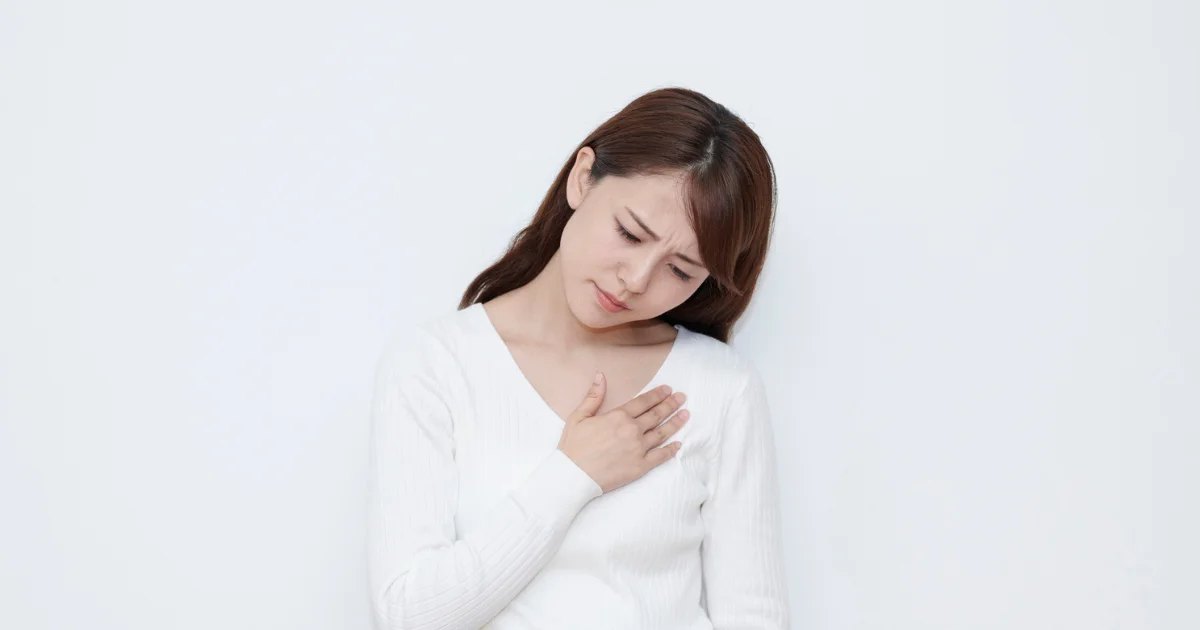
Complications related to heart disease often begin when the blood vessels supplying the heart muscle become narrowed or blocked, resulting in insufficient blood and oxygen to the heart muscle. The body therefore responds with heart pain, which often feels like severe pressure as if something heavy is pressing down or pain beneath the left rib cage. These symptoms often flare up or worsen with exertion, strenuous activity, or accumulated stress, and they usually improve with rest; however, if myocardial ischemia has already occurred, resting will not improve the symptoms.
What causes reflux-type chest tightness?
In gastrointestinal conditions, this often results from dysfunction of the lower esophageal sphincter that does not close tightly, allowing acid or digestive juices from the stomach to flow back up and damage the esophageal lining, causing irritation and inflammation. Patients therefore often experience a burning sensation or pain in the middle of the chest or epigastric area, and symptoms are often more noticeable when feeling a tight sensation in the middle of the chest after eating or feeling chest tightness after eating. In some cases, acid reflux with chest tightness and back pain may also occur, because nerves around the esophagus can refer pain signals to the back.
Initial assessment checklist: Which type of chest pain indicates heart disease or acid reflux
To accurately assess initial risk, you can observe the differences in symptoms between heart disease and acid reflux using the following comparison checklist.
|
Symptom characteristics |
Coronary artery disease |
Acid reflux disease |
|
Pain pattern |
Pain like something heavy pressing down, squeezing |
Burning in the chest, gripping pain, tightness in the epigastric area |
|
Location |
Left chest, radiating to the jaw, neck, shoulder, and left arm |
Middle chest, throat, epigastric area; may radiate to the back |
|
Triggering factors |
Exertion, exercise, or stress |
Large meals, spicy foods, or chest tightness when lying down |
|
Associated symptoms |
Shortness of breath difficulty breathing, sweating, palpitations, dizziness |
Sour belching, bitter taste in the mouth, dry cough, nausea |
What level of chest pain should prompt an urgent visit to a doctor?

If you have chest pain that starts suddenly, is severe, and lasts longer than 10–15 minutes, and it does not improve even after sitting and resting, or if the pain radiates to the left arm, neck, or jaw, you should go to the hospital immediately for safety. These symptoms may be warning signs of acute myocardial ischemia. Seeking medical attention quickly increases the chance of effective treatment and reduces the risk of dangerous complications.
Approach to medical diagnosis by physicians
When a patient arrives at the hospital, the physician will begin with a detailed history and a basic physical examination. If heart disease is suspected, the physician may consider using medical tools to help make an accurate diagnosis, such as
- Electrocardiogram (EKG)
- Echocardiogram (ultrasound of the heart)
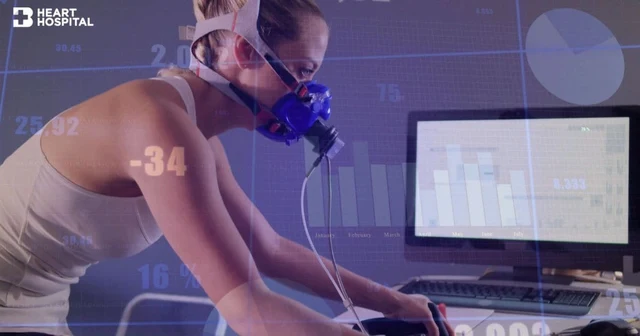
- Exercise Stress Test (treadmill test)
- Blood test for cardiac muscle enzymes
However, if it is assessed to be related to gastrointestinal problems, the physician may consider gastrointestinal endoscopy to further check for abnormalities of the esophagus and stomach.
Bangkok Heart Hospital is ready to care for heart disease with a team of specialist physicians
Chest pain, chest tightness, or a tight sensation that is difficult to pinpoint the cause of are warning signs that should not be left unattended. Diagnostic evaluation to determine the definite cause is therefore important. Bangkok Heart Hospital is ready to provide diagnostic and treatment services for heart disease under the care of a team of specialist physicians and a multidisciplinary team, including specialist doctors, nurses, physical therapists, pharmacists, and nutritionists, who jointly assess and create individualized treatment plans. With medical technology that supports detailed diagnosis, it helps screen and clearly identify the causes of abnormalities, together with a care system that emphasizes safety and attention to every detail, including 24-hour emergency patient transport, so patients receive timely care in accordance with JCI safety standards from the United States.
Article summary
Regardless of the cause, chest pain is a warning sign from the body that should not be ignored. Observing the nature of symptoms, triggering factors, and accompanying symptoms will help assess initial risk. Although there can sometimes be similarities between heart disease and gastrointestinal conditions, undergoing diagnostic evaluation by specialist physicians is the approach that correctly identifies the true cause, enabling appropriate care and treatment and helping you return to daily life with quality.
- Find a doctor: https://www.bangkokhospital.com/th/bangkok/doctor
- Make an appointment: https://www.bangkokhospital.com/th/bangkok/appointment/step1
- Contact us: https://www.bangkokhospital.com/th/bangkok/contact
Frequently asked questions (FAQ) about chest pain
1. Can acid reflux, chest tightness, and back pain occur at the same time?
Yes, they can occur together because refluxed acid irritates the esophageal lining, and nerves in this area can transmit referred pain signals to the back, causing patients to feel chest tightness and back pain at the same time.
2. Chest tightness when lying down and chest tightness in the middle of the chest after eating—how should behaviors be adjusted?
Adjust eating habits by avoiding large meals; avoid strongly flavored foods, fried foods, and fatty foods; and importantly, do not lie down immediately after eating. Wait at least 3–4 hours to allow digestion and reduce the chance of acid reflux.
3. Is pain beneath the left rib cage always heart disease?
Not always. Pain beneath the left rib cage can also have other causes, such as chest muscle inflammation from heavy use or costochondritis. However, if the pain is severe as if something heavy is pressing down or radiates to the arm and jaw, you should be vigilant and see a doctor promptly.
4. If you have shortness of breath difficulty breathing nausea together with chest tightness, what should you do?
This group of symptoms is considered a dangerous warning sign that may be consistent with myocardial ischemia. Stop what you are doing immediately, sit and rest in a well-ventilated area, and go to the hospital emergency department as soon as possible.