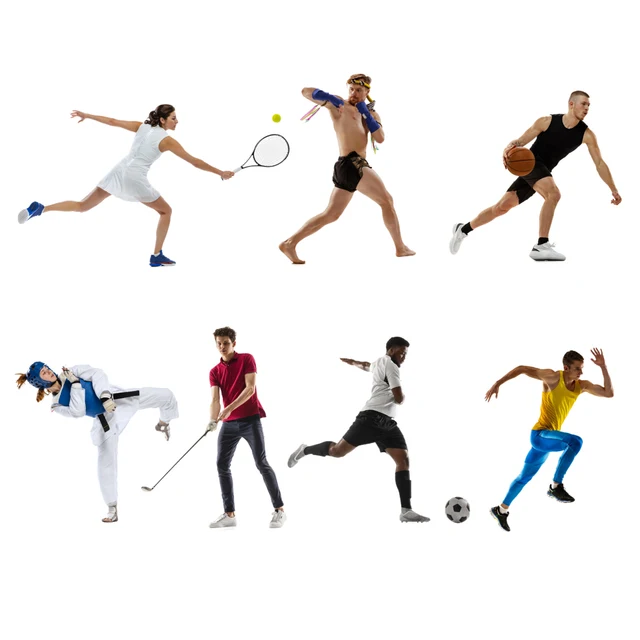
Under the current lockdowns during COVID-19 pandemic, people are restricted in their movements and activities in order to help limiting disease transmission. However, it remains important for people of all ages and abilities to be as active as possible. Physical activity refers to all forms of active recreation, sport participation as well as activities at work and around the home and garden. It does not have to be exercise or sport. In fact, playing, dancing, gardening and even house cleaning are a part of being physically active. Not only to boost immune function to act against viruses more effectively, but regular physical activity also helps ease muscle functions and reduce risks of developing chronic diseases as well as relieve mental tension, improving overall mental health.
Be active
Although, there is no confirmative evidence suggesting that regular exercise can prevent people from COVID-19 disease, all forms of physical activity play a major role in enhancing immune functions, resulting in lowered risks of being infected as well as quicker recovery if becoming infected. However, being physically and mentally active during the COVID-19 pandemic is challenging due to certain restrictions. It is still vital to continue daily life with regular movements in order to remain fit and active. To benefit overall health and wellbeing, recommendations made by health authorities on physical activity for people of all ages include:
- Regular physical movements: It is suggested to have a total of at least 150 minutes of moderate-intensity physical activity throughout the week, or at least 30 minutes per day, at least 5 days/week.
- Vigorous-intensity exercise should be avoided: Since vigorous exercise might suppress certain aspects of immune function, thus only moderate-intensity activity is preferred. Talking during exercise is also allowed along with social practice.
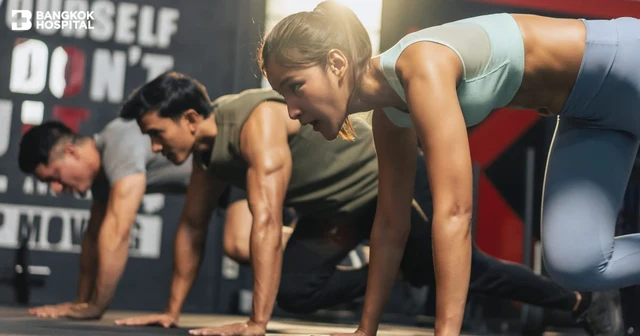
- At-home workouts: At-home workout routine can be started easily with a wide range of activities, for instance:
- Stair climbing;
- Dancing practice by using social network and media;
- Playing games that physical movement is required;
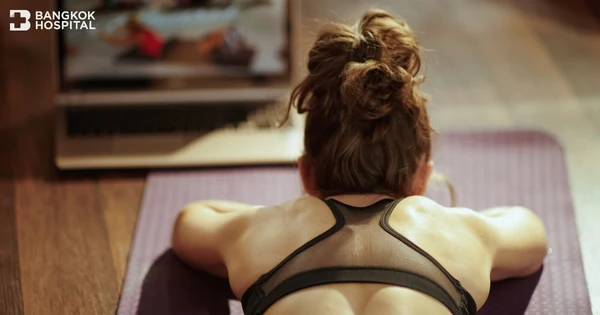
- Having exercise instructed by experts or trainers through internet and
- Conducting simple activities, such as skipping rope and yoga.
At-home workouts while working from home
To follow instructions directed by health authorities and governments, fitness centers, gyms and parks have temporarily closed in an effort to prevent the spread of the viruses. Nevertheless, being inactive and skipping physical routine significantly reduce physical fitness and overall health status. If physical inactivity continues, this might potentially lead to decreased fitness level up to 10% per week.
Instead of going to these places, at-home workouts can be easily implemented with convenience and joy. Tips for starting routine at-home workouts are:
- Exercise should combine both cardio and strength trainings. Cardio training generally involves exercising at a constant moderate level of intensity, for a specified duration in order to strengthen the heart and increase lung capacity. Strength or resistance training aims to improve muscular fitness by exercising a specific muscle or muscle group against external resistance, weight machines or body weight.
- Researches have indicated that vigorous or high-intensity exercise can potentially induce immune suppression, thus the optimal length for each exercise session should not longer than 60 minutes while target heart rate should be lower than 80% of maximum heart rate.
- In case of the lack of sport equipment that used in gyms, alternatives include bodyweight exercise using own body weight and elastic resistance training using elastic devices e.g. elastic band and tube.
- The workout should begin with a warm-up and end with cooling down. A warn-up and cooling down are important since they increase flexibility of muscles and help preventing injuries.
- To avoid boredom after repeating same routine, exercise should be performed with joy and fun. Interval training is simply alternating short bursts of intense activity with longer intervals of less intense activity. In addition, there are plenty of mobile applications involving exercise and physical activities e.g. online games and competitions which participants can easily join at home.
For professional athletes, a video conference can contribute significant benefits in training and coaching with coaches and team members. While holding a video conference, athletic posture, techniques and skills could be monitored, resulting in fitness improvement and reduced chance of injuries.
Face masks and exercise
Despite the consistency in the recommendation that people should wear face masks as a daily habit, wearing masks during conducting physical activities or exercise might generate negative impacts to the body. The face mask generally covers the mouth and nose. While exercising, wearing masks may limit ventilation and impair oxygen levels, causing breathing difficulties, shortness of breath and chest tightness. However, effects generated by wearing mask vary among individuals, depending on personal conditions and the types of masks.
- Professional and general athletes: Athletes who have regular training are prone to be more tolerant of wearing mask while having moderate-intensity exercise. Nonetheless, performing high-intensity exercise might need increased ventilation if mask is worn during exercise. As a result, this might lead to breathing issues and impaired fitness level.
- People who do not exercise regularly or the elderly: Wearing mask during exercise might increase risk of breathing problems since the body is not familiar to limited ventilation, therefore the heart and lungs tend to work harder than usual.
Types of face masks
Face masks made of different materials have been developed and available. Different types of masks have different quality and usage purposes as well as effects on ventilation system while wearing, such as:
- N95 mask: N95 mask or respirator is a respiratory protective device designed to achieve a very close facial fit and very efficient filtration of airborne particles. N95 mask or even surgical mask increases the effort in breathing and may cause discomfort especially while exercising. Although some N95 masks have exhalation valves on the front, it does not help to breathe easier. In fact, it might induce breathing difficulties and shortness of breath during conducting exercise.
- Cloth mask: Even though cloth mask is more convenient to wear and considered an alternative for personal protection, it cannot filter fine particles such as PM2.5 and prevent viral transmission during direct exposure to droplets from sneeze or cough.
Given the current circumstances, prevention of disease transmission via all means remains crucial as the first priority. Staying active and fit is also important to minimize the risk of infections. To reduce chances of viral spreading, at-home exercise or exercise in isolation areas with social distancing (at least 2 meters from each other) is highly recommended. Especially outdoor exercise, social distancing must be strictly complied with since droplets contaminated with viruses from infected people when sneezing or coughing might spread further due to speed and wind velocity. Besides social practice, other preventive measures must be followed e.g. maintaining good personal hygiene, frequent handwashing and avoiding touching mouth, eyes, nose and face.