

Fever Sponge Bath for Children: What Parents Should Know
When a child develops a high fever, many parents naturally become concerned, especially with young children who may be at risk of fever-related complications. A fever sponge bath is a simple and effective way to help reduce body temperature and make children feel more comfortable while recovering.
When Is It Considered a Fever?
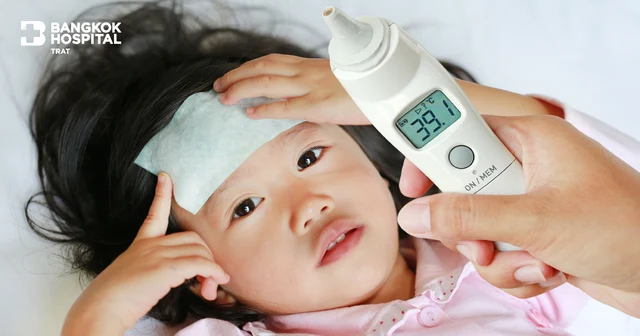
Normal body temperature is generally between 36°C and 37°C. A temperature above 37.5°C is considered a fever and may be accompanied by symptoms such as headache, body aches, fatigue, drowsiness, or chills.
Children between 6 months and 6 years of age should be monitored closely, as they may be at risk of febrile seizures when experiencing a high fever.
How Does a Fever Sponge Bath Help?
A fever sponge bath helps draw heat away from the body using water, allowing body temperature to decrease gradually and safely. For best results, use room-temperature water and continue sponging for approximately 15–20 minutes while administering fever-reducing medication as directed by a healthcare professional.
How to Give a Fever Sponge Bath Properly
- Remove thick clothing or unnecessary layers.
- Use a clean towel soaked in water and wring it until damp.
- Begin by wiping the face, forehead, and neck.
- Wipe the chest, torso, arms, and legs, moving from the extremities toward the body.
- Place damp towels on the neck, armpits, elbow creases, groin area, and behind the knees to help dissipate heat.
- Continue the sponge bath for approximately 15–20 minutes.
- Gently dry the child and dress them in comfortable, lightweight clothing.
Important Tips During a Fever Sponge Bath
- Encourage the child to drink fluids frequently to prevent dehydration.
- Do not use alcohol for sponging.
- Avoid applying powder after the sponge bath, as it may interfere with heat dissipation.
- If the child develops significant chills, stop temporarily and resume when the child is more comfortable.
- Use fever-reducing medication according to medical advice.
When Should You Seek Medical Attention?
Seek medical care promptly if a child has a persistent high fever, becomes unusually drowsy, eats or drinks poorly, experiences difficulty breathing, has a seizure, or develops any other concerning symptoms.
A fever sponge bath is a safe and effective first-aid measure that can help lower body temperature and improve comfort in children with fever. However, careful monitoring is essential. If the fever does not improve or if concerning symptoms develop, consult a healthcare professional for proper evaluation and treatment.