What is RSV?
Viruses are microscopic organisms that can cause illnesses ranging from mild to severe, especially when the immune system is weak. During the rainy season, several viruses tend to circulate, including influenza A, B, and H1N1. However, one of the most prominent viruses currently is RSV, short for Respiratory Syncytial Virus.
How is RSV transmitted?
Medical experts indicate that RSV thrives in humid conditions, especially during the rainy season from July to September. The virus spreads easily through close contact, as well as through exposure to respiratory secretions from the eyes, nose, and airways. Children and adults with cold symptoms are more likely to transmit the virus. Infants can be infected from birth. The incubation period for RSV is approximately 2–6 days.
What symptoms does RSV cause?
RSV affects the respiratory system and can be categorized into three groups:
- Upper respiratory tract infection: symptoms similar to a common cold, including fever, cough, runny nose, and sore throat
- Lower respiratory tract infection: including middle ear infection and bronchiolitis, commonly seen in children under 1 year old. In severe cases, high fever and breathing difficulty may occur. RSV is responsible for approximately 40–90% of such cases, and may lead to severe pneumonia in infants.
- Sudden Infant Death Syndrome (SIDS): unexplained infant death where RSV is suspected to be a contributing factor.
Common symptoms leading to hospital visits
RSV infection may present with the following signs and symptoms:
- Bluish skin due to lack of oxygen
- Difficulty breathing or shortness of breath
- Severe coughing leading to exhaustion
- Barking cough (croupy cough, often described as a “seal bark” cough)
- Fever
- Nasal flaring during breathing
- Rapid, shallow breathing, wheezing, nasal congestion
How severe can RSV be?
Some cases can be severe and require hospitalization. In critical conditions, patients may develop respiratory failure requiring intubation, mechanical ventilation, bronchodilators, and chest physiotherapy to remove mucus. Delayed treatment may be life-threatening. Common complications include bronchiolitis, croup, middle ear infections, respiratory failure, and pneumonia. There is also a higher risk of developing asthma later in life after RSV infection.
How is RSV different from the common cold?
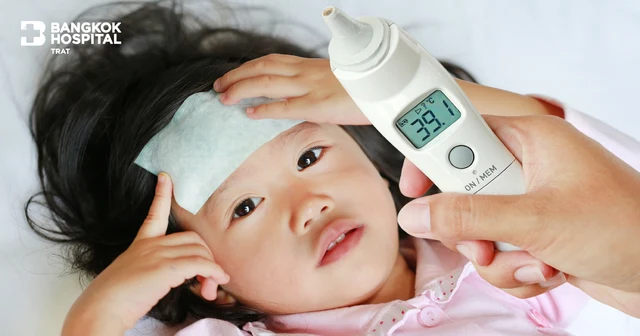
Children with a common cold usually have mild symptoms such as fever, cough, sneezing, and runny nose, and can still eat and drink normally. These symptoms typically resolve within 5–7 days. However, RSV infection can cause severe breathing difficulty. Some children may develop pneumonia, chest retractions, labored breathing, or wheezing. In severe cases, they may vomit from excessive coughing, become lethargic, develop bluish skin, and be unable to eat or drink.
How is RSV treated?
Currently, there is no specific vaccine or antiviral medication for RSV. Treatment is mainly supportive. It is important to prevent dehydration, as thick mucus can worsen lung infection. Treatments may include inhaled medications, oxygen therapy, and fever-reducing medications every 4–6 hours, along with tepid sponging. Rest is essential, and recovery usually takes about 7–14 days. After recovery, children’s airways may remain sensitive, making them more prone to future infections. Therefore, parents should provide extra care, especially regarding nutrition and physical health during seasonal changes.
Prevention tips
RSV can be prevented with proper hygiene and precaution. Simple steps include:
- Wash hands thoroughly with soap before handling children
- Avoid close contact with individuals who have cold symptoms, or wear a mask when necessary
- Avoid kissing or close face contact with children
- Keep children away from infected individuals
- Avoid smoking at home, as it increases the risk of RSV infection
- Avoid crowded places during outbreaks
“