What is gastric cancer?
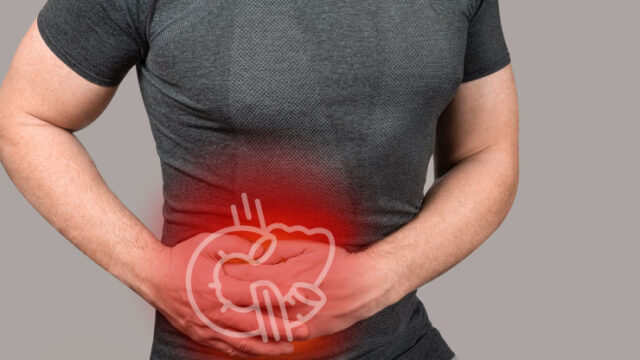
Stomach cancer is a disorder in which the cells lining the stomach divide abnormally, leading to cancer. It can occur in any part of the stomach and can spread to other organs, such as the liver, pancreas, intestines, lungs, ovaries, and lymph nodes. Some areas are curable.
How many stages are there of stomach cancer?
1. Stages of stomach cancer and treatment. Treatment of stomach cancer depends on the size and location of the tumor, whether it has spread to other organs, and the patient’s general health. A team of doctors, including gastroenterologists, surgeons, and radiation oncologists, consult together to determine the best treatment plan.
2. Early gastric cancer refers to cancer that is confined to the upper lining of the stomach. It usually has no symptoms, but is detected during a gastrostomy examination.
Food Cancer Screening Methods
History Taking and Physical Examination
1. Contrast Powder Swallowing: This test involves having the patient swallow a liquid mixed with a starch-like contrast material that coats the esophagus, stomach, and small intestine. Periodic X-rays are then taken, allowing the physician to visualize any tumors or other abnormalities.
2. Upper Gastrointestinal Endoscopy: This involves assessing gastric lesions. If any abnormalities or suspicious findings are detected, a biopsy may be performed.
3. Gastrointestinal Endoscopy: This examination, using an ultrasound-equipped endoscope, helps physicians determine the depth of stomach cancer or its spread to nearby organs.
4. Lung X-ray: This scan examines the lungs for abnormalities and possible spread of the disease to the lungs.
5. Computed Tomography (CT) Scan: This scan provides three-dimensional images of internal organs, allowing physicians to visualize the location and spread of the disease in greater detail than with a standard X-ray.

Stomach Cancer Treatment
Stomach cancer treatment involves a team of physicians from various disciplines, including surgeons, radiologists, and oncologists, who work together to develop the best and most appropriate treatment plan for each individual patient. Factors that influence the doctor’s treatment options include:
- size, location, and characteristics of the cancer cells
- stage and spread of the cancer
- overall health of the patient
Treatment approaches are divided into four main categories:
1. Surgery
2. Chemotherapy
3. Radiation therapy
4. Gastroscopy
Preparing for a Gastric Cancer Examination
Patients must abstain from food and water for at least 6-8 hours. The examination typically lasts no more than 5 minutes. The doctor will use pain-relieving techniques during the endoscopy, including spraying anesthesia into the throat to desensitize the area before the endoscopy begins. However, many patients may still experience some discomfort even after their throats are numb. The anesthesiologist team will administer a short-acting sedative to help them fall asleep briefly during the examination.