


Prostate Cancer Overview
Prostate cancer originates in the prostate gland, a small walnut-sized organ located below the bladder in men.

Gastrointestinal (GI) Oncology Overview
Gastrointestinal oncology (also known as gastroenterology oncology) is the medical specialty dedicated to diagnosing, treating, and preventing cancers of the digestive system

Skin Cancer Overview
Skin cancer begins when abnormal cells form a growth on the skin. These malignant cells can invade and destroy healthy tissue—and may even break away

Breast Cancer Overview
Breast cancer is a group of diseases characterized by the uncontrolled growth of abnormal cells in breast tissue—most commonly in the milk ducts

Gynecologic Oncology Overview
Gynecologic oncology is a subspecialty of obstetrics and gynecology that focuses on the prevention, diagnosis, treatment, and management of malignancies of the female reproductive tract.

Colon Polyps
Colon polyps are growths on the inside lining of your colon (large intestine). They are a type of tumor, a cluster or mass of abnormal cells.
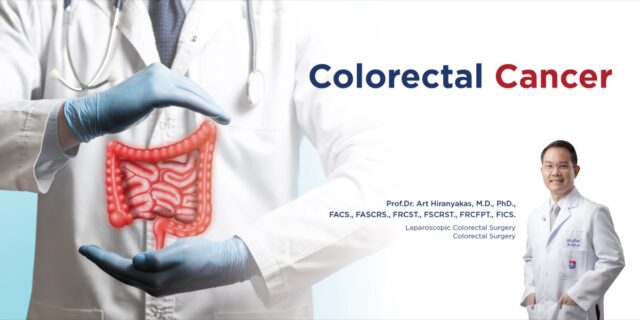
Colorectal Cancer
According to Prof. Dr. Art Hiranyakas, M.D., a colorectal cancer specialist at the Colorectal Disease Institute, Bangkok Hospital Phuket, there are several screening methods for colorectal cancer.

Rectal Bleeding
There is a possibility of hemorrhoid if you passed stools with blood. However, the blood could be a warning sign of other diseases that may begin with bloody stools.

SPHINCTER-SPARING SURGERY
The surgery for rectal cancer is more challenging than the one for colon cancer. Particularly lower rectal cancer when cancer is close
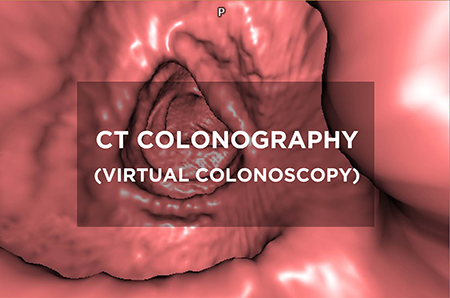
CT Colonography (Virtual Colonoscopy)
Virtual colonoscopy - minimally invasive exam to screen for cancer of the large intestine (colon cancer).
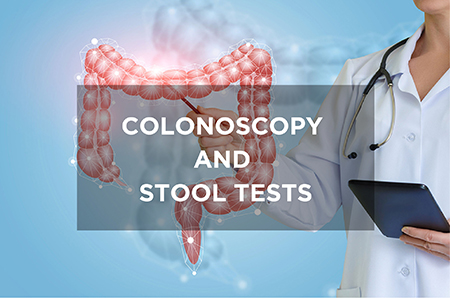
Colonoscopy and Stool tests
Numerous screening tests have been shown to decrease the risk of dying from colorectal cancer.

Mammography
Mammography is specialized medical imaging that uses a low-dose x-ray system to see inside the breasts