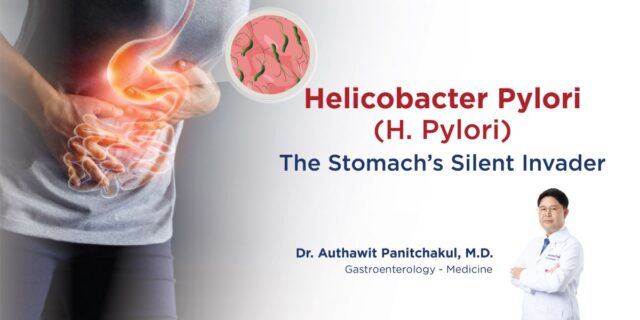


Gastrointestinal oncology (also known as gastroenterology oncology) is the medical specialty dedicated to diagnosing, treating, and preventing cancers of the digestive system—including the esophagus, stomach, liver, gallbladder, pancreas, small intestine, colon, rectum, and anus. It involves a multidisciplinary team of specialists to ensure comprehensive care.
Common Types of GI Cancers
GI cancers can affect any part of the digestive system, including:
| Cancer Type | Common Site(s) | Key Features |
| Esophageal Cancer | Esophagus | Often linked to smoking, alcohol, Barrett’s esophagus |
| Gastric (Stomach) Cancer | Stomach | Associated with H. pylori infection, diet, and genetics |
| Colorectal Cancer | Colon, rectum | Third most common cancer globally; screening is crucial |
| Pancreatic Cancer | Pancreas | Highly lethal; late presentation common |
| Liver Cancer (Hepatocellular Carcinoma) | Liver | Often linked to hepatitis B/C, cirrhosis |
| Gallbladder & Bile Duct Cancer (Cholangiocarcinoma) | Gallbladder, bile ducts | Rare; often diagnosed late |
| Small Intestine Cancer | Small intestine | Rare, often adenocarcinoma or neuroendocrine tumors |
| Anal Cancer | Anus | Linked to HPV infection |
Sources:
- https://www.cancer.org/cancer/types/esophagus-cancer/causes-risks-prevention/risk-factors.html
- https://pmc.ncbi.nlm.nih.gov/articles/PMC2731180
- https://www.cancerresearchuk.org/about-cancer/anal-cancer/risks-causes
Global burden—GI cancers represent a substantial portion of cancer cases and deaths
- In 2018, there were approximately 4.8 million new cases and 3.4 million deaths attributable to GI cancers, accounting for 26% of all cancer incidence and 35% of cancer-related deaths worldwide
- A 2020–2022 analysis estimated over 5 million new cases and 3.5 million deaths globally, reinforcing the major impact of GI malignancies and highlighting their significant contribution to morbidity and mortality.
GI malignancies include esophageal, gastric, colorectal, pancreatic, hepatobiliary, small intestine, neuroendocrine, GISTs, and anal cancers. Gastric adenocarcinoma alone comprises ~90–95% of stomach cancer cases
GI cancers account for nearly 20% of cancer cases in the U.S., with rising incidence projected for colorectal, pancreatic, gastric, and liver cancers
Sources:
- https://www.iarc.who.int/news-events/global-burden-of-5-major-types-of-gastrointestinal-cancer
- https://pubmed.ncbi.nlm.nih.gov/39802976
- https://www.ncbi.nlm.nih.gov/books/NBK65730/
- https://ascopubs.org/doi/10.1200/JCO.22.00601
Risk Factors
- Lifestyle: Tobacco use, alcohol consumption, diet high in red/processed meats, obesity
- Infections: Helicobacter pylori, hepatitis B and C, HPV
- Genetics: Lynch syndrome, familial adenomatous polyposis (FAP), BRCA mutations
- Medical Conditions: Inflammatory bowel disease (IBD), cirrhosis, Barrett’s esophagus
Notably, early-onset GI cancers (especially colorectal but also gastric, pancreatic, and esophageal) are increasing sharply among adults under 50—by ~15% overall, with a 185% surge in U.S. individuals aged 20–24—linked to lifestyle and metabolic factors
Source:
Symptoms
Symptoms vary by cancer type but may include:
- Abdominal pain or discomfort
- Unintended weight loss
- Changes in bowel habits (diarrhea, constipation, blood in stool)
- Difficulty swallowing
- Jaundice (yellowing of skin/eyes)
- Fatigue
Prevention & Screening
- Colon Cancer: Regular colonoscopy starting at age 45–50 or earlier for high-risk individuals
- Lifestyle Modifications: Healthy diet, exercise, avoiding tobacco/alcohol
- Vaccinations: Hepatitis B (liver cancer), HPV (anal cancer)
- H. pylori Eradication: Can reduce gastric cancer risk
Chemoprevention with aspirin/NSAIDs shows benefit in reducing colorectal cancer incidence by 20–40% in average-risk individuals and up to 60% in Lynch syndrome carriers—but must be weighed against bleeding risk
Source:
Diagnosis
- Imaging: CT, MRI, PET scans, ultrasound
- Endoscopy: Colonoscopy, gastroscopy, ERCP
- Biopsy: Essential for histological diagnosis
- Tumor Markers: CEA, CA 19-9, AFP (supportive but not definitive)
Treatment Approaches
Treatment depends on the type, stage, and patient condition:
- Surgery: Often curative in early-stage disease
- Chemotherapy: Adjuvant, neoadjuvant, or palliative
- Radiation Therapy: Especially in esophageal, rectal, and anal cancers
- Targeted Therapy: EGFR inhibitors, VEGF inhibitors
- Immunotherapy: PD-1/PD-L1 inhibitors (e.g., pembrolizumab in MSI-H tumors)
- Palliative Care: Focused on quality of life in advanced disease
Prognosis & Emerging Trends
Prognosis varies widely: early-detected colorectal and gastric cancers have favorable outcomes; pancreatic, liver, biliary tract, and metastatic disease carry poorer survival. Precision medicine and molecular profiling (e.g. BRAF-mutated CRC, actionable variants in biliary cancers) and circulating tumor DNA (“liquid biopsy”) are advancing personalized approaches in GI oncology
Source: