


Coronary Artery Disease (CAD)
Coronary Artery Disease (CAD) remains one of the leading causes of death globally. It affects individuals of all ages, particularly those with risk factors such as smoking, high-fat diets, physical inactivity, and chronic conditions like diabetes and hypertension.

Cardiac Arrhythmia: The Silent Threat You Need to Know
Your heart works around the clock, pumping blood to every organ in your body without pause. When that rhythm is disrupted — beating too fast, too slow, or irregularly — it may signal a condition called cardiac arrhythmia.

What is Anthrax?
Learn about anthrax, a life-threatening infection caused by Bacillus anthracis. Recognize early symptoms, transmission routes, and expert-recommended prevention strategies.
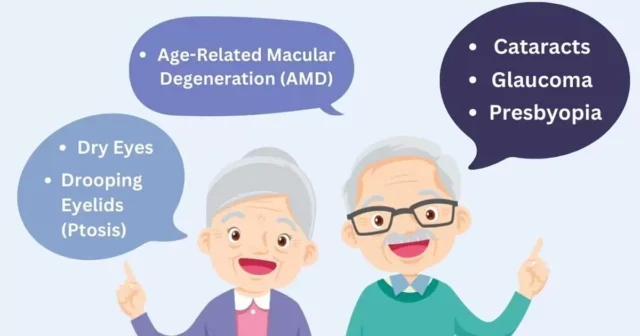
Protect Your Sight: Know the Signs of Common Eye Conditions in Older Adults
As we grow older, our eyes naturally undergo changes — but not all vision changes should be dismissed as “normal aging.”

High-Efficiency Kidney Dialysis (Online Hemodiafiltration)
Kidney failure is a condition where the kidneys lose function irreversibly, leading to the accumulation of waste and excess fluid in the body. Patients may experience symptoms such as anemia, fatigue, dry skin, loss of appetite, nausea, vomiting, high blood pressure, swelling, and shortness of breath.

Post-Earthquake Dizziness Syndrome (PEDS): It's Not Just in Your Head
Feeling dizzy after an earthquake—even when the shaking has stopped—is a real medical condition that affects both the body and mind. This condition is known as Post-Earthquake Dizziness Syndrome (PEDS).
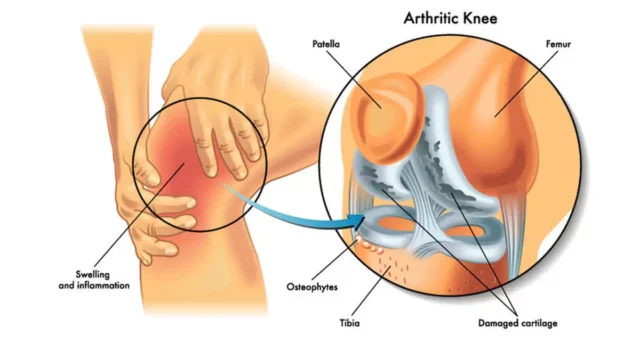
Knee Injuries — It's Not Always Just About the Bone
Knee osteoarthritis is a condition commonly found in older adults, and the number of patients affected continues to grow. The severity varies from person to person.

TOETVA — Scarless Thyroid Surgery Through the Mouth
Have you ever considered thyroid surgery but worried about visible scarring on your neck? Today, a revolutionary technique called TOETVA (Transoral Endoscopic Thyroidectomy Vestibular Approach)

7 Positive Powers of Music
Music helps surgery patients by diverting their attention and reducing their perception of pain.

Increase Brain Efficiency with Music Music Therapy
Music therapy is a professional practice that uses music as a therapeutic medium to achieve various health goals.

BREAST CANCER STAGES EXPLAINED
Non-invasive cancer, where abnormal cells remain in the breast ducts. No spread detected.

Understanding Breast Cancer
Breast cancer is one of the most common cancers among women worldwide, caused by the uncontrolled growth of abnormal breast cells that form malignant tumors.