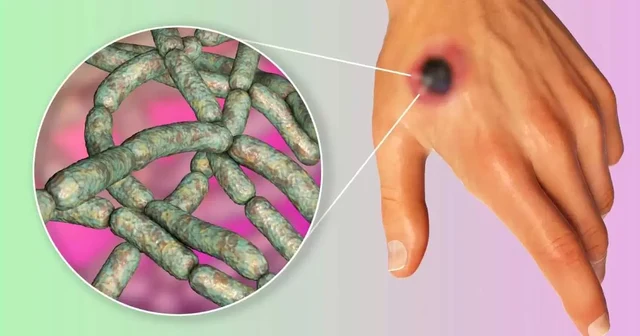
Anthrax is a rare but deadly infectious disease caused by the spore-forming bacterium Bacillus anthracis. These spores can survive in soil and animal products for decades. While anthrax primarily affects livestock (e.g., cattle, sheep), humans can contract it through direct or indirect exposure.
Medical Insight: Delayed treatment increases mortality risk, especially for inhalation anthrax. Early diagnosis is critical.
How is Anthrax Transmitted?
Infection occurs when spores enter the body through:
- Skin contact (Cutaneous Anthrax): Handling contaminated animals, hides, or wool.
- Inhalation (Pulmonary Anthrax): Breathing spores from animal products (e.g., wool processing).
- Ingestion (Gastrointestinal Anthrax): Consuming raw/undercooked meat from infected animals.
- Injection (rare): Using contaminated needles in drug use.
Symptoms by Type of Anthrax
1. Cutaneous Anthrax (Most Common)
- Starts as a painless, itchy bump resembling an insect bite.
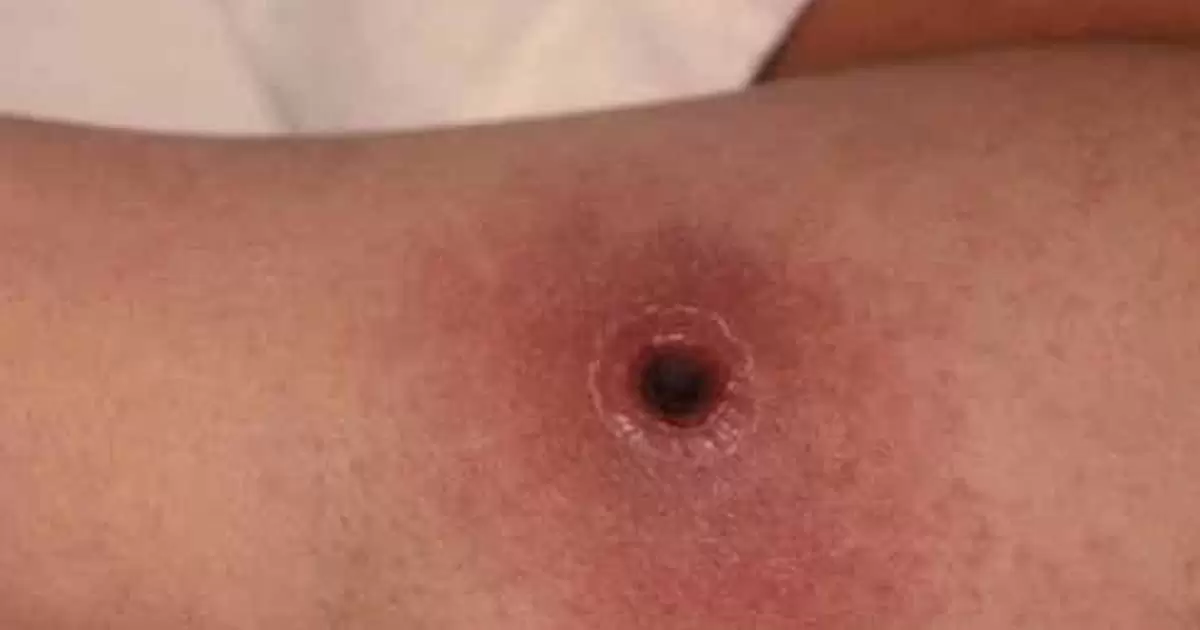
- Develops into a blister, then a black eschar (necrotic ulcer) within 7–10 days.
- Risk: Untreated, 20% of cases progress to bloodstream infection.
2. Inhalation Anthrax (Most Deadly)
- Initial symptoms mimic flu: fever, fatigue, cough, chest discomfort.
- Rapid progression (24–48 hours): Severe breathing difficulty, shock, and often death if untreated.
3. Gastrointestinal Anthrax
- Nausea, vomiting (may include blood), severe diarrhea, abdominal swelling.
- Mortality rate: 25–60% without treatment.
4. Injection Anthrax
- Swelling, abscesses, or ulcers at injection sites.
- Faster spread to organs than cutaneous anthrax.
Diagnosis
- Lab tests: Blood cultures, PCR, or wound swabs to confirm Bacillus anthracis.
- Imaging: Chest X-rays for suspected inhalation cases.
Treatment
- Antibiotics: Immediate use of ciprofloxacin, doxycycline, or penicillin (60-day course for inhalation cases).
- Supportive care: ICU monitoring, ventilator support, and surgery for severe skin lesions.
Prevention Guidelines
- Avoid high-risk exposures.
- Do not handle sick/dead animals without PPE (gloves, masks).
- Never consume raw or undercooked meat from unknown sources.
- Vaccination: Recommended for high-risk groups (veterinarians, lab workers, military personnel).
- Report outbreaks: Notify health authorities if anthrax is suspected in livestock.
FAQ: Addressing Common Concerns
1. “Can I get anthrax from another person?”
– Extremely rare. Requires direct contact with infected wounds or bodily fluids.
2. “Is anthrax contagious like COVID-19?”
– No. It does not spread through casual contact or airborne droplets.
3. “Can cooking kill anthrax spores in meat?”
– Yes. Spores die at 75°C (167°F). However, avoid meat from regions with known outbreaks.
Critical Reminder
Anthrax symptoms often escalate rapidly. Seek emergency care immediately if you:
- Develop a painless ulcer after animal contact.
- Experience flu-like symptoms + sudden breathing difficulty.
Bangkok Hospital Pattaya’s Infectious Disease Team offers 24/7 consultations. Call 0 3825 9986 for urgent assistance.