


High Blood Cholesterol (Hyperlipidemia): Causes, Risks, and How to Manage It
High blood cholesterol is a starting point for several serious diseases. Understanding what it is, what causes it, and how to manage it can make a significant difference to your long-term health.

Lifestyle Changes for a Healthier Heart
Cardiovascular disease is one of the top three leading causes of death worldwide. Even with advanced treatments such as Percutaneous Coronary Intervention (PCI) or Coronary Bypass Surgery, these procedures do not cure the disease permanently — patients can and do relapse.
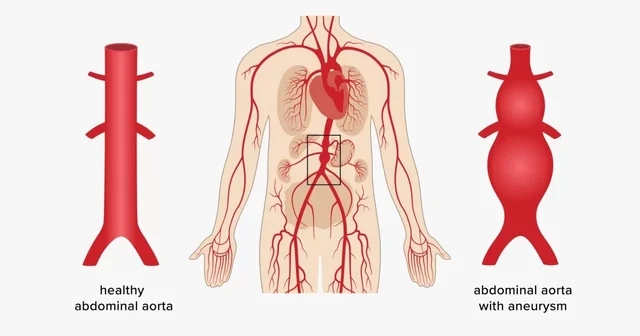
Abdominal Aortic Aneurysm (AAA): The Silent Killer You Need to Know About
The aorta is the largest artery in the body, running from the center of the chest down through the abdomen, carrying oxygen-rich blood from the heart to the rest of the body.

How to avoid a Heart Attack
We all have to die of something and if you are between 50 and 60 years of age you are most likely to die from a coronary occlusion.
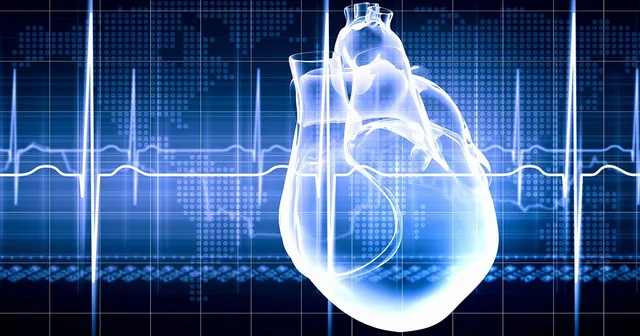
Cardiac Electrophysiology Study (EPS) and Ablation Therapy: What You Need to Know
A Cardiac Electrophysiology Study (EPS) is an invasive procedure that evaluates the electrical signals and pathways within the heart.
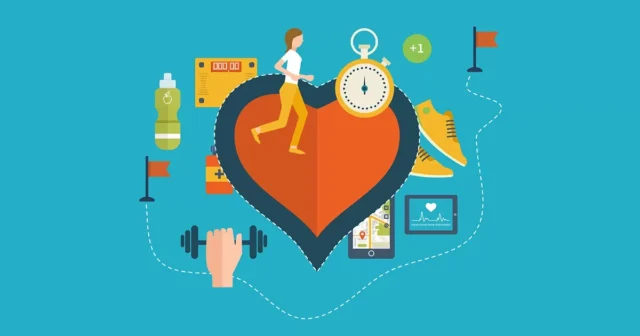
Tinkering with your ticker
Hands up all those who said Cigarette smoking! You are correct.

Why CT Calcium Scoring is Recommended
Because the calcium in the coronary artery wall can cause constriction or blockage of the coronary arteries which cause myocardial infarction.
World Heart Day
This month has World Heart Day. I know that there are all sorts of “world” days for us to celebrate such as
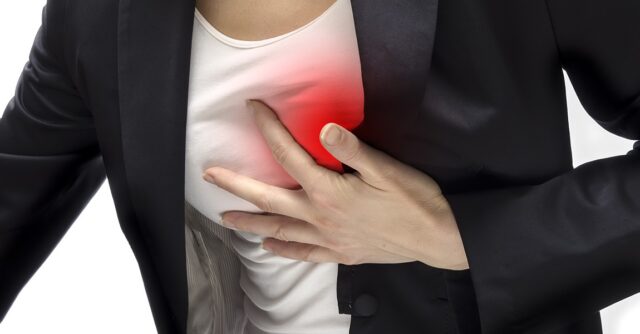
Heart Attacks!
My father died of a heart attack. It was his third heart attack, and was his final one. He was 56 years of age, and the year was 1976.
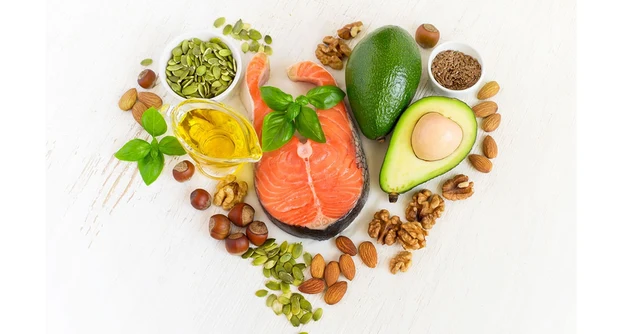
Heart-Healthy Eating to Reduce the Risk of Coronary Artery Disease
If heart disease runs in your family, do not wait. Small changes made today can significantly reduce your risk tomorrow.
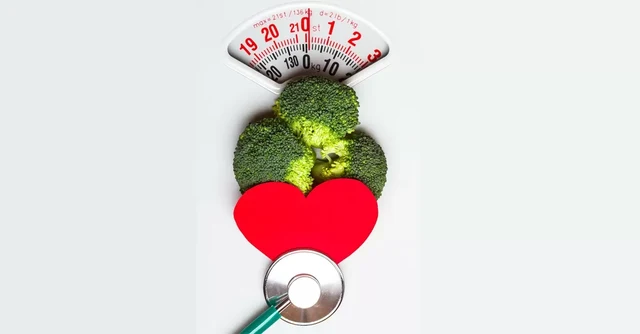
Preventing Cardiovascular Disease: What You Need to Know
The heart and blood vessels work together continuously, delivering oxygen and nutrients to every part of the body — including the heart itself. When this system is not well maintained, serious and life-threatening conditions can develop.

Eat Well, Lower Your Blood Pressure: Tips You Should Not Miss
Managing high blood pressure is not just about medication. The right diet plays a powerful role in keeping blood pressure under control and supporting long-term heart health.