

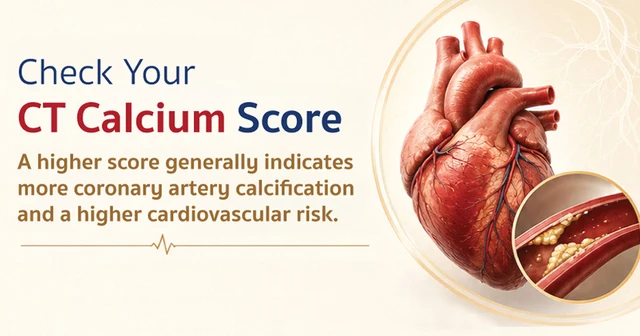
Check Your CT Calcium Score
A higher score generally indicates more coronary artery calcification and a higher cardiovascular risk.

ECMO: A Greater Chance For Critically Ill Patients
Medicine has come a long way. Where epidemics once claimed countless lives, we now have vaccines, effective antibiotics, advanced surgical techniques, and most recently, AI and robotics to help improve patient outcomes.
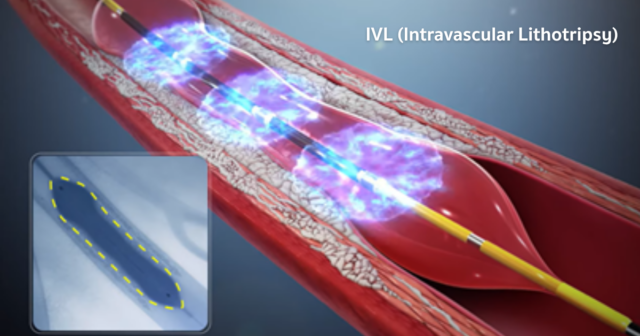
IVL (Intravascular Lithotripsy) Technology
A new treatment option for severely calcified coronary artery disease — breaking down deep calcium deposits with shockwaves, without damaging heart tissue.
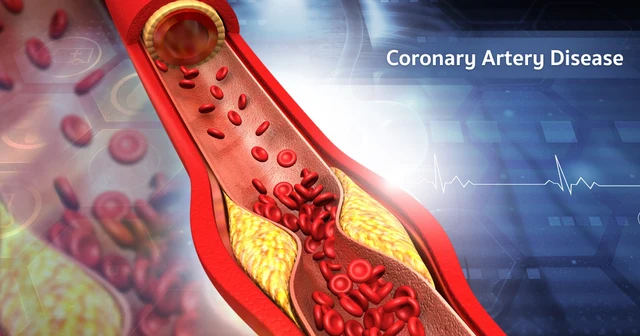
Coronary Artery Disease: The Silent Threat
Have you ever felt chest tightness, as if something is pressing down during physical activity, or felt unusually short of breath? These aren't ordinary symptoms

myPatch SL Holter Monitoring
myPatch SL Holter Monitoring is an advanced wearable ECG patch designed to continuously monitor your heart rhythm for 24 hours or longer. This modern Holter monitor helps detect irregular heartbeats (arrhythmias) that may not be captured during a routine ECG performed at the hospital.

High Blood Pressure: Not Just Lifestyle — It Could Be a Hidden Hormonal Disorder
Many cases of secondary hypertension can be treated at the root cause — or even cured surgically. Getting the right diagnosis makes all the difference. If you or someone close to you has unusually difficult-to-control blood pressure, do not ignore it. Consult a specialist for a thorough evaluation.
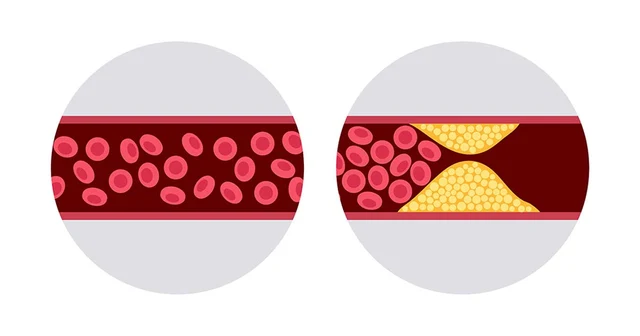
Lipoprotein (a) or Lp(a): A Hidden Danger You Shouldn't Ignore
Lipoprotein (a) or Lp(a) (pronunciation: L-P-little-A) is a fat-carrying protein that transports cholesterol in the blood. Therefore, if there is an excessive amount of Lp(a) in the blood, it can cause fat to accumulate on blood vessel walls and increase the risk of Coronary artery disease, Cerebrovascular disease (stroke), Peripheral artery disease, Aortic valve stenosis
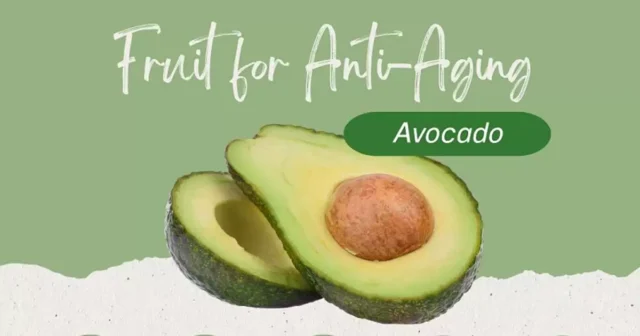
Avocados: The Anti-Aging Superfood Your Body Will Thank You For
When it comes to foods that do it all—avocados top the list. Creamy, rich, and incredibly versatile, this green fruit is more than a trendy breakfast item. It's a natural source of age-defying nutrients that help your body look and feel its best every day.
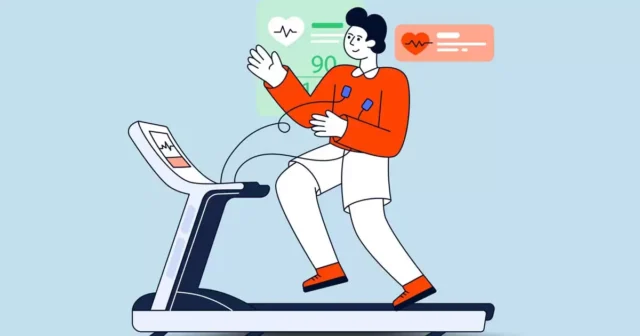
Understanding the Exercise Stress Test (EST)
An Exercise Stress Test reveals how your heart responds to effort - helping detect hidden risks and guide your path to better heart health.

Coronary Artery Disease (CAD)
Coronary Artery Disease (CAD) remains one of the leading causes of death globally. It affects individuals of all ages, particularly those with risk factors such as smoking, high-fat diets, physical inactivity, and chronic conditions like diabetes and hypertension.
Cardiac Arrhythmia: The Silent Threat You Need to Know
Your heart works around the clock, pumping blood to every organ in your body without pause. When that rhythm is disrupted — beating too fast, too slow, or irregularly — it may signal a condition called cardiac arrhythmia.

4 Common Heart Diseases and How Exercise Can Help
Thailand's changing lifestyle — increasing financial stress, rushed daily routines, and a shift toward fast food over vegetables — has driven a sharp rise in heart disease deaths. According to the Department of Disease Control 2023