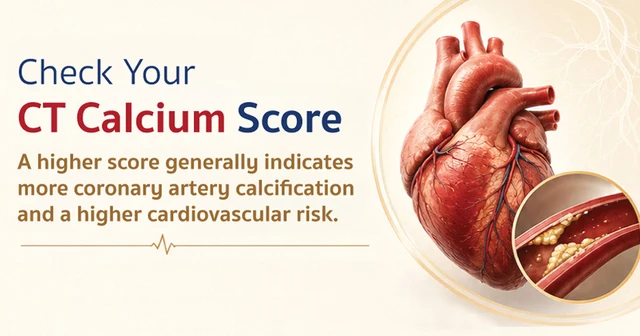


Thailand’s changing lifestyle — increasing financial stress, rushed daily routines, and a shift toward fast food over vegetables — has driven a sharp rise in heart disease deaths. According to the Department of Disease Control 2023, cardiovascular disease is the leading cause of death in Thailand, claiming 8 lives every hour. Here is what you need to know.

What are the 4 common types of heart disease?
1. Coronary Artery Disease (Myocardial Ischemia)
Caused by narrowing or blockage of the coronary arteries that supply blood to the heart muscle. Symptoms include tightness, pressure, or burning in the chest, which may radiate to the arm, neck, jaw, or chin. Severe cases bring fatigue, sweating, fainting, palpitations, and potentially sudden death. If chest pain lasts more than 15–20 minutes or is accompanied by other symptoms, go to hospital immediately.
2. Congenital Heart Disease
A structural abnormality that develops during fetal development, particularly within the first 3 months of pregnancy. It may involve holes in the heart wall, narrowed or leaking heart valves, or blood vessels in the wrong position.

3. Rheumatic Heart Disease
Most common in children aged 7–15, caused by beta-hemolytic Streptococcus bacteria. Repeated infections trigger inflammation in the joints, brain, heart muscle, and heart valves. Over time, scar tissue forms on the valves, causing them to narrow or fail to close properly.
4. Hypertensive Heart Disease
Blood pressure consistently above 140/90 mmHg is considered elevated. When it exceeds 160/95 mmHg over a prolonged period, the heart must work harder, causing the heart muscle to thicken and the heart to enlarge — leading to heart failure, easy breathlessness, swollen feet, inability to lie flat, and increased risk of coronary artery disease.

Who is most at risk?
Men are at higher risk than women. Key warning signs to watch for include chest pain and easy fatigue, particularly during physical activity. If these occur, consult a cardiologist promptly for proper diagnosis.
Can heart patients exercise?
Yes — and they should. It is a common misconception that heart patients must avoid all exercise. Appropriate, medically supervised exercise is beneficial for the heart. The type and intensity of exercise should be individually tailored by a cardiac rehabilitation specialist, who will assess the patient’s condition, monitor heart rate, identify warning signs, and conduct fitness tests before and after exercise.
General exercise guidelines for heart health
- Choose aerobic exercise — walking, jogging, swimming, or stationary cycling
- Skip exercise if you have a fever, diarrhea, or inadequate sleep
- Aim for 20–30 minutes per session, 3–5 days per week, at a consistent time each day
- Wait at least 1.5–2 hours after eating before exercising
- Exercise in well-ventilated, uncrowded spaces — not too hot or too cold
- Stay well hydrated before, during, and after exercise
- Breathe normally throughout — you should be able to hold a conversation without gasping
- Always warm up before and cool down after every session
- Wear breathable clothing and comfortable footwear
- Heart patients should carry sublingual or spray vasodilator medication at all times and stop immediately if chest pain occurs during exercise
- Having an exercise partner is strongly recommended
What are the benefits of exercise for heart patients?
Regular exercise improves the body’s ability to use oxygen efficiently, which translates to measurable benefits including:
- Reduced symptoms of coronary artery disease
- Better management of diabetes, high blood pressure, and abnormal blood lipids
- Improved blood clot-dissolving capacity
- Healthier blood vessel wall function
- Better ability to carry out daily activities
- Improved mental wellbeing and overall quality of life
Overall, regular exercise has been shown to reduce both mortality and disability in heart patients.
For personalized exercise guidance, consult a cardiac rehabilitation specialist at the Cardiac Rehabilitation Center, Bangkok Hospital Pattaya.