
Medicine has come a long way. Where epidemics once claimed countless lives, we now have vaccines, effective antibiotics, advanced surgical techniques, and most recently, AI and robotics to help improve patient outcomes. Yet no matter how sophisticated our technology becomes, the human body remains the same. In many cases, illness strikes so severely and so fast that antibiotics, surgery, or other treatments simply cannot act in time — and critically ill patients may not survive. Today, ECMO has proven itself as a way to sustain critically ill patients, buying them the time they need to receive the right treatment.
What is ECMO?
ECMO, or Extracorporeal Membrane Oxygenation, is a medical device used to support the heart and lungs in patients experiencing severe cardiac or respiratory failure. It works by adding oxygen to the blood and removing carbon dioxide outside the patient’s body through a pump and an artificial lung — ensuring the body continues to receive sufficient oxygen when the heart or lungs can no longer function normally. This gives patients the time needed to recover or to safely manage their critical condition.
Who Can Benefit from ECMO – and When Is It Used?
ECMO is considered for patients whose heart or lungs have failed to a point where conventional treatments can no longer keep up. Two of the most critical scenarios include:
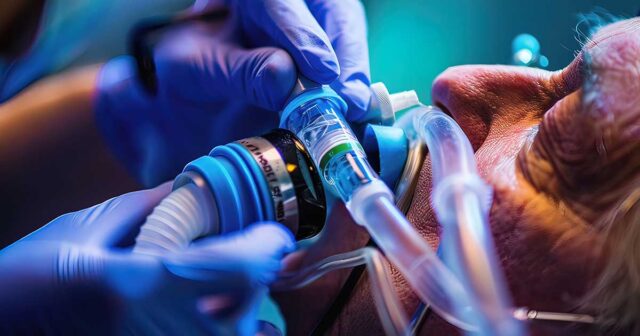
- Severe lung failure — such as a patient with a serious infection in both lungs, where even the most advanced ventilator cannot deliver enough oxygen to the body.
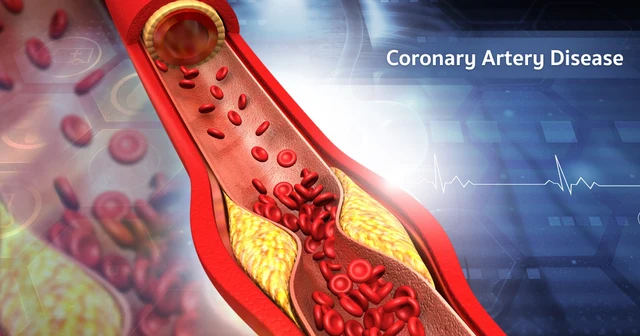
- Cardiac collapse — such as a patient suffering a sudden coronary artery blockage leading to a heart attack and complete circulatory failure, where the heart barely contracts or stops altogether, cutting off blood supply to the brain, kidneys, and other vital organs — unresponsive to any medication.
In the past, there was little more doctors could do for these patients than hope and wait. Today, ECMO gives them a fighting chance – buying precious time for the body to recover and significantly increasing the odds of survival.
ECMO Transportation: Moving Critical Patients Safely
One of the significant advantages of ECMO is that it stabilizes a patient’s oxygen levels and blood pressure, making safe transport possible even in the most critical conditions. When necessary, a specialist team can transfer the patient by ambulance, helicopter, or even aircraft to a hospital or medical center with greater capabilities for advanced procedures or heart and lung transplants.
Previously, transporting critically ill patients in such conditions carried extremely high risks, including the possibility of death during transfer. With ECMO, what was once considered too dangerous is now a viable and potentially life-saving option — ensuring patients can reach the care they need, no matter where that care may be.
The Right Hands, The Right Place
ECMO offers a lifeline to critically ill patients — but it is not a treatment that can be administered anywhere or by anyone. Its success depends on being used only when clearly indicated, and carried out by a dedicated multidisciplinary team of experienced professionals, including cardiologists, pulmonologists, surgeons, and ECMO specialists. Equally important is the hospital itself — which must be fully equipped, prepared, and capable of supporting this advanced level of care from start to finish.