.jpg)

1. What is Lipoprotein (a) or Lp(a)?
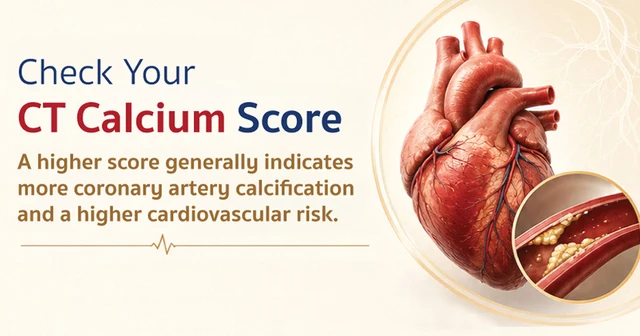
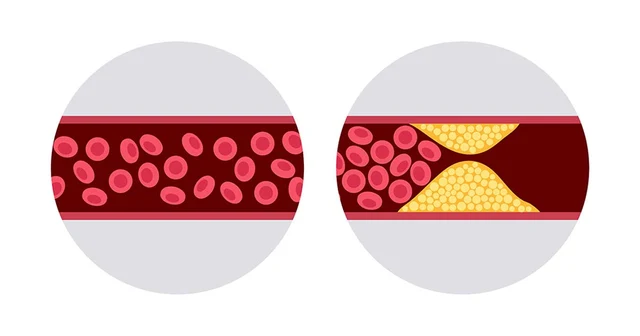
Lipoprotein (a) or Lp(a) (pronunciation: L-P-little-A) is a fat-carrying protein that transports cholesterol in the blood. Therefore, if there is an excessive amount of Lp(a) in the blood, it can cause fat to accumulate on blood vessel walls and increase the risk of:
- Coronary artery disease
- Cerebrovascular disease (stroke)
- Peripheral artery disease
- Aortic valve stenosis
2. If Lipoprotein (a) is high, will there be any abnormal symptoms?
- Most people will not have any symptoms and are generally unaware that they are at risk.
3. How common is high Lipoprotein (a), and who should get tested?
- Approximately 1 in 5 people have elevated Lipoprotein (a) levels
- Testing is recommended for high-risk groups for coronary artery disease, such as:
- Family history of heart disease
- Family history of high Lp(a) or high cholesterol
- Patients with high LDL cholesterol levels
- Recurrent coronary or cerebrovascular events despite good control of other risk factors
- It is recommended to test Lp(a) at least once in your lifetime
4. What Lipoprotein (a) level is considered high?
- Lipoprotein (a) less than 30 mg/dL: Normal range
- Lipoprotein (a) between 31-50 mg/dL: Moderate risk for cardiovascular disease
- Lipoprotein (a) above 50 mg/dL: High risk for cardiovascular disease
- Lipoprotein (a) above 70 mg/dL: Very high risk for cardiovascular disease and increased mortality from heart and brain vascular diseases
5. If Lipoprotein (a) levels are high, how should it be treated?
Currently, there is no approved medication specifically to reduce Lipoprotein (a). However, cardiovascular disease risk can be reduced through:
- Control other lipid levels such as LDL or triglycerides to appropriate levels using medications like statins, etc.
- Maintain blood sugar levels within appropriate ranges
- Keep blood pressure within appropriate ranges
- Eat a balanced diet from all 5 food groups
- Maintain a healthy body weight
- Exercise regularly, at least 30 minutes per day or 150 minutes per week
- Control risky behaviors such as quitting smoking and avoiding alcohol
- Get adequate sleep and rest
6. If you have questions about Lipoprotein (a) testing, what should you do?
- For inquiries about Lipoprotein (a) testing or advice regarding cardiovascular risk, please contact the Heart Center, Bangkok Hospital Pattaya at +66 3825 9229.

Reference:
- Cleveland Clinic. Lipoprotein (a) [Internet]. Cleveland (OH): Cleveland Clinic; [updated 2023 Aug 31; cited 2025 Jan 21]. Available from: https://my.clevelandclinic.org/health/articles/25226-lipoprotein-a
- Nordestgaard BG, Langsted A. Lipoprotein(a) and cardiovascular disease. The Lancet. 2024;404(10459):1255–1264. doi:10.1016/S0140-6736(24)01308-4.
- American Heart Association. What is Lp(a)? [Internet]. Dallas (TX): American Heart Association; 2024 [cited 2025 Jan 21]. Available from: https://www.heart.org/en/-/media/Files/Health-Topics/Cholesterol/What-is-Lpa.pdf?sc_lang=en