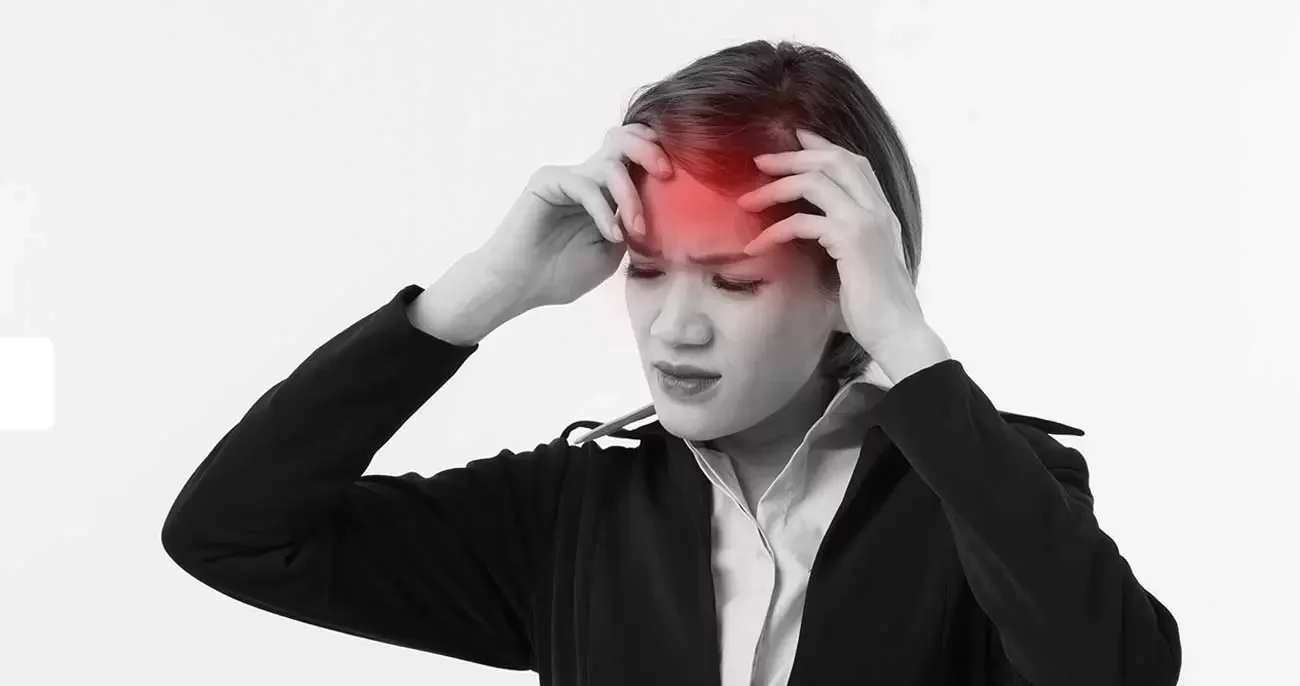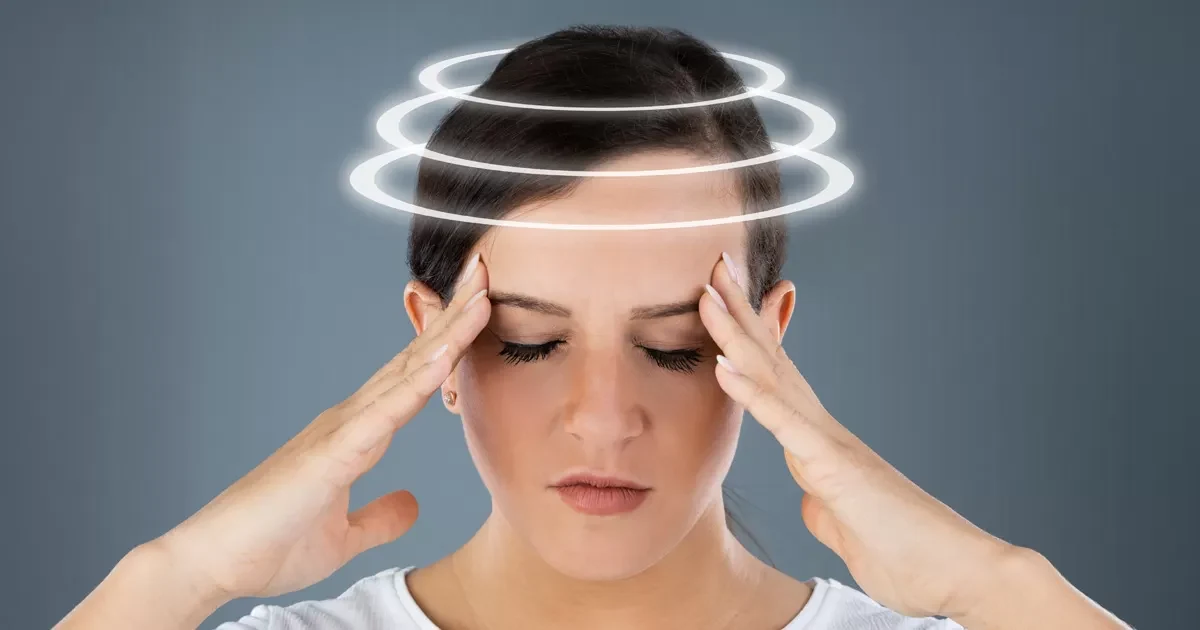
Migraines are a neurological condition that affect women up to three times more than men. The reasons are linked to hormonal changes, brain chemistry, stress, and lifestyle factors. Understanding these causes can help in better managing and reducing the burden of migraines in women.

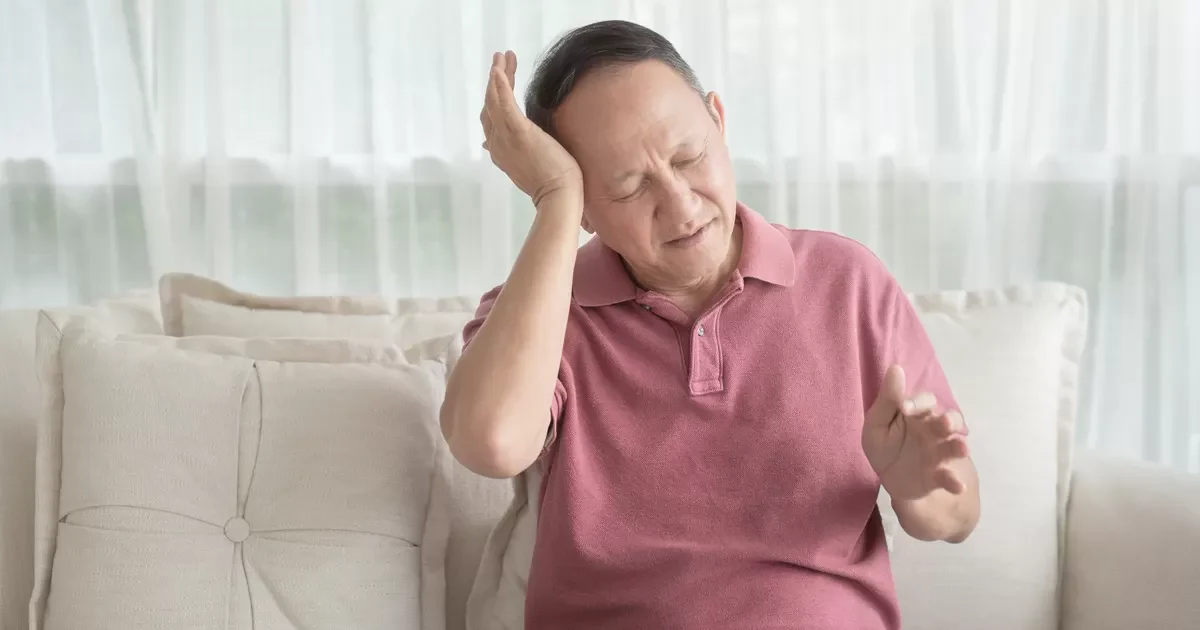
One-sided headaches are common across all age groups. Many people dismiss them as stress or lack of sleep, but in some cases, they can be warning signs of something far more serious.

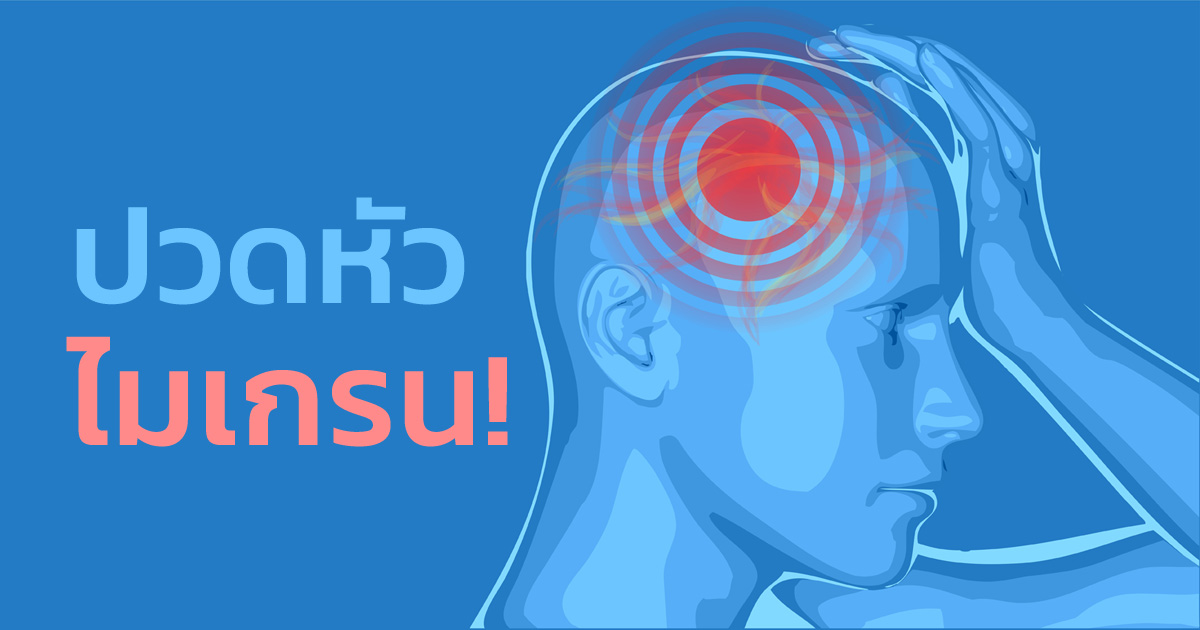
Migraine is a common chronic headache condition that occurs in episodes, characterized by a throbbing pain — usually on one side — accompanied by other symptoms such as nausea, vomiting, and sensitivity to light or sound.

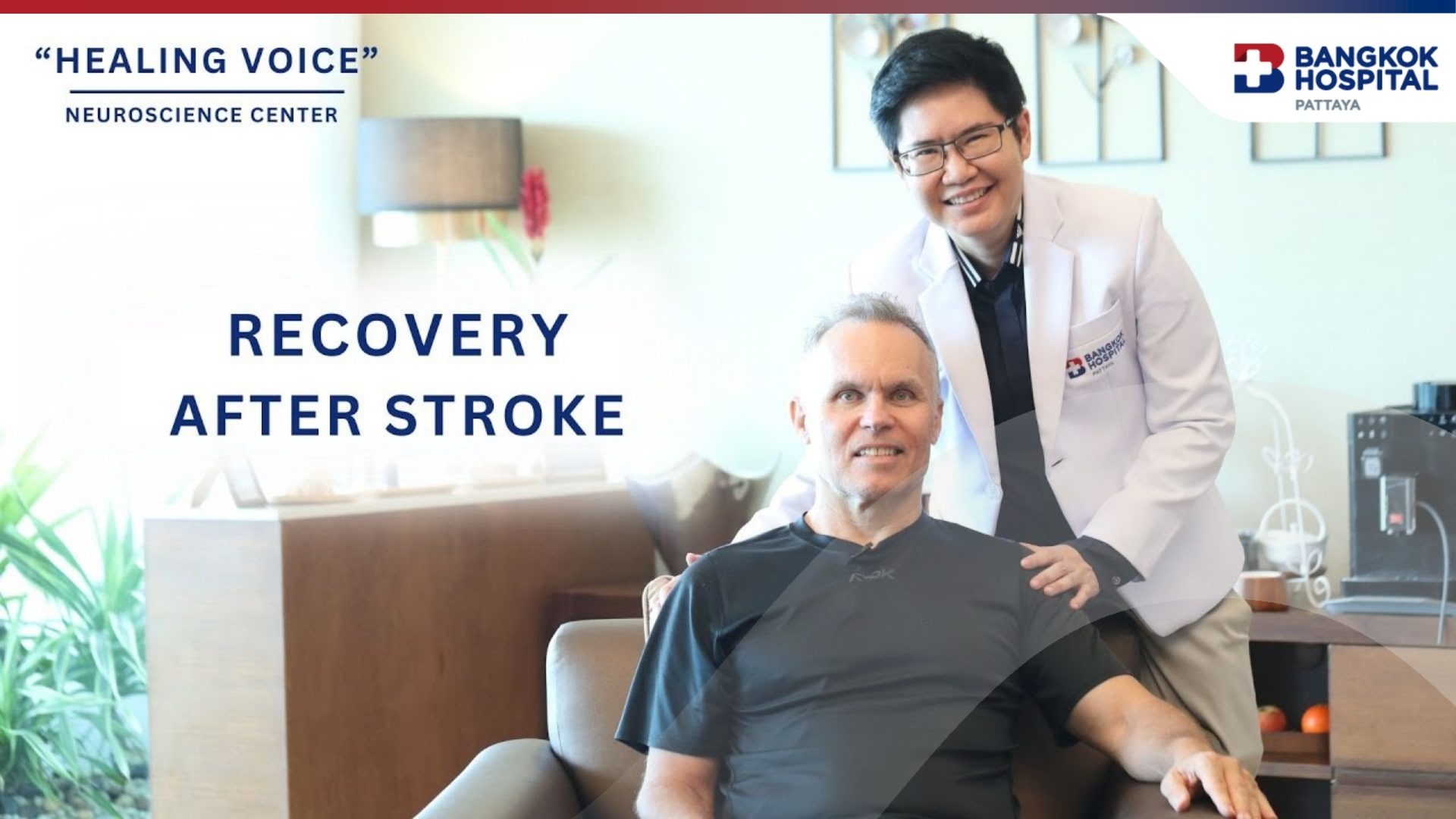
Patient Recovery Journey: Post-Stroke Rehabilitation Success Following a stroke, this patient received comprehensive rehabilitation care under Dr. Kriththa (Sirinat) Puengcharoen

Migraines are a specific type of headache with unique symptoms, causes, and treatments that set them apart from ordinary headaches. Understanding what a migraine headache really is can help you recognize the signs, identify possible triggers, and find the best ways to manage and prevent them.

A 65-year-old female patient with a history of high blood pressure came to the emergency room experiencing dizziness, followed by double vision and weakness on the right side of her body. She was diagnosed with a cerebral infarction in the brainstem.

When a stroke strikes—whether from a ruptured or blocked blood vessel in the brain—every second counts. Delayed treatment can lead to permanent disability or even death. In this article

Stroke is a serious health threat that must be recognized promptly. Understanding its causes, symptoms, and prevention methods can help you protect your health and potentially save lives.