




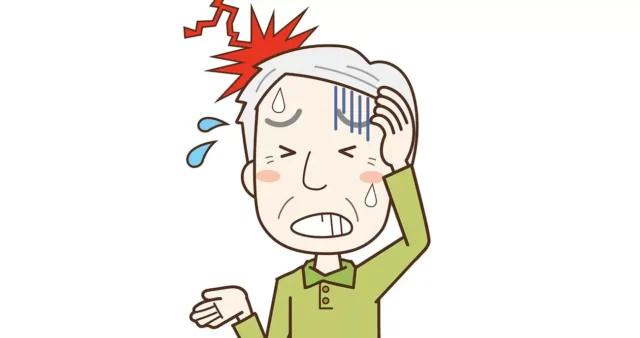
Migraine is a common chronic headache condition that occurs in episodes, characterized by a throbbing pain – usually on one side -accompanied by other symptoms such as nausea, vomiting, and sensitivity to light or sound. Some people may experience warning signs beforehand, such as seeing flashing lights or visual disturbances, known as an Aura.
How Does Migraine Occur?
Although the exact cause is not fully understood, medical theories explain it as follows:
-
Changes in Brain Chemicals
Particularly serotonin, which plays a role in regulating mood, pain, and blood vessels. When serotonin levels drop, brain blood vessels may dilate and stimulate the trigeminal nerve, triggering pain.
-
Nerve Inflammation in the Brain
Particularly the trigeminal nerve, which transmits pain signals to the brain, resulting in severe headache.
-
Cortical Spreading Depression
An electrical wave that spreads across the outer layer of the brain, causing aura symptoms followed by vascular changes.
What Triggers a Migraine?
Triggers vary from person to person, but common ones include:
- Stress or insufficient rest
- Hormonal fluctuations, such as before menstruation
- Certain foods such as chocolate, cheese, fermented foods, or MSG
- Bright lights, loud noises, or strong smells
- Weather or air pressure changes
- Skipping meals or not drinking enough water
- Irregular sleep or oversleeping
How Can You Prevent a Migraine?
While migraines cannot be completely cured, their frequency can be controlled and reduced:
-
Avoid Triggers
Keep a Migraine Diary to identify your personal triggers.
-
Get Enough Sleep
Aim for at least 6–8 hours per night and maintain a consistent sleep schedule.
-
Stay Hydrated
Dehydration can trigger migraines.
- Exercise Regularly
Such as brisk walking, swimming, or yoga. Avoid intense activities that may trigger migraines.
- Manage Stress
Use relaxation techniques such as meditation, deep breathing, or acupressure massage.
- Medication
- Pain relievers (e.g., NSAIDs, Triptans)
- Preventive medications (e.g., anticonvulsants, antidepressants, blood pressure medications) for frequent migraines
- Preventive injections (CGRP monoclonal antibodies) for those who do not respond to oral medication
When Should You See a Doctor?
- Headaches occurring more than 4 times per month
- Pain so severe it disrupts daily life
- Headache accompanied by other symptoms such as limb weakness, slurred speech, or visual disturbances
- New or unusual symptoms never experienced before, such as headaches upon waking, double vision, or seizures