


Translated by AI
Gastric disease, suffering from pain, do not ignore
One of the common diseases like gastritis often causes annoyance in life. However, many people tend to neglect the symptoms of gastritis because the pain comes and goes. When the symptoms disappear, they do not visit a doctor for treatment, leading to the development of a chronic disease and increasing the long-term risk.

HYDROGEN BREATH TEST: DISCOVERING THE CAUSE OF BLOATING
When you suffer from bloating or abdominal discomfort for no reason and the symptoms still remain even after treatments, Hydrogen Breath Test (HBT) can help you discover the root cause.

What You Should Know Before Upper Abdominal Endoscopy
If you experience consistent upper abdominal pain as well as other abnormalities in your digestive system, you need to have upper endoscopic examination to determine, evaluate and treat your problems from an early stage so you restore your quality of life right away.

Urea Breath Test
Helicobacter Pylori (H. Pylori) is very harmful to the stomach and can cause gastritis, stomach ulcer or cancer. Therefore, breath test for H. Pylori infection in the stomach or C-13 UBT is very important for accurate diagnosis.

Binge Eating: Joy of Life or A Disease
Binge eating may be a sign of silent disorder which will be harmful if leave unattended. Watch for any sign or eating abnormalities before it’s too late.

Translated by AI
What is gastroscopy and colonoscopy, and why do they need to be checked?
Understand the importance of gastroscopy and colonoscopy in detecting early abnormalities, stomach or colon cancer, and polyps before symptoms worsen.

Protect Yourself – Get vaccinated against hepatitis A and hepatitis B
Hepatitis is highly prevalent worldwide. The disease is widely defined as an inflammation of the liver that can cause a range of health problems.

Translated by AI
Liver fibrosis and fat accumulation measurement - painless and quick results
Measurement of liver fibrosis and fat accumulation helps assess and show the amount of fat accumulated in the liver, allowing patients at risk of fatty liver (Fatty Liver) to be evaluated at the same time in a single session, without experiencing pain or any complications during the examination or afterward.

Biofeedback Training: Stay away from constipation.
Constipation is one of the most common health-related problems that largely interferes daily life in many people. Minor health problem like constipation might turn to be “more serious” if it is left untreated. Besides taking laxative drugs, an effective treatment approach for constipation is “Anorectal Biofeedback Training”.

Constipation might be serious. It should not be left untreated.
Although occasional constipation is very common, some people may experience chronic constipation that largely interferes with their daily tasks. Chronic constipation may also cause excessive straining and pain to have a bowel movement.
Translated by AI
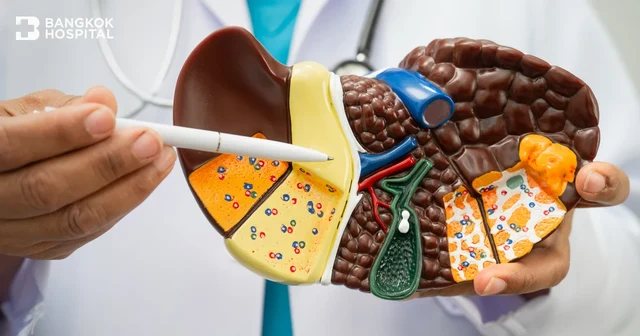
Fatty Liver Disease: Check Causes, Symptoms, Treatment Methods
Fatty liver is a condition in which fat accumulates, mostly in the form of triglycerides, in liver cells; that is, there is an excess amount of sugar in the body beyond what is needed, so the liver converts it into fat.