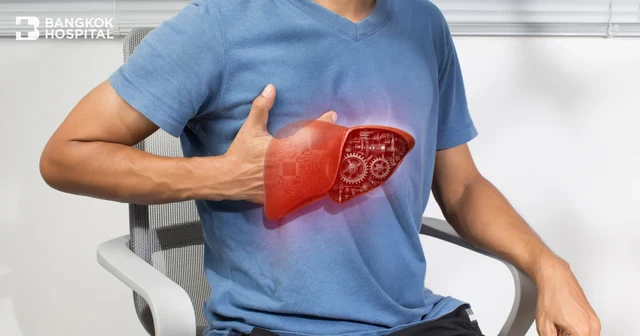


Hepatitis is highly prevalent worldwide. The disease is widely defined as an inflammation of the liver that can cause a range of health problems. The five primary hepatitis viruses that have been identified as pathogenic causes are A, B, C, D and E. If hepatitis develops, it affects liver cells and causes inflammation, resulting in impaired liver function. If left untreated, chronic hepatitis increases risks of developing cirrhosis –a condition that causes permanent scars in the liver, liver failure and eventually liver cancer. The hepatitis vaccine is highly effective and safe. It helps protect against certain hepatitis infections and complications such as permanent liver damage, which can lead to liver cancer and death. Besides good hygiene practice, vaccination against hepatitis is highly recommended.
Get to know hepatitis A
Hepatitis A is a highly contagious liver infection caused by the hepatitis A virus. The virus causes liver inflammation and affects liver’s ability to function. People are most likely to get hepatitis A from eating contaminated food or drinking contaminated water or from close contact with a person or object that is infected. When hepatitis A viruses pass into the bloodstream and the liver through the lining of intestine, they cause acute infection and inflammation, presenting with fatigue, malaise, abdominal pain or discomfort, fever, loss of appetite and jaundice –yellowing of the skin and the whites of eyes. These signs and symptoms usually exhibit 2-4 weeks after exposure to the viruses. Mild cases of hepatitis A do not require treatment. Most people who are infected recover completely with no permanent liver damage and a lifelong immunity.
People who should get hepatitis A vaccine
Practicing good hygiene and frequent hand washing are the best ways to protect against hepatitis A. Hepatitis A vaccine is suggested for the following people:
- All children at age 1
- Patients with chronic liver disease, including hepatitis B or hepatitis C
- Family, caregivers or people in direct contact with others who have hepatitis A
- Men who have sex with men
- People who use any type of illicit drugs
- Chefs who regularly cook foods
- People who work or travel in parts of the world where hepatitis A is common should get vaccination 1 month before traveling.
People who are eligible for hepatitis A vaccine
- Children aged over 1
- People who do not have immunity against hepatitis A
Administration of hepatitis A vaccine
- The hepatitis A vaccine is typically given in two shots. The first one is followed by a booster shot 6-12 months later.

Get to know hepatitis B
Hepatitis B is a serious liver infection caused by the hepatitis B virus which is a major cause of chronic liver disease worldwide, especially in Africa and Asia, including Thailand. Chronic hepatitis B is strongly associated with hepatic fibrosis and development of liver cancer. The virus is passed from person to person through blood, semen, saliva or other body fluids. Common routes of transmission that hepatitis B virus can spread are:
- Mother to child during childbirth;
- Direct contact with blood or open wound of infected person;
- Sexual contact and
- Sharing certain equipment that can spread the virus e.g. needles and toothbrushes. In addition, hepatitis B is a concern for health care workers and anyone else who come in contact with human blood.
After being infected and acute hepatitis B develops, the immune system can usually get rid of viruses from the body. Some people have complete recovery within a few months with a lifelong immunity. However, chronic hepatitis B lasting six months or longer might develop in some cases since the immune system cannot fight off the infection. Chronic hepatitis B infection may last a lifetime, possibly leading to serious illnesses, such as cirrhosis, liver failure and liver cancer.
Most adults with hepatitis B infection fully recover, although their signs and symptoms are severe. Infants and children are more likely to develop a chronic hepatitis B infection.
People who should get hepatitis B vaccine
Hepatitis B vaccine is recommended for:
- All newborns and children or adolescents who are not vaccinated at birth
- Patients with chronic liver disease
- People who live or have direct contact with someone who has hepatitis B
- Men who have sex with men or people who have multiple sexual partners
- Patients with end-stage kidney disease who need hemodialysis
- Patients who usually require blood transfusion
- People who inject illegal drugs or share needles and syringes
- Travelers or workers planning to go to certain areas of the world with high hepatitis B infection rates
People who are eligible for hepatitis B vaccine
- Newborns can be given the first dose of hepatitis B vaccine at birth.
- Newborns can be given the first dose of hepatitis B vaccine at birth.
Administration of hepatitis B vaccine
- The hepatitis B vaccine is typically given as three injections over six months.
- The second dose is given 1-2 months after the first dose.
- The third dose is given 6 months after the first dose
Hepatitis A and B vaccines are highly effective to protect against hepatitis, especially hepatitis A and hepatitis B that may be fatal if chronic illnesses develop. It is advisable for all to pay attention and get all the vaccinations as recommended by the doctors.