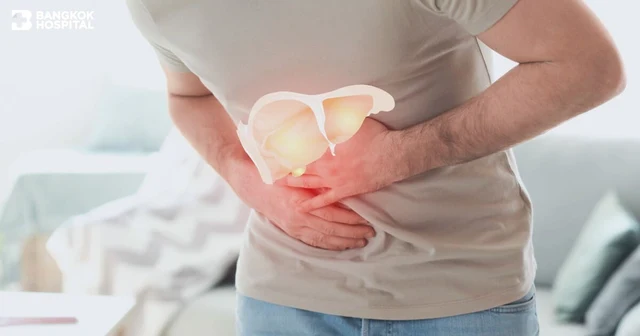

The digestive system is an organ system that works hard every day. Many times, abnormalities are hidden in symptoms that people may overlook, such as chronic abdominal pain, indigestion, or changes in bowel habits. These symptoms may be warning signs of an underlying disease. A thorough internal examination to identify the cause is therefore a way to accurately detect abnormalities. This article will introduce endoscopy to help relieve concerns and prepare you before the examination.
Upper gastrointestinal endoscopy, or gastroscopy
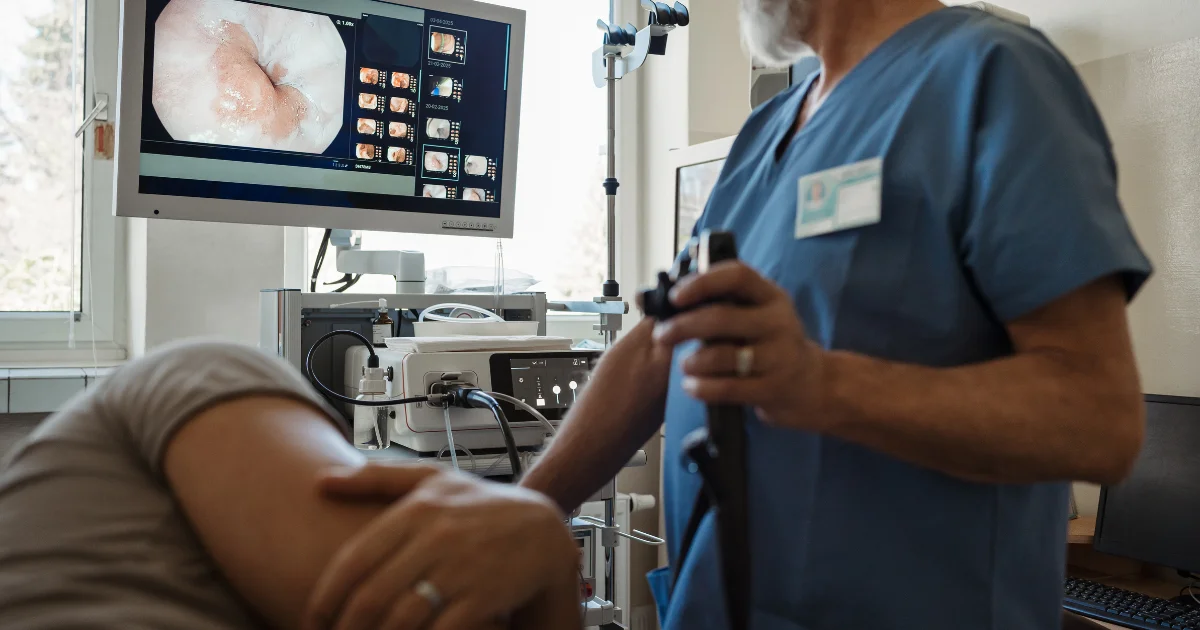
Gastroscopy (Gastroscopy) is the insertion of an endoscope through the mouth to examine the esophagus, stomach, and duodenum. It is commonly used when patients have symptoms such as epigastric discomfort/colicky pain, abdominal fullness, indigestion, burning pain in the abdomen or chest, chronic epigastric pain, difficulty swallowing, vomiting blood, or severe nausea and vomiting.
Indications for gastroscopy (upper endoscopy)
- Chronic epigastric pain/tightness, or symptoms that do not improve after treatment with antacids
- Difficulty swallowing, pain on swallowing, or a sensation of food sticking
- Nausea, frequent vomiting, or vomiting with blood
- Unexplained anemia, or black tarry stools
- Loss of appetite, weight loss
Advantages of upper gastrointestinal endoscopy
- High accuracy: It can show tissue characteristics, ulcers, or bleeding points more clearly than all other examination methods.
- Diagnosis and treatment in one: If a suspicious area is found, the physician can take a biopsy for testing or perform hemostasis immediately.
- Detection of bacteria: It can detect H. pylori, a major cause of gastritis and gastric cancer.
Considerations
- How it feels during the exam: Patients may feel slight discomfort as the scope passes the throat, but physicians commonly use short-acting sedatives or a throat spray anesthetic to reduce discomfort.
- Preparation: Strict fasting from food and water is required to prevent aspiration and to allow the physician to clearly see the gastrointestinal lining.
How to prepare before gastroscopy
- If you have underlying conditions and take regular medications, consult your primary doctor to consider stopping certain medications that may affect the endoscopic examination.
- The physician will examine you and explain the examination and treatment plan, indications, possible complications, and other options, and schedule the endoscopy. On the day of the endoscopy, the patient will be assessed, have a detailed health history taken, and be prepared for the procedure.
- No food or drink of any kind for at least 6–8 hours before the examination.
- A caregiver must accompany the patient on the day of the endoscopy because sedatives will be administered during the procedure; therefore, a caregiver is needed to take the patient home.
Gastroscopy procedure
- Before the endoscopy, the patient will receive a throat anesthetic spray twice and will lie on the left side.
- The physician administers a sedative. Then the physician inserts the endoscope through the mouth, past the throat, into the stomach and duodenum.
- The physician will take a tissue sample for testing for stomach bacteria, and if abnormalities or lesions are found in the upper gastrointestinal tract, the physician may take additional biopsies for pathological examination.
- After the endoscopy, the patient will continue to be monitored in the recovery room for 1–2 hours, or until fully awake, and can hear the endoscopy results within the same day of the procedure.
- Do not drive or work on the day of the endoscopy.
Self-care after gastroscopy
After completion of the upper gastrointestinal endoscopy, the patient will be transferred to the recovery room for close observation until fully awake, with the following guidance:
- Remain in the hospital until the effects of the sedative or anesthetic wear off, which typically takes about 1–2 hours.
- Do not drink or eat until the numbness in the throat has worn off to prevent aspiration into the airway.
- When you can start eating, begin with soft, easily digestible foods for the first meal to allow the digestive system to adjust.
- Avoid driving, operating machinery, or conducting important legal transactions for at least 24 hours, as the medication may affect judgment and balance.
- If you have a sore or irritated throat, sip water frequently or use throat lozenges for relief; symptoms typically improve within 1–2 days.
Lower gastrointestinal endoscopy, or colonoscopy
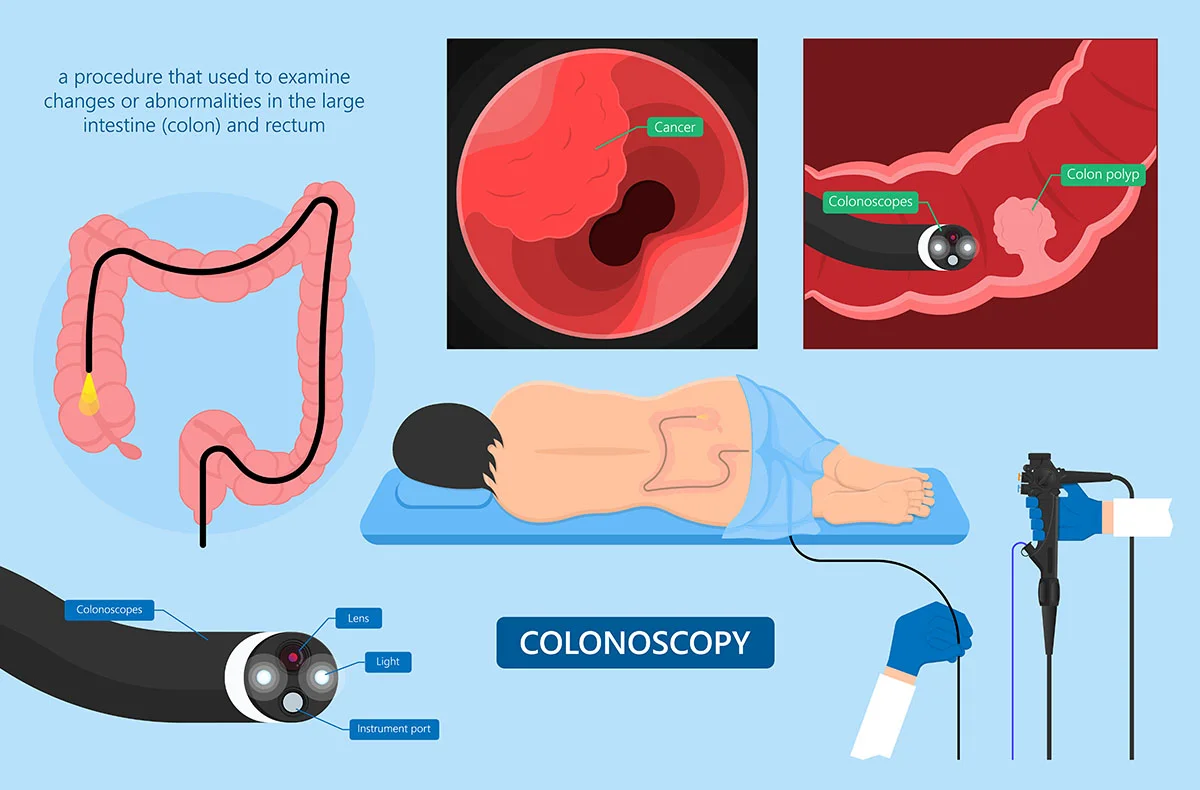
Colonoscopy (Colonoscopy) is the insertion of a flexible endoscope through the anus to examine abnormalities throughout the entire length of the colon. It is commonly used for people with bowel problems such as constipation alternating with diarrhea, blood in the stool, and is currently recommended as a screening test for colorectal cancer and to detect hidden polyps in everyone older than 45 years. The examination takes approximately 30–45 minutes.
Indications for colonoscopy (lower endoscopy)
- A change in bowel habits, such as chronic constipation alternating with diarrhea
- Thinner stools, difficult bowel movements, less flatulence, or chronic constipation
- Fresh blood in the stool, or bloody mucus mixed with stool
- Rapid weight loss without dieting or exercise
- People aged 45 years and older who want colorectal cancer screening
- People with a first-degree family history of colorectal cancer or intestinal polyps
Advantages of lower gastrointestinal endoscopy
- Prevents colorectal cancer: If the physician finds polyps that may develop into cancer, they can be removed immediately during the colonoscopy.
- Reduces the risk of disease progression: It is the standard method for screening colorectal cancer at an asymptomatic stage, which has a high chance of cure.
- Assesses chronic disease: Helps diagnose chronic inflammatory bowel conditions or identify the cause of abnormal diarrhea/constipation.
Considerations
- Bowel preparation process: Soft foods are recommended, and vegetables, fruits, and grains should be avoided 1–2 days before the endoscopy. Patients must take the prescribed amount of laxatives to cleanse the bowel as thoroughly as possible (The purpose of bowel preparation with laxatives is to ensure the patient has completely evacuated stool with no residue remaining and that the stool becomes a clear liquid, which facilitates colonoscopy
and allows clear detection of abnormalities of the colonic mucosa. If stool residue remains –> additional bowel preparation with laxatives or additional enemas is required before colonoscopy), which may cause fatigue or frequent bowel movements during preparation. Drinking plenty of water is recommended to replace fluids lost during bowel movements. - Symptoms after the exam: You may have bloating or cramping due to air insufflation used to expand the colon for clearer imaging, but symptoms improve after passing gas.
How to prepare before colonoscopy
- If you have underlying conditions and take regular medications, consult your primary doctor to consider stopping certain medications that may affect the endoscopic examination.
- The physician will examine you and explain the examination and treatment plan, indications, possible complications, and other options, and schedule the endoscopy.
- Eat a low-residue diet for 2 days before the exam, such as broth and rice porridge; avoid meat and avoid all vegetables and fruits.
- Take laxatives as prescribed. The patient must finish all laxatives and have multiple bowel movements until the stool is clear liquid. Before midnight, clear liquids may be consumed, such as water, clear broth, and pulp-free fruit juice.
- No food or drink of any kind for at least 6–8 hours before the exam (no food or drink after midnight).
- On the day of the endoscopy, the patient will be assessed, have a detailed health history taken, and may receive an enema to prepare before the colonoscopy.
- A caregiver must accompany the patient on the day of the endoscopy because sedatives will be administered during the procedure; therefore, a caregiver is needed to take the patient home.
Colonoscopy procedure
- The patient lies on the left side with knees bent toward the chest.
- The physician administers a sedative and may also give pain medication. Then the physician inserts the endoscope through the anus to examine the colon.
- If abnormalities or lesions are found in the colon, the physician may take biopsies for further pathological examination and can remove small tumors. Biopsy results take 3–5 days in the laboratory, but expedited results can be requested at an additional cost.
- After the endoscopy, the patient will continue to be monitored in the recovery room for 1–2 hours, or until fully awake, and can hear the endoscopy results within the same day of the procedure.
- Do not drive or work on the day of the endoscopy.
Self-care after colonoscopy
For colonoscopy, post-exam self-care focuses on expelling gas and monitoring abnormal bowel symptoms, as follows:
- Rest under observation after the exam until you are fully awake and able to steady yourself.
- You may feel bloated, crampy, or uncomfortable due to air insufflation used to expand the colon during the exam. Walking frequently or passing gas is recommended to expel the air from the body, which helps symptoms improve quickly.
- You can start eating soft foods immediately, except if a polyp was removed; the physician may recommend avoiding high-fiber foods or spicy foods during the first 1–2 days.
- Avoid driving or doing work that requires high caution within the first 24 hours for safety.
- Observe bowel movements. If there is a large amount of bleeding or unusually severe abdominal pain, return to see a doctor immediately.
Summary of differences: Gastroscopy vs Colonoscopy
To help readers understand the differences and prepare correctly, the table below compares basic information about the two types of endoscopy.
|
Gastroscopy (Gastroscopy / EGD) |
Colonoscopy (Colonoscopy) |
|
|
Main purpose |
Examine the esophagus, stomach, and duodenum to look for ulcers, H. pylori infection, or tumors |
Examine the colon wall and the terminal part of the small intestine to look for polyps, ulcers, or colorectal cancer |
|
Procedure duration |
Approximately 10 – 15 minutes |
Approximately 30 – 45 minutes (depending on complexity and number of polyps) |
|
Preparation |
No food or drink for at least 6 – 8 hours before the exam |
Avoid fiber 1–2 days in advance and take laxatives to cleanse the bowel before the exam |
|
Scope insertion site |
Through the mouth |
Through the anus |
Digestive and Liver Disease Center, Bangkok Hospital, ready to care for you every step of the way
If you have abnormal symptoms and want diagnostic evaluation, the Digestive and Liver Disease Center at Bangkok Hospital is fully equipped to provide comprehensive care for your digestive health. Services are delivered by a team of gastroenterologists and hepatologists working closely with anesthesiologists and nursing staff. Together with endoscopic technology, this enables efficient detection and diagnosis of small lesions, under safety assessment standards, so that patients receive appropriate examinations leading to effective treatment approaches.
Article summary
Gastroscopy and colonoscopy are important medical tools for identifying the causes of gastrointestinal diseases. The procedure is not as painful as many people worry. Strict preparation according to the physician’s recommendations helps ensure accurate results. This is preventive health care that helps detect abnormalities and address serious diseases from an early stage.
- Find a doctor: https://www.bangkokhospital.com/th/bangkok/doctor
- Make an appointment: https://www.bangkokhospital.com/th/bangkok/appointment/step1
- Contact us: https://www.bangkokhospital.com/th/bangkok/contact
Frequently Asked Questions (FAQ) about endoscopy
1. Can gastroscopy and colonoscopy be performed together on the same day?
They can be performed together if there are medical indications, which helps save time and reduces the need for multiple rounds of sedation. This must be done under the physician’s assessment of health status and physical readiness.
2. After the endoscopy, can I go home or drive myself right away?
It is not recommended to drive or do work that requires high caution within the first 24 hours after the exam, as sedative effects may still remain. A relative should pick you up and take you home for safety.
3. What symptoms are considered abnormal and require an urgent return to the doctor after endoscopy?
If you have severe abdominal pain, vomiting with blood, passing a large amount of blood in the stool, or high fever, you should return to see a doctor promptly for evaluation.
4. If a polyp is found during colonoscopy, is it dangerous?
Colon polyps include both benign types and types that may develop into cancer. Physicians usually remove any polyps found during colonoscopy and send them for pathological examination, helping reduce the risk of future cancer.
5. Does colonoscopy take a long time?
Many people wonder how long colonoscopy takes. In general, the examination takes about 30–45 minutes. It may take slightly longer if many polyps are found and need to be removed for pathological testing.
6. Is gastrointestinal endoscopy painful?
When needing an examination, many people ask whether gastrointestinal endoscopy is painful, or whether gastroscopy is painful. In reality, the process is not as frightening as it seems. Before the exam begins, the patient receives a throat anesthetic spray (for upper endoscopy) and is cared for by an anesthesiologist who administers sedatives or anesthesia, allowing the patient to sleep comfortably, remain unaware, and feel no pain throughout the examination. Upon waking, there may only be mild throat irritation or abdominal discomfort from the air insufflated, and these symptoms will gradually subside and resolve on their own.