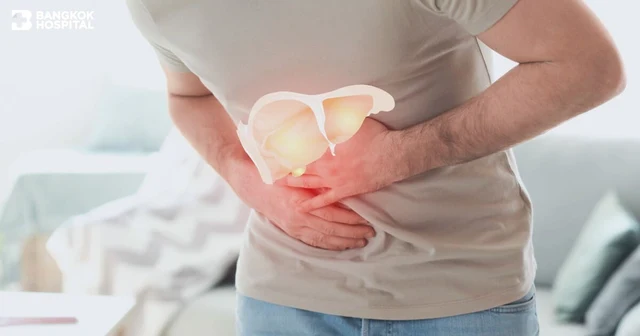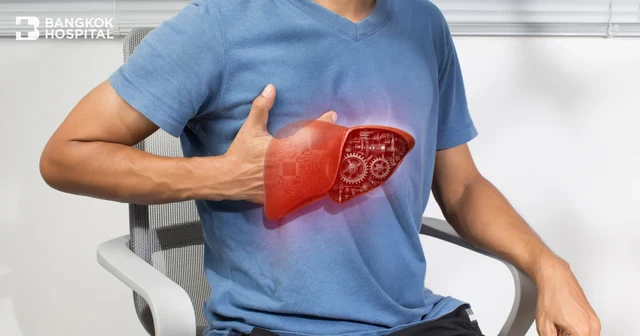
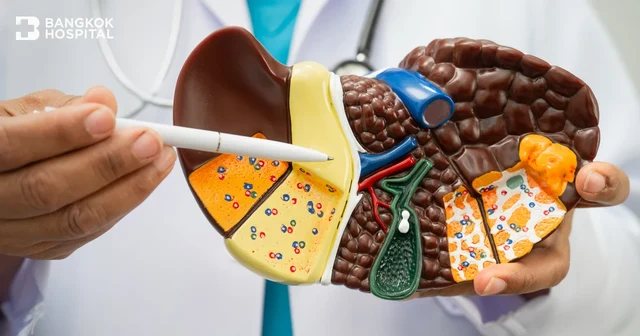

The liver is an organ that is vital to the body, performing a wide range of functions—from detoxification and bile production to energy storage. Today, however, people are at increased risk of liver-related diseases due to lifestyle behaviors, especially fatty liver or hepatic steatosis (Fatty Liver Disease/ Metabolic dysfunction-Associated Steatotic Liver Disease/ MASLD). This is considered a concerning silent threat because early stages often show no symptoms. If left unaddressed without lifestyle changes, it may lead to more serious health problems such as hepatitis, cirrhosis, and an increased risk of liver cancer. This article will help you understand the causes, risk groups, symptoms, and appropriate approaches to liver health care.
What is fatty liver disease (hepatic steatosis)?
Fatty liver disease, fat accumulation in the liver, or Metabolic dysfunction-Associated Steatotic Liver Disease (Fatty Liver Disease/ Metabolic dysfunction-Associated Steatotic Liver Disease/ MASLD) is a condition in which fat—mostly in the form of triglycerides (Triglyceride)—accumulates within liver cells more than normal. It is not merely fat that clings to the surface of the liver or coats the liver from the outside.
Normally, the liver functions like the body’s energy storage and management center. But when the body takes in more energy—especially sugar and fat—than it needs, the liver converts that excess energy into fat and stores it inside liver cells. If this accumulation continues over a long period, it can lead to fatty liver disease in the long term, causing hepatitis, liver fibrosis, cirrhosis, and increasing the risk of liver cancer.
What causes fatty liver disease and who is at risk?

Currently, fatty liver disease can be classified into two groups by cause: fatty liver disease associated with metabolic dysfunction and liver disease related to alcohol consumption.
Fatty liver disease associated with metabolic dysfunction (Metabolic dysfunction-Associated Steatotic Liver Disease/ MASLD)
This is the most common cause of fatty liver disease today. It results from abnormalities in the body’s energy metabolism together with lifestyle behaviors, leading to fat accumulation within liver cells, even in those who do not drink alcohol or drink only a small amount. Key risk factors include:
- Obesity or being overweight, especially those with a body mass index (BMI) ≥23 kg/m² and/or central obesity: waist circumference ≥90 cm in men or ≥80 cm in women
- Type 2 diabetes or insulin resistance
- High blood lipids
- High blood pressure
- Eating patterns high in fat, refined carbohydrates, and high-sugar beverages
- Insufficient exercise
People with these risk factors are often in the metabolic syndrome group (Metabolic Syndrome), which increases the risk and likelihood of developing fatty liver disease and cardiovascular disease as well.
However, fatty liver disease can also be found in patients with normal body weight (Lean MASLD), especially those with abdominal fat accumulation or insulin resistance.
Alcohol-related fatty liver disease (Alcoholic Liver Disease)
Heavy and continuous consumption of alcoholic beverages over a long period causes fat accumulation within liver cells and can lead to alcohol-related liver disease.
In addition, some people may have both metabolic dysfunction and alcohol consumption at levels that affect the liver. This group has a higher risk of hepatitis, liver fibrosis, and cirrhosis than having only one risk factor.
Regardless of the cause, continuous fat accumulation in liver cells may lead to liver inflammation, liver fibrosis, cirrhosis, and an increased long-term risk of liver cancer.
Stages of severity of fatty liver disease
Fatty liver disease progresses gradually, and severity increases if fat accumulation and liver inflammation continue. It can be divided into 4 stages as follows:
- Stage 1 Fat accumulation in the liver (Simple Steatosis) This stage involves fat accumulation within the liver tissue without inflammation or fibrosis. Most patients have no symptoms and it is often found incidentally during health checkups, such as an abdominal ultrasound.
- Stage 2 Fatty liver with inflammation (Steatohepatitis) When fat accumulates in liver cells for a long time, it causes inflammation of liver cells. Some patients may have no symptoms but show elevated liver function tests (AST, ALT). Some may experience fatigue or a feeling of fullness/tightness in the right upper abdomen.
- Stage 3 Liver fibrosis (Liver fibrosis) Long-term inflammation leads to fibrosis buildup in the liver. Some patients may not have clear symptoms, but there is a risk of progression to cirrhosis. Liver fibrosis can be assessed by measuring liver stiffness with a Liver Flex Scan (Transient Elastography).
- Stage 4 Cirrhosis (Liver cirrhosis) This is advanced fibrosis. Early cirrhosis may have no symptoms and can be detected by abdominal ultrasound. As cirrhosis progresses to an advanced stage, complications may occur such as ascites, jaundice, esophageal varices, upper gastrointestinal bleeding, and an increased risk of liver cancer.
What are the symptoms of fatty liver disease? Can you monitor yourself?

Fatty liver disease in the early stage often does not show clear abnormal symptoms. Many patients therefore do not know they have the condition, and it is often found incidentally during annual health checkups—for example, elevated liver function values or fatty liver detected on abdominal ultrasound.
However, as the disease progresses to hepatitis or liver fibrosis, some warning signs may be present, such as:
- Fatigue or unusual easy tiredness
- Loss of appetite or occasional nausea
- A feeling of fullness, tightness, or discomfort in the right upper abdomen
- Unexplained weight loss
- Abnormally elevated liver enzymes (AST, ALT) on blood tests
In cases where the disease progresses to cirrhosis or complications, more severe symptoms may occur, such as:
- Yellowing of the skin and eyes (jaundice)
- Leg swelling and abdominal distension from fluid in the abdominal cavity (ascites)
For those with obesity, diabetes, high blood lipids, or central obesity, it is important to prioritizeannual health checkups to detect the disease early and prevent progression to cirrhosis in the future.
Approaches to diagnosing fatty liver disease
Because fatty liver disease often has no symptoms in the early stage, diagnosis is important for detecting the condition and assessing severity. The doctor may consider the following tests:
- Blood tests to evaluate liver function values AST and ALT, and to assess associated metabolic conditions such as blood sugar and blood lipids
- Abdominal ultrasound (Ultrasound upper abdomen) as an initial screening test to assess fat accumulation in the liver
- Liver Flex Scan to measure liver stiffness to assess the degree of liver fibrosis, and it can also measure the amount of fat accumulated in the liver at the same time
- Magnetic resonance imaging (MRI) especially MRI-PDFF, can accurately assess the amount of fat in the liver and also help evaluate other abnormalities in liver tissue
- Liver biopsy (Liver biopsy) generally not necessary for most patients, but in some cases the doctor may consider a biopsy to confirm inflammation, the level of fibrosis, or to distinguish other liver diseases with similar characteristics
- Currently, blood tests together with ultrasound and Liver Flex Scan® can help diagnose and assess the severity of fatty liver disease in most patients without the need for a liver biopsy.
How to treat fatty liver disease

Treatment of fatty liver disease depends on the cause and the severity of the disease with key goals of reducing fat accumulation in the liver, reducing inflammation, and preventing fibrosis or cirrhosis in the future. Currently, lifestyle modification remains the core of treatment, and in some cases the doctor may consider medications as appropriate.
Lifestyle modification
- Lose weight appropriately Weight loss of about 7–10% of baseline body weight can help reduce liver fat and inflammation. Weight should be reduced gradually according to the advice of a doctor or nutrition specialist.
- Adjust dietary patterns Reduce foods high in saturated fat, fried foods, processed foods refined starches, and high-sugar beverages. Increase intake of vegetables, fruits, whole grains, and quality protein sources.
- Exercise regularly Do aerobic exercise and resistance training for at least 150 minutes per week.
- Avoid or limit alcohol consumption
Medication treatment and management of comorbidities
The doctor may consider additional treatment for some patients, especially those with liver inflammation and fibrosis, as well as control of underlying diseases that are risk factors such as diabetes, high blood lipids, high blood pressure, obesity, and central obesity. This may include blood sugar–lowering medications for patients with diabetes, antihypertensive medications, or lipid-lowering medications to prevent further liver damage.
Proper control of these comorbidities helps reduce the risk of disease progression and long-term complications.
How to prevent fat accumulation in the liver
Fatty liver disease can be prevented with consistent health care as follows:
- Maintain an appropriate body weight and avoid central obesity
- Eat a healthy diet, reduce sweet, fatty, and processed foods, and emphasize vegetables, fruits, and whole grains
- Exercise regularly for at least 150 minutes per week
- Avoid heavy alcohol consumption
- Control underlying diseases such as diabetes, high blood lipids, and high blood pressure
- Have regular health checkups, especially for those who are overweight, have central obesity, or have metabolic risk factors
- Avoid using medications or dietary supplements or herbal medicines without a doctor’s recommendation
Bangkok Hospital Gastrointestinal and Liver Center is ready to care for all liver health issues
Bangkok Hospital Gastrointestinal and Liver Center provides comprehensive care and treatment for gastrointestinal and liver diseases with advanced endoscopic technologies such as ERCP, EUS and DBE, which help diagnose and treat without major surgery. Services are provided by specialist physicians with modern medical equipment, delivering integrated care under evaluation by experts in each field. In addition, there is guidance on self-care and systematic preparation before–after examinations to help reduce risks and promote appropriate recovery at every step.
Article summary
Fatty liver disease is increasingly common today and is often associated with obesity, diabetes, high blood lipids, as well as unbalanced eating and lifestyle behaviors. Although most patients have no symptoms in the early stage, if left unmanaged, it may lead to hepatitis, liver fibrosis, cirrhosis, and an increased risk of liver cancer.
Regular health checkups, especially for those with metabolic risk factors, help detect the disease early. The cornerstone of treatment and prevention of fatty liver disease is lifestyle modification, including dietary adjustments, exercise, weight control, and appropriate management of various conditions. This is a key to prevention and to reducing the risk of severe liver disease in the future.
- Find a doctor: https://www.bangkokhospital.com/th/bangkok/doctor
- Make an appointment: https://www.bangkokhospital.com/th/bangkok/appointment/step1
- Contact us: https://www.bangkokhospital.com/th/bangkok/contact
Frequently asked questions (FAQ) about fatty liver disease (hepatic steatosis)
1. Can fatty liver disease be cured?
In most patients who are still in the early stage, fatty liver disease can return to normal if liver fat can be reduced and risk factors can be controlled effectively—especially weight loss, appropriate diet, and regular exercise. However, if the disease progresses to cirrhosis, it may not be fully reversible.
2. Do thin or normal-weight people have a chance of getting fatty liver disease?
Yes, especially those with abdominal fat accumulation, insulin resistance, diabetes, or high blood lipids. This condition is called Lean MASLD and is relatively common in Asians.
3. Can liver supplements or herbal products treat fatty liver disease?
Currently, there are no dietary supplements or herbal medicines certified to directly treat fatty liver disease. Using medications without a doctor’s recommendation may not be beneficial and, in some cases, may harm the liver.
4. If you have fatty liver disease, what type of exercise should you do?
You can choose either aerobic exercise such as brisk walking, light jogging, cycling, swimming, or resistance exercise such as weight training. You should exercise at least 150 minutes per week.