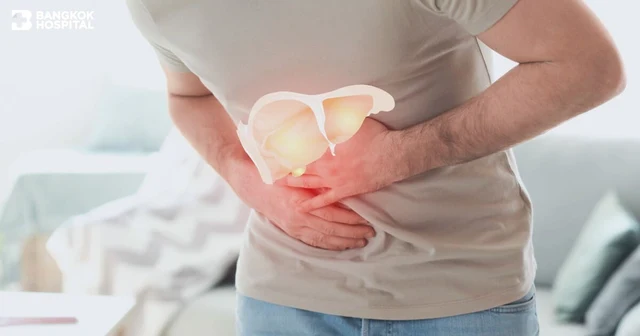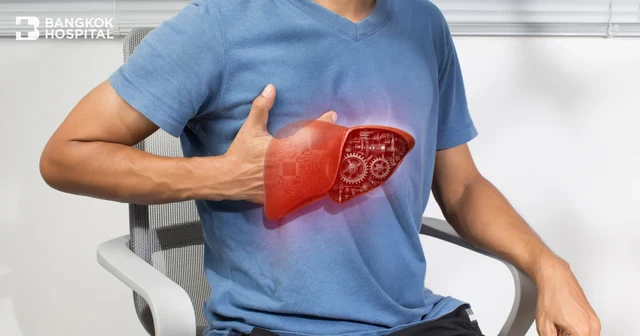


The liver is a vital organ responsible for detoxifying harmful substances, producing proteins, generating bile, and regulating the metabolism of various nutrients in the body. If a health check-up finds elevated liver values, it may indicate liver inflammation or damage from various causes such as fatty liver disease, alcohol consumption, viral hepatitis infection, or side effects from certain medications and herbal products. Although elevated liver values do not always mean a serious liver disease, identifying the cause and receiving appropriate treatment early can help prevent fibrosis, cirrhosis, and liver cancer in the future.
What are liver values?
Liver values (Liver Function Tests; LFTs) are blood tests used to evaluate liver health, including inflammation, liver function, and damage to liver cells. The measured values include:
- AST (Aspartate Aminotransferase)
- ALT (Alanine Aminotransferase)
- Alkaline Phosphatase (ALP)
- Gamma – Glutamyl Transferase (GGT)
- Bilirubin
- Albumin
- Prothrombin Time (PT/INR)
Among these, AST and ALT are the enzymes that best indicate inflammation or injury to liver cells. Normal ranges may vary slightly between laboratories.
What are elevated liver values?
Elevated liver values refer to liver enzyme levels—especially ALT and AST—being higher than normal, reflecting injury or inflammation of liver cells. However, high liver values do not always indicate disease severity. They must be assessed together with symptoms, physical examination, and additional tests to determine the true cause.
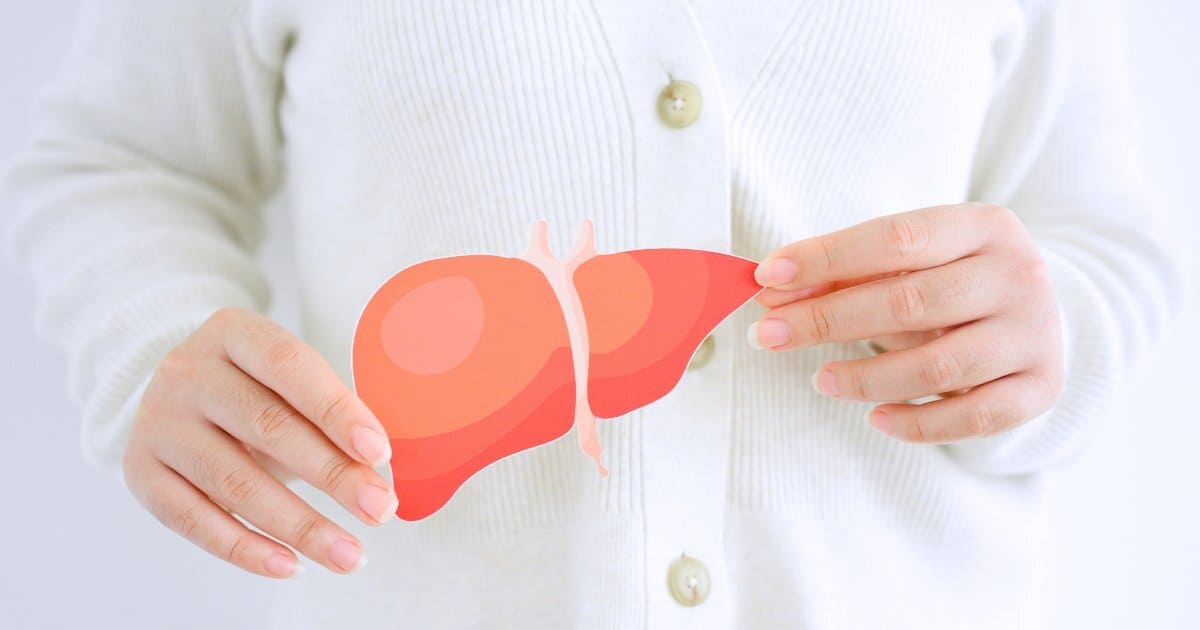
Causes of elevated liver values
There are many causes of elevated liver values. Common causes include:
- Metabolic dysfunction–associated steatotic liver disease (MASLD), which is commonly found in people with obesity, diabetes, high blood lipids, or metabolic syndrome
- Alcohol-related liver disease from consuming large amounts of alcoholic beverages or drinking continuously over a long period
- Hepatitis B and C virus infections, which can lead to chronic hepatitis, cirrhosis, and liver cancer
- Certain medications, herbal products, and dietary supplements that may cause drug-induced hepatitis
- Autoimmune diseases, bile duct diseases, and certain genetic disorders, which are less common but important causes that should be diagnosed
Who is at risk of elevated liver values?
People with the following factors are more likely to have elevated liver values than the general population:
- People who are overweight or have obesity
- Patients with diabetes or high blood lipids
- People who regularly drink alcoholic beverages
- People who have had hepatitis B or C virus infection
- People who regularly use certain medications, herbal products, or dietary supplements
- People with a family history of liver disease
- People with behaviors that increase the risk of hepatitis virus infection, such as sharing needles or unprotected exposure to blood
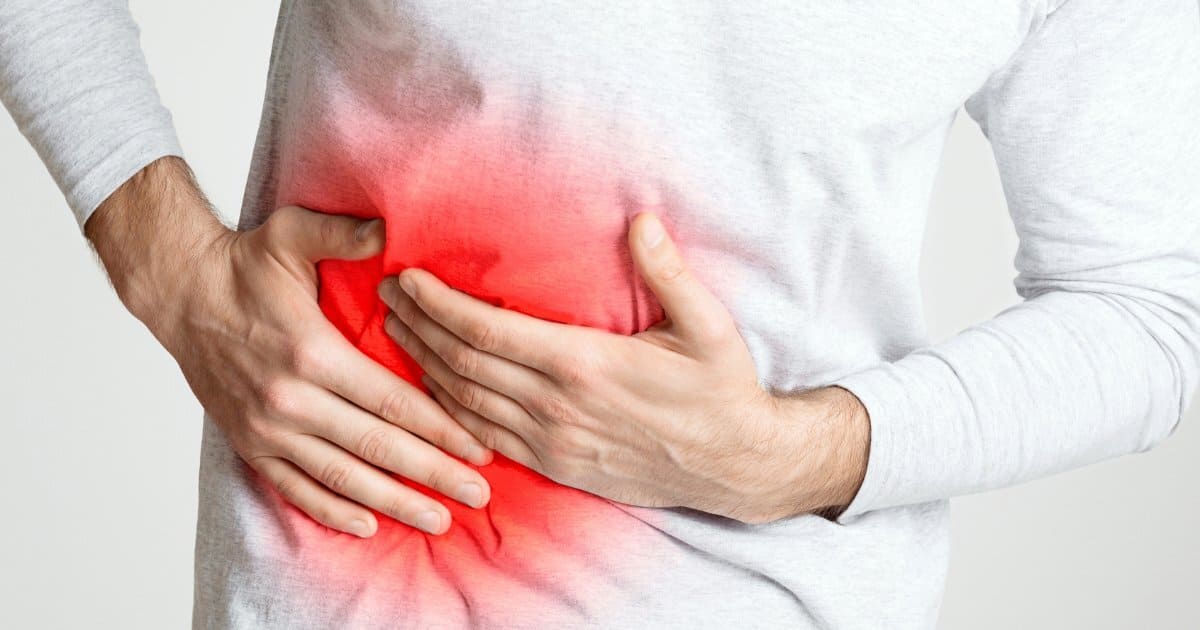
Are there symptoms of elevated liver values?
In the early stages, most people with elevated liver values have no symptoms and are often detected during annual check-ups. If hepatitis or the condition becomes more severe, symptoms may include:
- Fatigue, easy tiredness
- Loss of appetite, nausea, vomiting
- Pain or tightness in the right upper abdomen
- Yellowing of the skin and eyes
- Dark urine, pale stools
- Itchy skin
Are elevated liver values dangerous?
Elevated liver values are only a warning sign that the liver may be abnormal; they are not a disease in themselves. If left undiagnosed and untreated, they may lead to chronic liver disease and complications such as:
- Fatty liver disease
- Chronic hepatitis
- Liver fibrosis
- Cirrhosis
- Liver failure
- Liver cancer

How to lower liver values and care for the liver
Lowering liver values should begin with identifying and treating the cause of the elevated liver values, not only by eating certain foods or taking liver supplements alone. Self-care measures that can help improve liver values include:
- Maintain an appropriate body weight
- Eat a balanced diet emphasizing vegetables, fruits, whole grains, fish, and low-fat protein
- Reduce sweets, high-sugar beverages, and processed foods
- Exercise at least 150 minutes per week
- Avoid alcoholic beverages
- Avoid unnecessary use of medications, herbal products, or dietary supplements
- Get adequate rest and control underlying conditions such as diabetes, high blood lipids, and high blood pressure
- Attend follow-up visits as recommended by your doctor
Foods that help support liver health
Currently, no specific food has been proven to cure liver disease or restore liver values to normal. In particular, eating a beneficial, balanced diet is the approach with the strongest medical evidence, including:
- Foods to eat A variety of vegetables and fruits, whole grains, fish and lean meats, nuts and seeds, and an appropriate amount of clean water
- Foods to avoid Fried and high-fat foods, processed foods and fast food, high-sugar drinks and desserts, alcoholic beverages
In addition, avoid foods that may be contaminated with aflatoxin (Aflatoxin) such as peanuts, grains, or spices stored improperly, as these substances increase the risk of liver cancer.
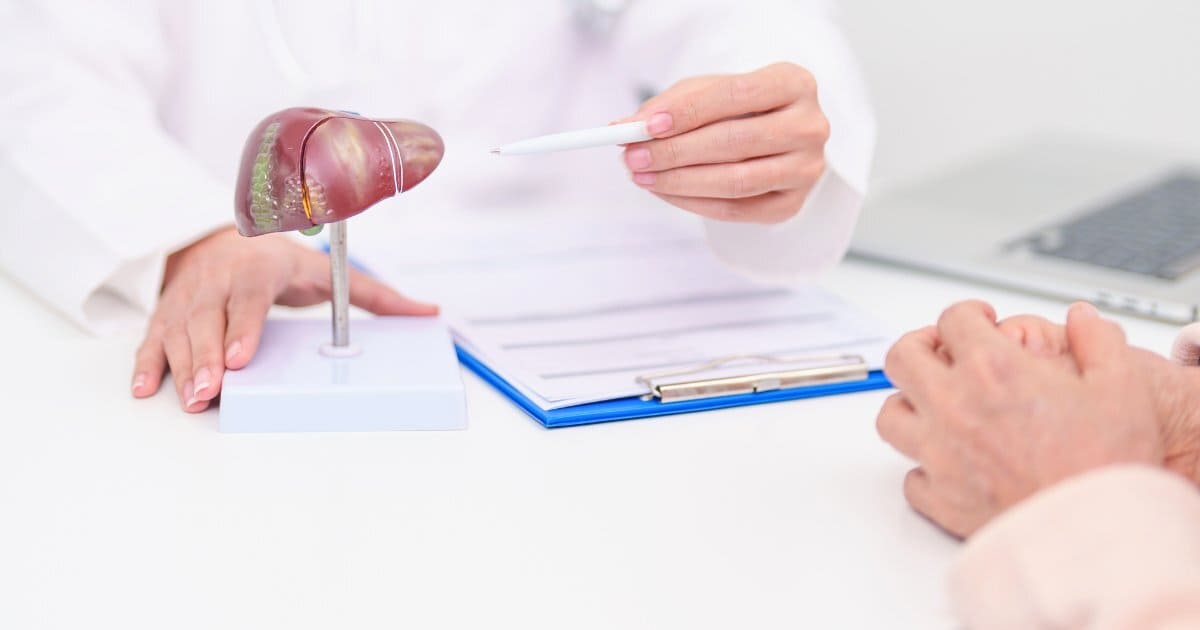
Can elevated liver values return to normal?
If the cause is appropriately diagnosed and treated—such as weight control, abstaining from alcohol, treating viral hepatitis, or stopping the causative medication—liver values can return to normal in many patients. However, liver values returning to normal does not always mean the liver disease is completely cured. Some patients, such as those with hepatitis B or fatty liver disease, may still have chronic liver disease even if liver values are within the normal range. Therefore, ongoing follow-up as recommended by a doctor is advised.
When is it time to see a doctor?
If elevated liver values are found, you should be evaluated by a doctor to identify the cause, especially if the elevated values persist or if there are accompanying symptoms such as jaundice, yellow eyes, dark urine, pale stools, severe abdominal pain, fever with jaundice, drowsiness, confusion, or vomiting blood. In patients with AST or ALT levels more than 10 times the normal value, urgent medical evaluation is recommended because it may be acute hepatitis.
Preventing elevated liver values
Reducing the risk of liver disease and elevated liver values can be achieved by:
- Maintain an appropriate body weight
- Eat a healthy diet and exercise regularly
- Avoid or limit alcoholic beverages
- Use medications, herbal products, and dietary supplements with caution
- Control blood sugar and blood lipids
- Receive hepatitis A and B vaccination when indicated
- Avoid contact with blood or sharing needles with others
- Have regular health check-ups, especially for those with risk factors or chronic liver disease
Discovering elevated liver values is not something to panic about, but it should not be overlooked. Identifying the cause and receiving appropriate care and treatment from the early stage can effectively prevent disease progression and reduce the long-term risk of cirrhosis and liver cancer.
Hospitals specializing in liver disease
The Digestive Diseases and Liver Center, Bangkok Hospital provides liver health checks, appropriate liver value assessment, as well as diagnosis and treatment of liver diseases by specialist physicians, nurses, and a multidisciplinary team, using modern equipment and technology to support long-term healthy liver function.
Physicians specializing in liver disease
Dr. Thaninee Prasoppokakorn Gastroenterologist, Digestive Diseases and Liver Center, Bangkok Hospital
You can click here to make an appointment yourself.