
Liver disease is a common health problem and one of the leading causes of death worldwide. Common liver diseases include fatty liver disease, alcoholic hepatitis, and drug-induced hepatitis. They often do not show symptoms in the early stages; by the time patients realize it, the condition is often advanced and severe, progressing to cirrhosis or complications such as liver cancer. Reducing the risk of liver disease and undergoing health screening through blood tests, ultrasound, or additional tests helps diagnose liver disease. Early treatment helps reduce the severity of the disease.
What does the liver do?
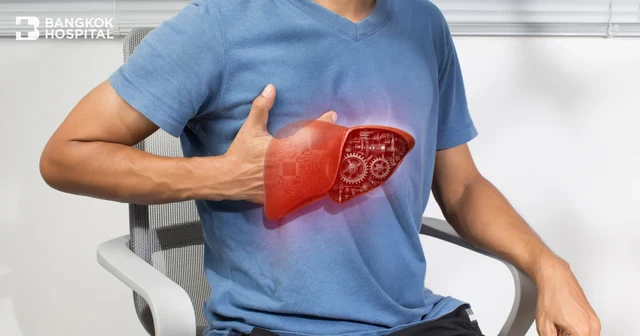
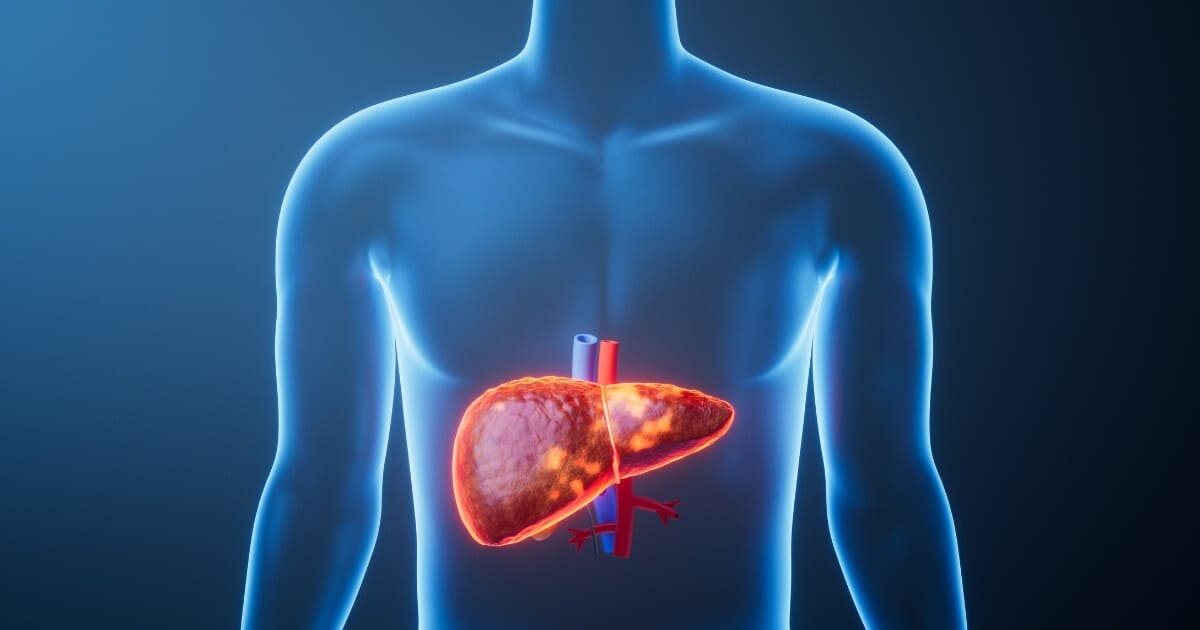
The liver is an important organ that helps various body systems function efficiently, including:
- Eliminating toxins and waste from the blood, including removing bacteria and toxins from the blood
- Producing essential nutrients such as albumin, a protein that maintains fluid circulation in the bloodstream
- Producing bile to help digest fats and absorb fats in the small intestine
- Producing proteins and blood-clotting factors
- Storing many vitamins and minerals for the body to use when needed
- Maintaining stable blood sugar levels and other energy sources in the body
What is liver disease?
Liver disease is a condition in which the liver functions abnormally, liver tissue is damaged, and efficiency decreases. It can occur in people of all sexes and ages. Treatment depends on the cause. If detected in the very early stage, it can help slow disease progression, reduce complications, and increase the chance of treatment success. Because patients with liver disease often do not show clear symptoms, you should watch for abnormalities and have an annual health check-up.
How many types of liver disease are there?
In general, liver disease can be categorized by its cause as follows:
Viral hepatitis-related liver disease is an infectious disease that can severely damage the liver and may be fatal. There are 5 types of hepatitis viruses:
- Hepatitis A is contracted from eating undercooked or raw food, or sharing food with an infected person. Symptoms include fever, fatigue, loss of appetite, vomiting, and yellowing of the skin and eyes.
- Hepatitis B is transmitted through blood and from mother to child during childbirth. It is common. Symptoms include jaundice, dark urine, and discomfort or tightness under the right rib cage.
- Hepatitis C is transmitted through blood, such as sharing needles. There may be no symptoms; some people feel fatigue, loss of appetite, nausea, weakness, and joint pain.
- Hepatitis D is often found together with hepatitis B. Symptoms are quite severe: pale stools, dark urine, abdominal pain, yellowing of the skin and eyes, nausea, vomiting, and loss of appetite. It can cause acute hepatitis and may be fatal.
- Hepatitis E is often contracted from undercooked or raw food. Patients often experience fatigue and jaundice. Symptoms may be severe in pregnant patients.
Drug- and toxin-induced liver disease causes chronic hepatitis, liver fibrosis, and can progress to cirrhosis. Toxins include alcoholic beverages, medications, and various herbal products.
Genetic liver disease can cause abnormal liver function, such as iron overload and copper overload. The liver cannot eliminate the excess, leading to mineral accumulation. If left untreated, internal organs gradually deteriorate rapidly.
Liver cancer occurs when liver cells function abnormally and become cancerous. Symptoms include loss of appetite, vomiting, weight loss, and jaundice. If left chronic, it may lead to liver failure and can be life-threatening.

What causes liver disease?
- Eating foods high in fat, starches, and sugar
- Lack of exercise is a risk factor for fatty liver disease
- Overweight
- Hepatitis virus infection, causing acute and chronic inflammation
- Alcohol consumption may cause acute or chronic hepatitis; if left untreated, it may progress to cirrhosis and liver failure
- Toxic hepatitis, such as drug overdose or excessive exposure to chemicals
- Fatty liver due to obesity, high blood sugar, and high blood lipids
- Autoimmune disease in which the immune system attacks liver cells, causing hepatitis and swelling; if chronic, it may cause scarring in the liver
Who is at risk of liver disease?
- People who regularly drink alcohol
- People with obesity or abdominal obesity
- Patients with type 2 diabetes
- People with high blood lipids
- People infected with hepatitis viruses
- People with a family history of liver disease or liver cancer
- People who use certain medications or herbal products continuously for a long time
- People with high-risk behaviors such as sharing needles, non-standard tattooing or body piercing, unprotected sex, and contact with blood and body fluids contaminated with pathogens
Noticeable symptoms of liver disease
- Nausea, vomiting
- Fatigue
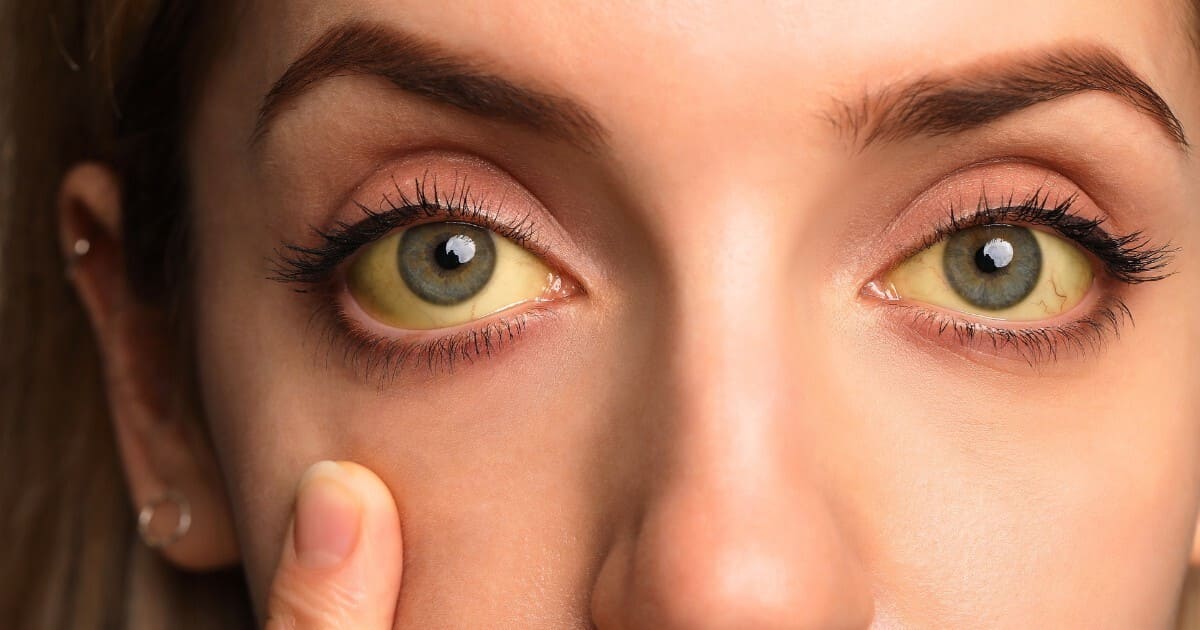
- Yellow skin and eyes, jaundice
- Urine darker than usual
- Bloating, abdominal fullness, frequent gas in the stomach
- Severe abdominal pain under the right rib cage
- Itchy skin
How severe can liver disease be?
Liver disease affects liver function. Its severity and damage are divided into 4 stages:
- Stage 1: Hepatitis At this stage, the liver tries to eliminate toxins and repair tissue. If it is acute inflammation, such as viral hepatitis, the liver can heal itself; however, if it cannot, chronic inflammation occurs, leading to liver fibrosis.
- Stage 2: Liver fibrosis At this stage, wounds in the liver tissue become more chronic. Fibrosis reduces blood flow in the liver, decreasing oxygen and nutrients delivered to the liver—this is the beginning of cirrhosis.
- Stage 3: Cirrhosis At this stage, fibrosis cannot be repaired and begins to severely affect liver function.
- Stage 4: Liver failure At this stage, the liver cannot perform its functions; its function gradually deteriorates into chronic liver failure. Without a liver transplant, it can be life-threatening.
How is liver disease diagnosed?
Diagnosis of liver disease depends on evaluation by a specialist. There are several methods, including:
- Liver Function Tests via laboratory blood tests
- AST enzyme test (SGOT – Serum Glutamic Oxaloacetic Transaminase) A high level indicates damage to liver cells. It is used to confirm liver abnormalities and to monitor outcomes or side effects of liver treatment.
- ALT enzyme test (SGPT – Serum Glutamate-Pyruvate Transaminase) A high level indicates liver problems. It is used to assess severity of liver damage, confirm liver disease, and detect side effects from medications used to treat the liver.
- ALP enzyme test (Alkaline Phosphatase) produced by organs when abnormalities occur, to detect abnormalities or diseases related to the liver, bile ducts, and bones. It is often tested together with ALT and AST to confirm major diseases.
- GGT enzyme test (Gamma GT) to determine whether elevated ALP (Alkaline Phosphatase) originates from a particular organ. A high level indicates risk of liver disease and bile duct disease.
- Total Bilirubin test There are 2 types of bilirubin: Indirect Bilirubin (yellow pigment that has not yet reached the liver) and Direct Bilirubin (yellow pigment that has passed through the liver and has reacted). It is used to detect abnormalities in the liver and red blood cells, as well as other organs, assess the risk of liver-related symptoms, and guide diagnosis and treatment planning for liver disease.
- Direct Bilirubin test which has reacted so that the liver and kidneys can eliminate it. A low level indicates good health and that the body can utilize direct bilirubin to the fullest benefit.
- Albumin test Albumin accounts for 60% of all proteins in the body and is produced only by the liver. If too low or too high, it may indicate a risk of liver or kidney disease.
- Globulin test a protein related to white blood cells that helps eliminate foreign substances entering the body. If too high, it may be a sign that the body is trying to eliminate certain harmful pathogens.
- Hepatitis B (HBsAg) and C (Anti – HCV) virus tests which are causes of chronic liver disease
- Liver cancer marker test (AFP – Alpha Fetoprotein) in blood to assess liver cancer risk. About 40% of liver cancer patients have abnormally high AFP.
- Abdominal ultrasound using sound waves to check the structure of the liver and nearby organs. It can detect masses or abnormalities in the liver.
- Fibro Scan an ultrasound technology to measure liver stiffness and fat content. Suitable for those at risk of cirrhosis, fatty liver, or liver deterioration.
- Additional tests such as CT Scan, MRI, ERCP, MRCP, as recommended by a specialist
Treatment approaches for liver disease
Treatment of liver disease depends on the type of disease and the severity, and includes:
- Lifestyle modification
- Maintain an appropriate body weight
- Stop smoking and drinking alcohol
- Avoid grilled foods and high-fat foods
- Be careful not to consume too much sugar
- Exercise regularly
- Medication such as antiviral drugs for hepatitis B and C, immunosuppressants for liver disease, and diuretics
- Surgical treatment including laparoscopic surgery for liver treatment and liver transplantation

Complications of liver disease
- Cirrhosis
- Liver failure
- Liver cancer
- High blood pressure in the liver’s veins (portal hypertension)
Can liver disease be cured?
Liver disease can be cured, and each type has a different treatment approach, for example:
- Acute hepatitis is mostly caused by viruses or certain toxins. If diagnosed early and treated correctly, it can be completely cured.
- Chronic hepatitis, if treated continuously, may allow the virus to be controlled.
- Cirrhosis cannot be restored to normal, but treatment can slow deterioration and reduce the risk of complications.
- Fatty liver, if in the early stage with no fibrosis, can be improved through lifestyle changes to restore liver health.
Is liver disease contagious?
Contagious liver diseases are caused by viruses such as hepatitis A and E, transmitted through eating food or drinking water contaminated with the virus. Hepatitis B, C, and D are transmitted through unprotected sex, sharing needles, tattooing, ear piercing, blood transfusion, and from mother to child during childbirth. Non-contagious liver diseases are caused by behavior, genetics, or immunity, such as alcohol-related liver disease, high blood lipids, high blood sugar, obesity, autoimmune hepatitis, liver cancer, and cirrhosis.

How can liver disease be prevented?
- Get vaccinated against hepatitis viruses
- Keep your body mass index within the recommended range; beware of obesity
- Avoid consuming saturated fats such as fatty meat, processed meat, animal fats, coconut milk, and butter
- Avoid foods contaminated with aflatoxins such as peanuts and ground chili
- Avoid raw fish and partially cooked foods to prevent liver fluke infection
- Drink enough water and avoid alcohol
- Emphasize foods with omega-3 fatty acids and high dietary fiber; reduce foods and beverages containing fructose sugar
- Exercise at least 150 minutes per week
- Be cautious with medications or supplements that may have side effects on the liver
- Have an annual health check-up
Hospital specializing in liver disease
The Gastrointestinal and Liver Center, Bangkok Hospital, is ready to provide liver health screening, appropriate liver value assessment, as well as diagnosis and treatment of liver diseases by experienced specialist physicians, nurses, and a multidisciplinary team, using modern equipment and technology to support long-term liver health.
Physician specializing in liver disease
Dr. Thaninee Prasoppokakorn Gastroenterologist, Gastrointestinal and Liver Center, Bangkok Hospital
You can click here to make an appointment yourself.