


Coronary Artery Bypass Grafting
Coronary Artery Bypass Grafting (CABG) is a surgery performed in patients with significant narrowing and blockage of heart arteries. It is best performed in patients with multiple blockages in multiple locations. This can relieve chest pain and prolong life.
Minimally Invasive Surgery for Aortic Aneurysm, reducing the risk and hospital length of stay
Each year in the United States, aortic aneurysm rupture causes 15,000 deaths where 90-95% of patients die before reaching a hospital because of massive blood loss.
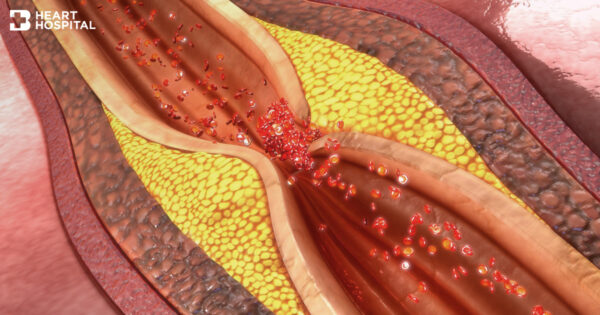
Getting healthier by reducing risks of coronary artery disease
“Coronary artery disease or CAD” is defined as the narrowing or blockage of the coronary arteries, usually caused by atherosclerotic plaque which is made of fat, cholesterol, calcium and other cellular substances that tend to accumulate on the inner walls of the arteries.
Translated by AI
Screening for risk factor will halt the rupture of major arteries.
An aneurysm is like a ticking time bomb in the body, ready to rupture at any moment. Many patients live on the edge without even realizing it, often only being discovered when it finally bursts. At that point, surgery is required to repair it. The best alternative and chance for survival is to have regular health check-ups early, before the aneurysm swells and bursts.

TAVI/TAVR Transcatheter Aortic Valve Implantation/ Replacement
TAVI/TAVR is a novel, innovative approach to implantation of aortic valve without actually having to open the chest in order to expose the heart.

Aortic Aneurysm Rupture: Emergency Symptoms & Fatal Risks
Sudden cardiac death is a defined as a sudden, unexpected death caused by loss of heart function or sudden cardiac arrest. Sudden cardiac death is responsible for more than a half of all heart disease deaths. Sudden cardiac death occurs most frequently in adults without warning signs and symptoms. An unexpected death happens quickly often due to undiscovered heart defects or overlooked heart abnormalities.

Translated by AI
Transradial catheterization technique: technology for treating the heart and blood vessels
Learn about cardiac catheterization, balloon angioplasty, and stent placement to restore blood flow, widen clogged arteries, and treat coronary disease.

Coronary Artery Bypass Grafting (CABG)
During coronary artery bypass graft surgery, a blood vessel is removed or redirected from one area of the body and placed around the area or areas of narrowing to "bypass" the blockages and restore blood flow to the heart muscle.

Translated by AI
What is cardiac balloon angioplasty, what does it help with, and what are the steps and preparation?
Coronary balloon angioplasty (Balloon Angioplasty) is a popular method for dilating the coronary arteries because it does not require surgery.

Translated by AI
Aneurysm detected early increases survival chances
Patients with aneurysms of the major arteries, the best treatment approach is to diagnose and treat before symptoms of the aneurysm occur, as it yields ten times better treatment outcomes than emergency cases.

Transcatheter Aortic Valve Implantation (TAVI) / Transcatheter Aortic Valve Replacement (TAVR)
The heart has four chambers. There are two chambers at the top of the heart (atria) and two pumping chambers at the bottom (ventricles).

Carotid Endarterectomy
Carotid arteries, Carotid artery disease and Stroke What Is Carotid Endarterectomy? Are there any alternatives?