

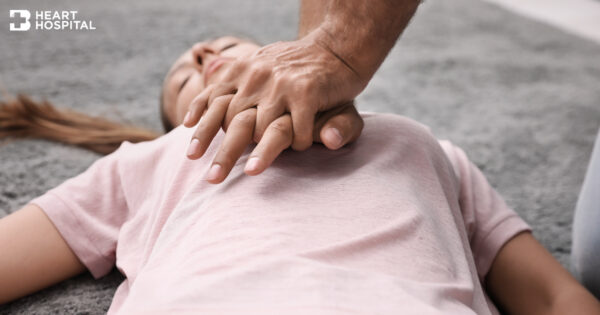
5 Steps to Survive a Heart Attack
If you are faced with unimaginable scenario where a member of your family has a heart attack, or someone suddenly becomes unconscious due to a heart attack, your priority is to try to save them by using the right method to increase their chance of survival.

Cannabis and Caffeine Increase the Risks of Heart Arrhythmia
Heart arrhythmia can happen to anybody. There are many factors that cause such condition, especially the improper use of cannabis and/or caffeine, if consumed too much, may cause heart arrhythmia.

Inadequate Sleep poses a risk of cardiomegaly
Restful sleep, regular bedtime, and appropriately adequate sleep are important not only for the well-being of your body, but they are also good for the health of your heart.
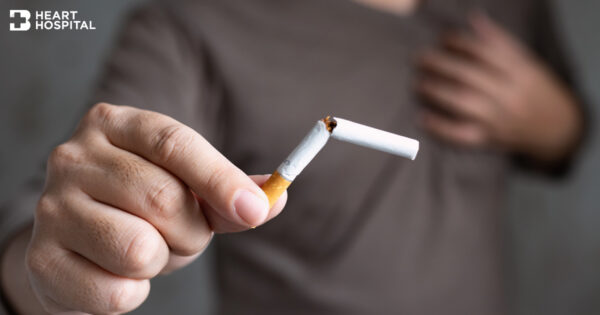
Cigarettes Destroy Your Heart & Lungs
Cigarettes are harmful to your body, causing many diseases. The longer you smoke, the more diseases you will encounter. Specifically, your heart and lungs are the most vulnerable organs to cigarettes. Knowing the danger, you should not start smoking at all. But if you are a smoker, quit immediately! It is important that you have regular annual heart and lungs check-ups.
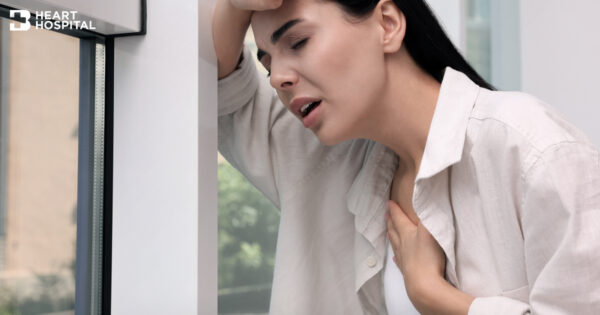
Broken Heart Syndrome: A temporary heart condition triggered by an excessive stress
It might sound hard to believe that an excessive stress can tremendously lead to serious heart problems. In fact, broken heart syndrome is a temporary heart condition that is often brought on by highly stressful events or extreme emotions which interfere with heart’s function and weaken heart muscles.
Translated by AI
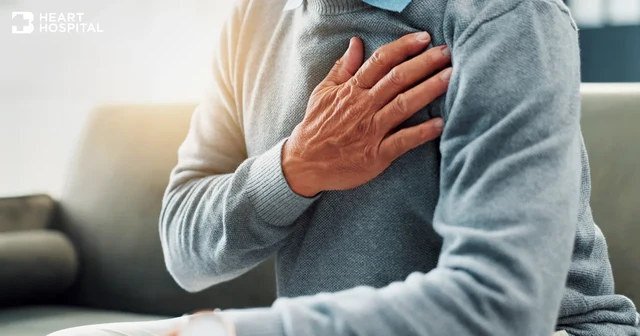
Pay more attention to 3 warning signs of heart attack
Heart attack develops when the supply of the blood to the heart is disrupted or blocked. The blockage is often caused by a buildup of fat, cholesterol and other substances, which form a plaque in the coronary arteries that feed the heart.

6 Healthy Eating Tips To Beat Cholesterol
Fat is a fuel source of your body. It creates essential fatty acids which the body cannot produce. Fatty acids help your body absorb important vitamins such as A, D, E, and K. Moreover, it compliments your food, making it more appetizing. Fat consists of cholesterol and many other fatty acids that give different kinds of benefits to your body. However, consuming high fat food can create hyperlipidemia which causes ischemic heart disease and cerebral embolism.
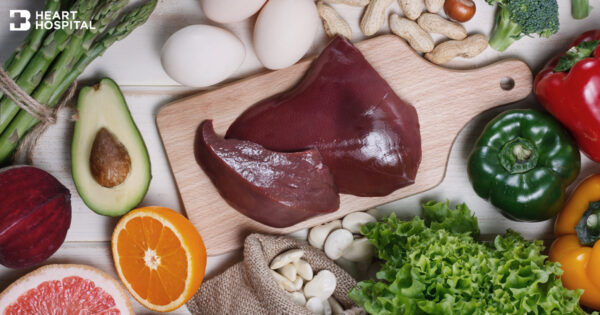
Healthy eating: Foods that help to enhance blood circulation
Eating good foods that help to nourish the blood circulatory system remains essential among other healthy lifestyle changes.

8 Eating Tips to Control Blood Pressure
Hypertension can lead to cardiovascular and cerebrovascular diseases. Healthy diets play a major role in reducing the risk of high blood pressure and related diseases.

Myocarditis caused by long COVID
COVID-19 can potentially trigger cardiovascular diseases, in both direct and indirect ways. Mounting clinical researches reveal that patients who have certain preexisting medical conditions, especially cardiovascular disease, are at higher risk for severe illnesses and related complications if they become infected with COVID-19.

Use Heart, Know Heart – Healthy heart
Cardiovascular diseases are the leading cause of death for people of most racial and ethnic groups across the world. Cardiovascular diseases are defined as a group of disorders of the heart and blood vessels, including coronary heart disease, cerebrovascular disease, rheumatic heart disease and other cardiac conditions.
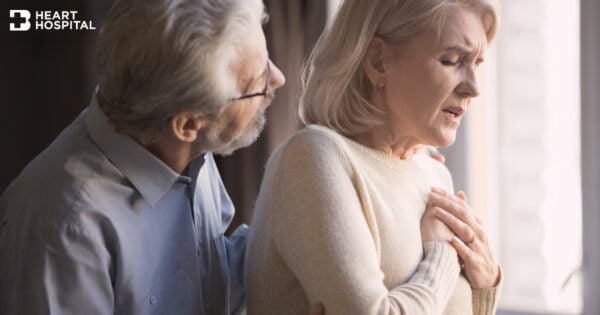
A rapid heartbeat – Warning sign of arrhythmia
A rapid heartbeat is a condition in which the heart beats faster than regular rates. Sometimes, it is normal for heart rates to temporarily rise during exercise, physical exertion or as a response to normal physiological stress or trauma.