
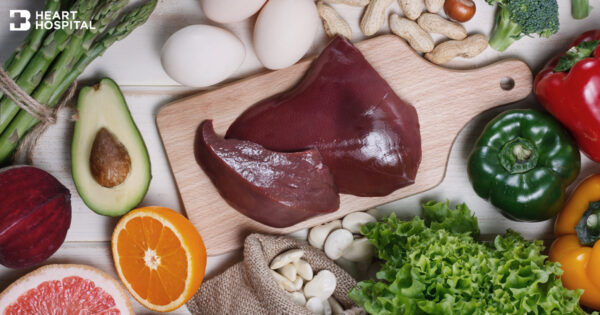
Eating good foods that help to nourish the blood circulatory system remains essential among other healthy lifestyle changes. Not only to reduce the risk for developing anemia – defined as a low number of red blood cells to carry adequate oxygen to body’s tissues, but healthy diets for blood circulation also play a crucial role in heart health. Anemia can put people at risk for a number of complications. In fact, severe anemia requires the heart to pump more blood each minute to deliver sufficient oxygen to the tissues, which might eventually lead to heart failure. Ensuring good health and staying away from anemia, consuming foods rich in iron is highly advised to improve red blood cell levels while maintain appropriate function of the blood circulatory system.
Get to know blood circulatory system in the body
The blood circulatory system delivers nutrients and oxygen to all cells in the body. The average amount of blood in adults is generally equivalent to 1/12 of total body weight. For instance, an adult weighing 60 kg. should have approximately 5 liters of blood in their body. Blood consists of main components, including plasma, red blood cells, white blood cells and platelets. Iron is considered an essential element for blood production. The body usually contains iron 40-50 mg/kg. Iron is found in red blood cells in the form of hemoglobin and stored in the liver and spleen. Red blood cell production, called erythropoiesis takes place in the bone marrow under the control of the hormone erythropoietin. They are responsible for transporting oxygen from the lungs to body’s tissues with an average life span of about 120 days. Our red blood cells are naturally destroyed by macrophages in the liver and spleen at 120 days of age. During destruction process, iron attached to red blood cells will be released back to the circulation system and reused as an important component for hemoglobin and new red blood cell production. Essential nutrients for red blood cell production are iron, folic acid and vitamin B12
Iron deficiency and anemia
Anemia is defined as a decrease in the total amount of red blood cells or hemoglobin in the blood. Different types of anemia have different causes. Iron deficiency is the most common cause of anemia. Lack of iron can result from not getting sufficient iron in daily diets, e.g. red meat and liver. Vegetarians and vegans might also pose a high prevalence of depleted iron stores. In fact, some vegetables act as iron absorption inhibitors. Recommended iron intake per day among individuals is affected by several factors, such as gender, age, growth and physical development, physiological factors, blood loss during menstruation, dietary restrictions and ongoing health issues. The median dietary intake of iron is approximately 10.4 mg/day for adult men and 9.4 – 24.7 mg/day for adult women.
Sources of iron and iron absorption
Hinging upon iron absorption, iron can be categorized into 2 main forms:
- Heme iron: Heme iron is derived from animal sources that originally contain hemoglobin, such as red meats, liver, poultry, fish and seafood. The body can highly absorb the most iron from heme sources, up to 20-30%.
- Non-heme iron: Non-heme iron can be obtained from plant foods, such as whole grains, nuts, seeds, legumes, leafy greens. Egg yolk and milk also contain non-heme iron. Nonetheless, this form is harder for the body to absorb. Absorption of non-heme iron is markedly influenced by concomitantly consumed dietary components in which enhancing and prohibiting factors play a critical role in absorption rates which only accounts for 3-5%.
Dietary planning on iron intake
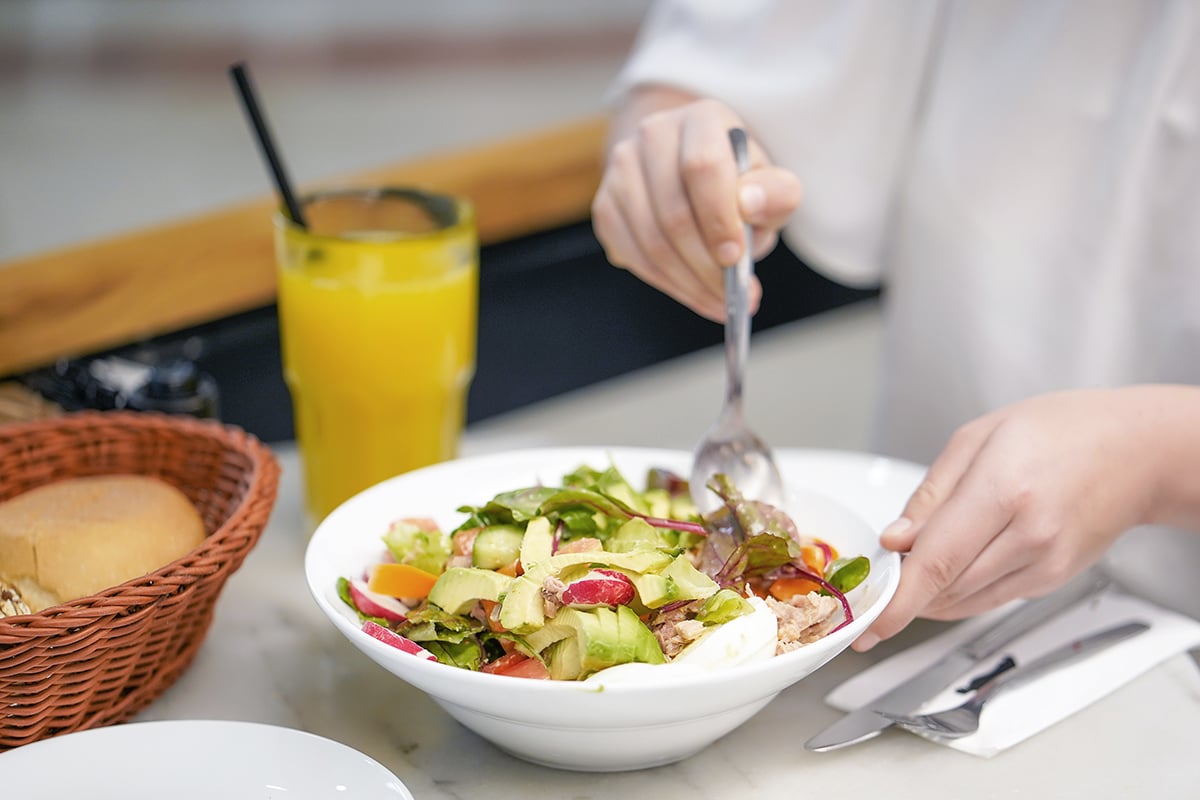
Vitamin C has been clearly proven to enhance iron absorption. It captures non-heme iron and stores it in a particular form that becomes more easily absorbed by the body. Foods high in vitamin C that should concurrently take with iron include citrus fruits, orange juice and lemonade.
- If daily food contains meats less than 30 g/day or vitamin C less than 25 mg/day, iron absorption from foods is limited, only 3-10%.
- If daily food contains meats 30-90 g/day or vitamin C 25 -75 mg/day, iron absorption from foods slightly increases to 10-12%.
- If daily food contains meats greater than 90 g/day or vitamin C greater than 75 mg/day, iron absorption from foods is substantially enhanced to more than 15%.
Choose good sources of iron
To ensure an adequate amount of daily iron intake, it is recommended to follow these tips:
- Consume more iron-rich (heme) foods, e.g. meat, liver, internal organs of chicken, fish, shrimp or prawn and edible shells.
- Maintain adequate amount of meat, 6-12 tablespoons a day, as it largely enhances the body to absorb non-heme iron from foods.
- Regularly eat fruits up to 3-5 serving portions a day, especially citrus fruits high in vitamin C to increase iron absorption (non-heme form).
- If possible, try to eat fresh iron-rich vegetable and fruits since vitamin C is easily destroyed by excessive heat from cooking.
- Do not drink cow’s milk or soy milk together with meals or with iron supplements as calcium and phosphate in cow’s milk and soy milk can substantially reduce the rate of iron absorption.