


Restful sleep, regular bedtime, and appropriately adequate sleep are important not only for the well-being of your body, but they are also good for the health of your heart. People may not realize that inadequate sleep, too much sleep, loud snoring during sleep, and insomnia do pose a risk of cardiomegaly and other heart diseases. They could become life-threatening if they are not diagnosed and treated in time.
Inadequate Sleep
- Causes from within the body include:
- Circadian rhythm disorder, late night work, irregular bedtime
- Stress, anxiety, depression
- Obesity, overweight
- Respiratory allergy
- Heart and brain diseases
- Behavioral causes include:
- Over-exercising
- Drinking beverages with caffeine
- Nicotine from smoking
- Consuming alcoholic beverages
- Environmental causes include:
- Bothersome lighting or sounds
- Uncomfortable room temperature
- Air pollution
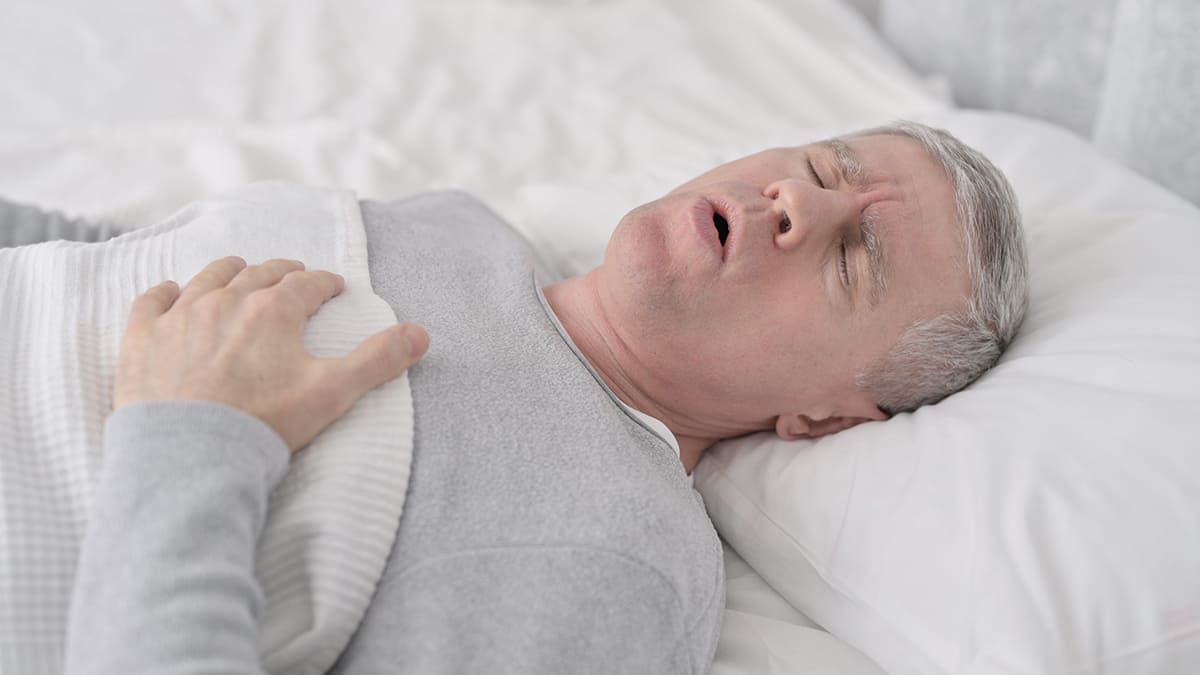
Inadequate Sleep Can Damage the Heart
Less than 6 hours of sleep
According to the National Library of Medicine, in the past 50 years, the number of hours of sleep for each person has decreased by 1.5 to 2 hours on average. Also, in the past 10 years, the duration of sleep during the workdays has shortened by 37 minutes. When a person’s sleep is less than 6 hours per day, it has an adverse effect on the heart. As the brain releases insufficient amount of melatonin, it causes the neural system to become over active; which raises the heart rate. This, in turn, increases the blood pressure and induces insulin resistance, which leads to a risk of cardiomegaly in the end.
An article in Frontiers suggests that there is a relationship between shortened sleep duration and arterial fibrillation as well as heart failure. A risk of atrial fibrillation could increase by 10%, while the possibility of a heart failure could rise by as much as 13% which would be life-threatening.
In addition, inadequate sleep could have an effect on eating habits – as a person with less sleep generally prefers to choose food that yields more energy. This causes a dietary imbalance which may lead to obesity and diabetes. A research published in PLOS indicates that a person who sleeps less than 7 hours a day tends to weigh more than someone who sleeps 7 – 8 hours a day.
More than 9 hours of sleep
For a person who sleeps more than 9 hours a day – this is someone who stays up long hours (i.e., go to bed after midnight or later) and get up late – there is a risk of heart disease. A research published in JAMA Internal Medicine shows that sleeping more than 9 hours a day can increase the risk of cardiovascular disease by 38%.
Snoring during sleep
Snoring during sleep is generally found in people who have stresses, are heavyset or suffering from obesity. They do not sleep soundly as their breathing may be interrupted occasionally, which deprives their hearts and brains of oxygen sporadically. A study published in ScienceDirect indicates that those suffering from breathing obstruction or sleep apnea are 5 times more likely to experience atrial fibrillation than someone who sleeps properly. Their conditions could cause cardiomegaly, and the subsequent blood clot could impede blood supply to the brain, leading to permanent paralysis. The risk is, again, 5 time greater than a person who sleeps well.
Inability to sleep soundly
When a person cannot fall asleep, or cannot sleep soundly or deeply, the body in unable to rejuvenate properly. An article from the American Heart Association suggests there could be a correlation between short sleep duration and high blood pressure. Shortened sleep causes bodily fat and sugar to rise which lead to inflammation in different parts of the body, as the heart function declines. The blood vessels, thus, deteriorate too quickly with detrimental effects on the heart and brain. The risk of high blood pressure here is twice as much as those who sleeps properly.
Sleep and Cardio Health Checks
In examining your sleep habits to determine any correlation with a heart disease, the doctor will assess your routines in detail – from your bedtime, your activities and their durations before going to bed, to whether you wake up, snore, or have leg movements during the night; and when you wake up whether you still feel lethargic and dull, etc.
After that, you will undergo a sleep test, to evaluate the quality of your sleep from your brain waves and the amount of oxygen in your body along with the result of your heart monitor, which would detect any irregular heartbeat while you are sleeping. Should a need arise, a cardiologist could further recommend exercise stress test (EST), or echocardiogram, or additional electrocardiogram (EKG), etc.
When treating sleep disorder, your doctor will focus primarily on the symptoms. For example: if you are sleeping inadequately, your doctor will prescribe a good sleep hygiene routine; if you sleep too much, suffer from insomnia, or snore in your sleep, your doctor will recommend sleep test as well as other screenings to determine the cause.
Sleep Habits that are Good for the Heart
- The best amount of sleep is 7 – 8 hours.
- Follow a good sleep hygiene routine.
- Keeps a regular bedtime to within 1 hours, regardless of whether it is a workday or your day off. For example, during a workday you would go to bed at 10:00 p.m. and wake up at 6:00 a.m. the next day, while it could be 11:00 p.m. and 7:00 a.m. for your day off, etc.
- Your bedroom should be dark, quiet, and cool. There should not be any electronic equipment, such as mobile phone or computer.
- Exercise regularly but it must not be too strenuous or prolonged, as it could prevent you from falling asleep. Also, do not exercise an hour before going to bed for the same reason.
- Handle your stress and anxiety appropriately beforehand, as they too can prevent you from falling asleep. A suggestion could be meditation or listening to relaxing music.
- If you have a problem sleeping – such as snoring, unable to sleep soundly, stop breathing intermittently during sleep – you need to consult a doctor immediately.
The quality of your sleep in very important. If you cannot fall asleep properly, other parts of your body may be adversely affected. It will ultimately harm your heart. Therefore, it is vital that you change your sleep habits, become aware of your well-being, and have your cardio health examined as prescribed by a cardiologist; so that you will be able to sleep healthily and maintain a strong heart.
Ref.
- https://www.ncbi.nlm.nih.gov/pmc/articles/PMC4791534/
- https://www.frontiersin.org/articles/10.3389/fgene.2021.583658/full
- https://journals.plos.org/plosone/article/figure?id=10.1371/journal.pone.0182195.g001
- https://jamanetwork.com/journals/jamainternalmedicine/article-abstract/215006
- https://www.sciencedirect.com/science/article/abs/pii/S1389945712003371
- https://www.ahajournals.org/doi/full/10.1161/01.HYP.0000217362.34748.e0