

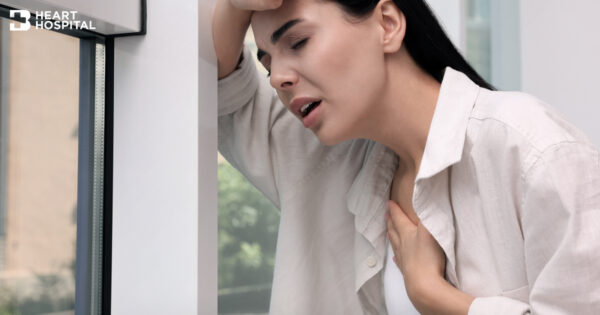
It might sound hard to believe that an excessive stress can tremendously lead to serious heart problems. In fact, broken heart syndrome is a temporary heart condition that is often brought on by highly stressful events or extreme emotions which interfere with heart’s function and weaken heart muscles. Despite the symptoms, e.g. shortness of breath and chest pain of broken heart syndrome mimic those of a heart attack, unlike a heart attack, broken heart syndrome usually makes a fast and full recovery without blocked coronary arteries or permanent heart damage. Nevertheless, its consequence might be fatal in which timely and effective care is crucially needed.
Get to know broken heart syndrome
Broken heart syndrome, also called stress cardiomyopathy is defined as a temporary and reversible heart condition caused by a surge of stress and extreme emotions. This condition was first described in Japan, named as Takotsubo cardiomyopathy. Takotsubo is the Japanese name for an octopus trapping pot with a wide bottom and narrow neck. The pot resembles the shape of the distressed left ventricle of the heart seen in broken heart syndrome, so called apical ballooning. Broken heart syndrome is strongly associated with physical or emotional stress that causes a rapid weakening of heart muscle. As a result, the condition can disrupt heart’s steady rhythm and temporarily enlarge the lower part of the left ventricle, leading to more forceful contractions in other areas of the heart which potentially induces temporary heart failure.
Causes of broken heart syndrome
Although the exact cause of broken heart syndrome remains unclear, risk factors often include:
- Intense physical and emotional stress: These usually refer to:
- Physical illness
- Grief from the death of a loved one and other meaningful loss, such as divorce or breakup
- Financial troubles, such as losing job or bankruptcy
- Extreme disappointment
- Severe trauma
- The use of certain drugs, such as illegal stimulant drugs
- Other stressors, such as intense fear and strong anger
- Both accumulated stress and a surge of stress that suddenly happens can substantially induce the forceful constriction of the blood vessels while altering normal rhythm pattern, causing a temporary heart failure and fatal arrhythmias.
- Hormonal changes: Postmenopausal women are at greater risk of developing broken heart syndrome due to the decreased level of estrogen hormone. Women have estrogen receptors which play an essential role in preventing heart disease. After menopause, this protection is diminished and the risk of broken heart syndrome subsequently increases.
Signs and symptoms
Warning manifestations of broken heart syndrome are:
- Chest tightness
- Chest pain
- Shortness of breath
- Difficulty breathing
- Fainting or lightheadedness
- Low blood pressure

Diagnosis
To diagnose broken heart syndrome, the cardiologist usually performs a physical exam and ask questions about symptoms as well as medical history. Diagnosis involves:
- Taking medical history
- Blood tests
- Electrocardiography (ECG or EKG). This test measures the electrical activity of the heart. The ECG results for broken heart syndrome appear to be quite similar to those with acute coronary artery disease.
- Echocardiography. As a noninvasive test, it uses sound waves to create images of the heart’s size, structure and motion. Echocardiography can show if the left ventricle is in abnormal size with systolic dysfunction, which may be a sign of broken heart syndrome.
- Coronary angiography (CAG). CAG uses X-ray imaging to see the heart’s blood vessels. During the procedure, dye is injected into the blood vessels of the heart. Subsequently, coronary computed tomography angiography (CTA Coronary) is deployed to visualize the vessels.
Treatment of broken heart syndrome
Principally, given treatments are similar to those of heart attack and acute heart failure until the diagnosis is clearly made. Most patients need to be hospitalized while recovering. The severity of broken heart syndrome widely ranges from mild to fatal. In patients presenting with mild or moderate symptoms, main treatment usually involves certain medications to reduce the strain on the heart and prevent further attacks. In severe cases accompanied by acute heart failure, intubation and mechanical ventilator might be additionally required. According to international literature, the death rate is approximately 1% among broken heart syndrome patients, therefore the condition is temporary and reversible. Nevertheless, the recurrence rates range from 2% to 5%. Taking steps to efficiently manage stress as a major contributing factor can improve heart health and help preventing broken heart syndrome.
Prevention of broken heart syndrome
- Appropriately manage excess stress by using a variety of techniques, e.g., staying relaxed, changing attitude and expectation and meditation.
- Share life story with others, such as family and friends. Spending time with whoever cares and listens to you helps to mitigate emotional tensions.
- Take good care of health by getting physically active, eating healthy food and having enough rest.
- Explore life and set aside leisure time in routine schedule, such as travelling, cooking, hiking in the forest, petting, planting and gardening.
- Have regular heart check-up conducted by an expert cardiologist in addition to annual health check-up.
Although broken heart syndrome is a temporary and reversible heart condition, excess stress acts as a trigger factor to provoke the symptoms. The best preventive approach is to efficiently cope with physical and emotional stress to strengthen the heart’s health in the long run. As the symptoms of broken heart syndrome mimic those of heart attack, when any abnormal sign arises, immediate medical attention must be sought.