
When it comes to arrhythmia, many people may think it is something far removed from them, when in fact this condition can occur at any age. The causes can include heart disease and coronary artery disease, underlying conditions such as hyperthyroidism, as well as lifestyle behaviors, environmental factors, and genetics—all of which can contribute to this condition. The severity can be life-threatening and may lead to sudden death. Therefore, being aware of arrhythmia is important and deserves attention.
At present, patients with coronary artery narrowing are the most commonly found group at approximately 70%, including those with underlying diseases or those taking certain medications. Past data show that arrhythmia in Thai people can be found in 40 out of 1,000 people, and the trend continues to rise. It is most commonly found in the elderly aged 65 years and older, but anyone can have arrhythmia as well.
What is arrhythmia?
Arrhythmia is an abnormality in the generation of the heart’s electrical impulses or in electrical conduction in the heart, or both combined. This results in the person with the condition feeling that the heart beats too slow or too fast, different from usual, and may have abnormal heartbeat patterns as follows:
- Abnormally slow heartbeat: fewer than 60 beats per minute
- Abnormally fast heartbeat: faster than 100 beats per minute
- Irregular, non-uniform rhythm, such as beating then pausing, or alternating between fast and slow beats
Arrhythmia: what causes it?
Many people wonder what causes arrhythmia. This abnormality is not caused by behavior alone; it can arise from multiple factors including
- Heart and vascular diseases such as coronary artery narrowing, hypertrophic cardiomyopathy, congenital heart disease, hypertension, and abnormal heart valves
- Underlying diseases such as hyperthyroidism, diabetes, obesity, chronic kidney failure, and snoring with obstructive sleep apnea, etc.
- Some cold medicines that contain pseudoephedrine, which has a stimulating effect on the heart
- Beverages containing caffeine such as tea, coffee, soft drinks, energy drinks, and alcohol
- Some illicit drugs containing amphetamines
- Weight-loss drugs containing sibutramine
- Genetics
Arrhythmia: what are the symptoms?
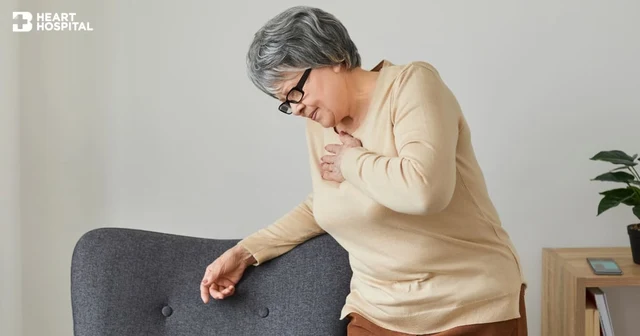
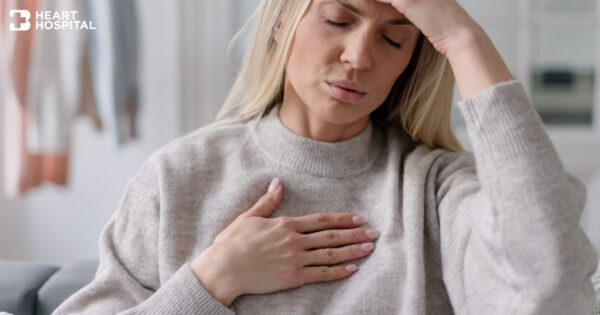
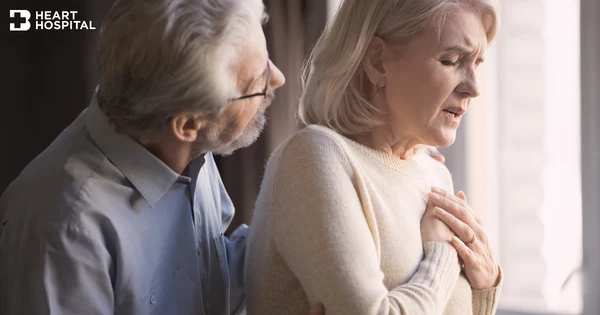
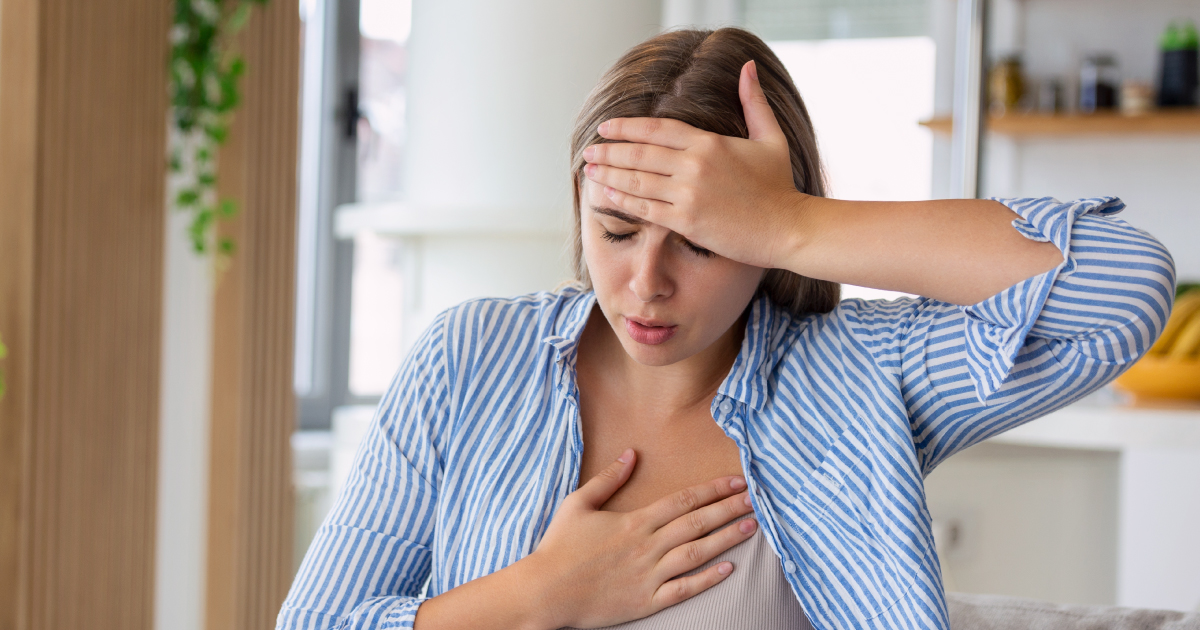
Arrhythmia symptoms that appear and warrant immediate medical attention include:
- Abnormal palpitations
- Near-fainting
- Dizziness/lightheadedness
- Fainting
- Tightness rising up the throat, tongue rolling back
- Chest tightness/pain
- Fatigue, lack of energy
- Unable to lie flat
How isarrhythmia diagnosed?
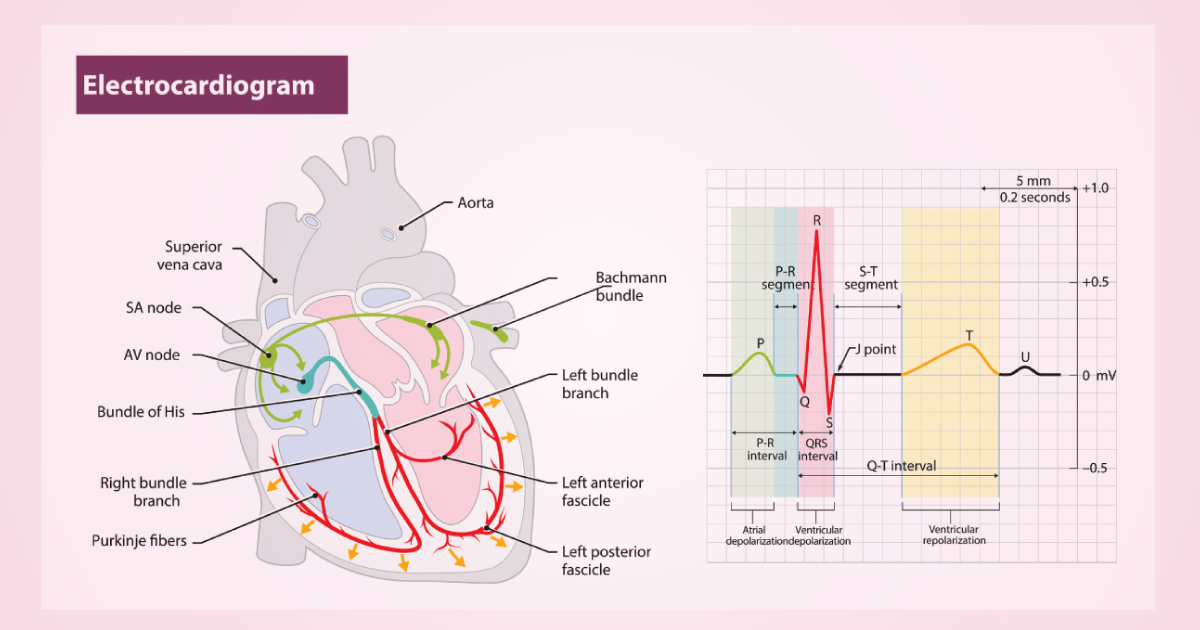
Testing for arrhythmia to diagnose arrhythmia can be done in several ways including
- Electrocardiogram ECG (Electrocardiogram) Suitable for patients who have symptoms all the time
- Electrical signal recording for 24 – 48 hours (Holter Monitoring 24 – 48 hr.) Suitable for patients with arrhythmia for short periods but occurring frequently almost every day
- Portable electrical signal recorder (Event Recorder) Suitable for patients with infrequent arrhythmia, perhaps 1 – 2 times per month. The device records short intervals and a button can be pressed to send the ECG recording to the hospital.
- Implantable electrical signal recorder placed under the skin in the chest area (Implantable Loop Recorder) Suitable for patients with infrequent arrhythmia; implanted in the left chest area
- Checking abnormal electrical signals in the heart using a cardiac catheter (EP Study) Used when arrhythmia cannot be detected by the tests mentioned above
Approaches to arrhythmia treatment
Arrhythmia treatment depends primarily on what type of arrhythmia the patient has including:
- Anti-arrhythmic medication
- Electrical cardioversion to restore a normal heartbeat
- Catheter ablation using a special catheter inserted through the femoral vein in the groin
- Pacemaker (Pacemaker) Inserted for patients with abnormally very slow heartbeats. There are 2 types: single-chamber and dual-chamber pacing. The choice of implantation depends on the patient. The battery lasts more than 10 years and is compatible with MRI.
- Automatic implantable cardioverter-defibrillator or automatic electrical shock device (AICD) For patients with abnormally fast ventricular rhythm. If the heart does not return to normal quickly, it may be fatal. The battery lifespan is 7 – 8 years or more. The advantage is that if a life-threatening arrhythmia occurs at home, the device will automatically shock the heart so the patient can regain consciousness.
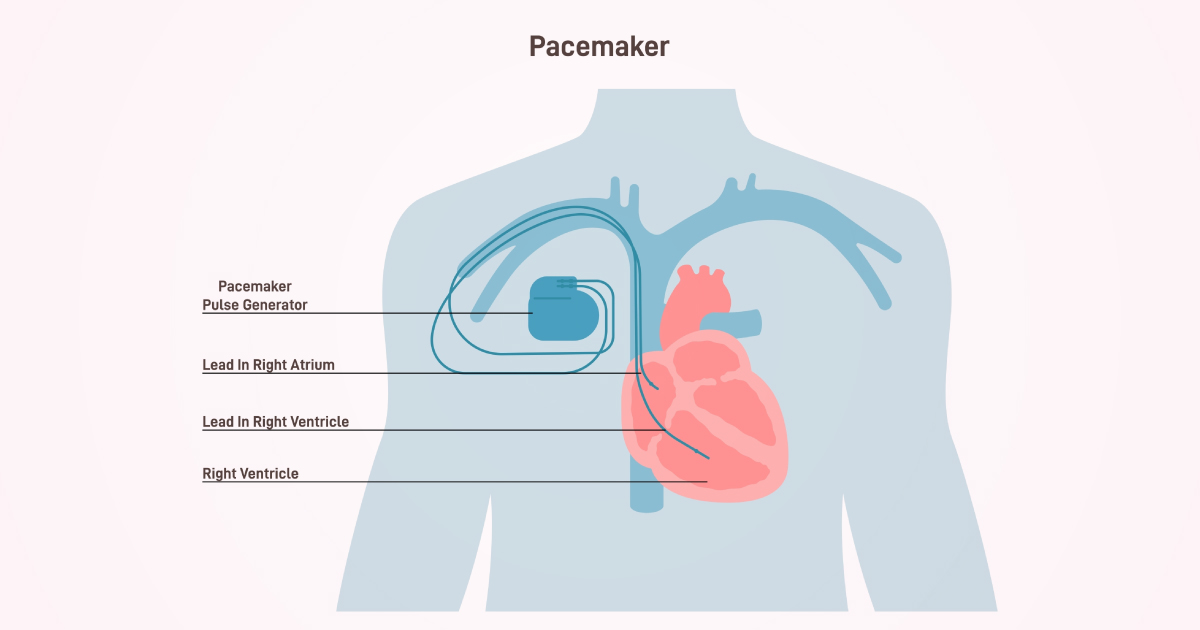
Pacemaker (Pacemaker) what is it?
Arrhythmia can be treated with a pacemaker (Pacemaker) which is a battery-powered electronic device that stimulates the heart to beat. It is used to treat abnormally slow heart rate or temporary cardiac arrest when the heart cannot pump blood to supply the body’s organs.
How many types of (Pacemaker) pacemakers are there, and what are the advantages of each?
Pacemakers (Pacemaker) are divided into 2 types as follows:
Temporary pacemaker (Temporary Pacemaker)
There are 2 types:
- Transcutaneous temporary pacemaker (Transcutaneous Pacemaker) Located outside the body, with electrode pads placed on the front and back of the left side of the chest. The advantage is ease of use, suitable for emergency cases.
- Transvenous temporary pacemaker (Transvenous Pacemaker) The pacemaker unit is outside the body, but an electrode lead is threaded through a vein to the right ventricle to stimulate heartbeats. The advantage is that it delivers stimulation signals directly to the target location.
Permanent pacemaker (Permanent Pacemaker)
This is the implantation of a pacemaker performed by a cardiology specialist. The doctor makes an incision in the chest area beneath the collarbone to insert pacing leads through a vein to the inner wall of the heart, connecting them to the pacemaker to address slow or irregular heartbeats. The advantage is low risk; after the wound heals, patients can return to normal life.

What should you do after pacemaker implantation?
- After pacemaker implantation, you must stay in the hospital so the doctor can monitor the device’s function and check the patient’s heartbeat.
- Be careful not to let the wound get wet until it is completely dry, which takes at least 2 weeks.
- Do not raise the arm, or try to avoid using the arm on the same side as the pacemaker, for at least 2 months.
- Do not lift heavy objects; avoid strenuous activities for 2 months.
- Keep every appointment to have the pacemaker function checked.
- If you need medical treatment or surgery, always inform the doctor that you have a pacemaker.
- If you need to fly, when passing through a metal detector, always inform the staff.

How can arrhythmia be prevented?
- Exercise regularly for 45 minutes/day, 3 – 5 days/week
- Eat a complete diet from all 5 food groups
- Avoid eating too much sweet, fatty, or salty food
- Avoid foods and drinks that stimulate the heart
- Get enough sleep, 6 – 8 hours/day
- Do not be overly stressed
- Have an annual heart health check
- If you have underlying diseases, follow up with your doctor regularly
Hospital specialized in arrhythmia treatment
Arrhythmia Clinic Bangkok Heart Hospital is ready to care for and treat all abnormalities of heart rhythm, especially arrhythmia. We specialize in ablation of the source of abnormal heartbeats, pacemaker implantation, and treating arrhythmia in every dimension, with an experienced medical team, standardized and modern equipment, and the readiness of nurses and a multidisciplinary team for effective treatment—so you can maintain a strong, healthy heart for a long time.
Doctors specialized in arrhythmia treatment
Dr.Yossavee Ukkayagorn Cardiologist Bangkok Heart Hospital
You can click here to make an appointment yourself.
Arrhythmia treatment and pacemaker package
Arrhythmia treatment and pacemaker package
Article summary
Arrhythmia is a condition that affects the circulatory system and may be life-threatening if neglected. Monitoring your own abnormal symptoms, adjusting behaviors to reduce risk factors, and receiving timely diagnostic evaluation by a specialist are key to coping with the condition and planning the correct treatment.
Frequently asked questions (FAQ) about arrhythmia
1. Is an abnormally fast “thumping” heartbeat dangerous?
If you feel a thumping heartbeat or rapid palpitations without exercising, it may be a warning sign of an electrical short circuit in the heart. You should promptly see a doctor for an electrocardiogram (ECG) to confirm before experiencing near-fainting or loss of consciousness.
2. What causes heart “twitching”?
Heart twitching is often associated with stress, insufficient rest, consuming large amounts of caffeine, or premature extra electrical signals originating in the heart, making it feel like the heartbeat stumbles or twitches.
3. How can I do initial self-care for arrhythmia?
When experiencing palpitations, sit and rest in a well-ventilated place, try to breathe in deeply and slowly, avoid tea and coffee, and if symptoms do not improve within 10–15 minutes or you also feel dizzy/lightheaded, go to the hospital immediately. Do not buy and take medication on your own.
4. After pacemaker implantation, can I fly?
People with a pacemaker can fly as usual. However, when passing through the security checkpoint, you should inform the staff and present your pacemaker patient ID card so that staff can use a hand-held metal detector instead of having you walk through the magnetic gate.