
When the heart’s natural electrical system experiences disruptions, daily life can become challenging for patients due to fatigue, dizziness, or more severe health complications. Modern medical advancements offer highly effective solutions to regulate heartbeats, restore optimal cardiovascular function, and significantly enhance overall well-being. This article from Bangkok Heart Hospital explores the essential aspects of receiving a cardiac pacing device, detailing the mechanics, preparatory steps, surgical procedures, and what patients can realistically expect during the recovery period.
What Is a Pacemaker?
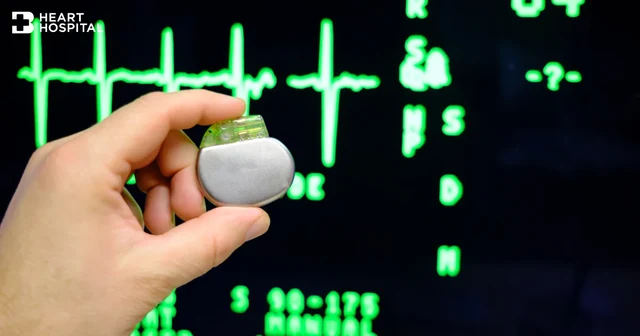
A pacemaker of the heart is a small, life-saving electronic device implanted primarily in the upper chest to monitor and consistently regulate abnormal heart rhythms. Acting as a dependable artificial electrical system, it is specifically designed for patients whose natural heartbeats are too slow, interrupted, or irregular. The device continuously observes the heart’s daily activity and, when necessary, delivers precise, painless electrical impulses to stimulate the heart muscle.
How a Pacemaker Works
- Pulse Generator: This small metal case acts as the device’s brain and power source, housing a long-lasting battery and a tiny computer that regulate the exact timing of the impulses sent to the heart.
- Leads and Electrodes: These insulated wires are carefully threaded through a major vein directly into specific chambers of the heart, allowing the device to deliver electrical signals that stimulate the heart muscle to contract.
- Demand Pacing: Sophisticated modern devices continuously sense the heart’s natural electrical activity, deploying electrical impulses only when the patient’s heartbeat drops below a safely programmed limit, ensuring the device never competes with natural rhythms.
Why Use a Pacemaker

The primary reason patients require this device is to effectively treat a cardiac bradyarrhythmia, a potentially dangerous condition where the heart beats too slowly, or even cardiac pause ensuring adequate blood flow to the body.
Conditions such as severe bradycardia (abnormally slow heart rate), heart block (delayed or blocked electrical signals), or tachy-brady syndrome cause debilitating symptoms like sudden fainting, extreme fatigue, limited physical activity, and chest pain. By normalizing the heart’s electrical conduction system, the implanted device ensures that vital organs consistently receive sufficient oxygenated blood, thereby preventing life-threatening cardiac events and greatly improving the patient’s quality of life.
Prepare for the Implantation
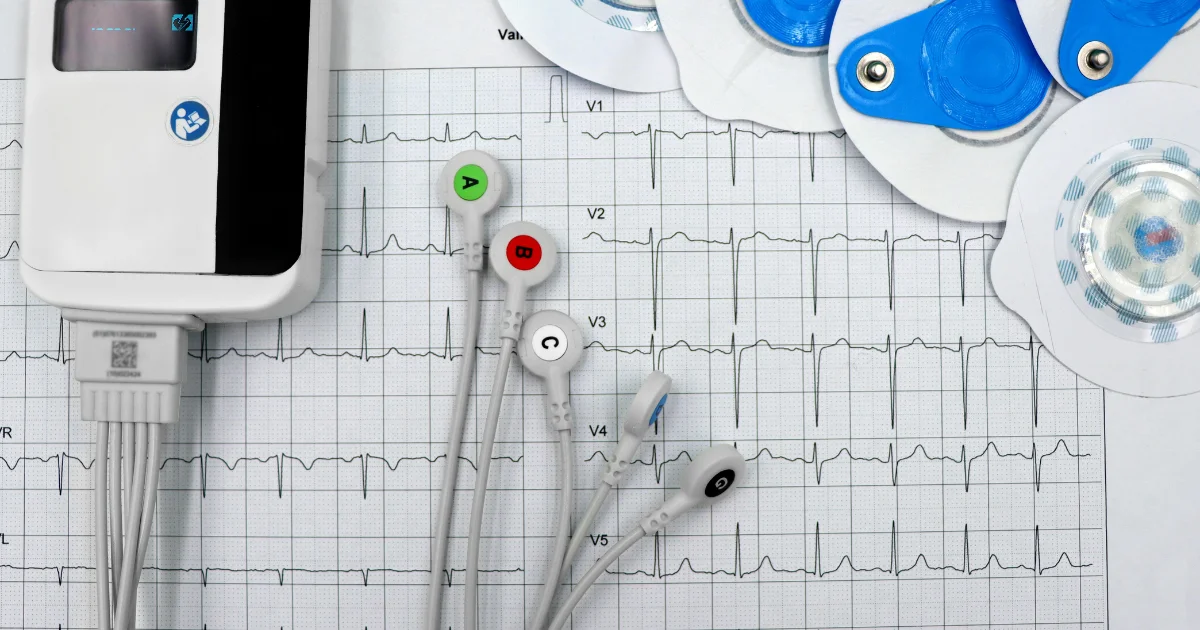
Proper preparation is a vital component in ensuring patient safety and the overall success of the medical procedure. Patients are typically instructed to fast from all food and beverages for at least eight hours prior to the surgery to minimize any risks associated with anesthesia and sedation. Furthermore, physicians conduct a thorough medical evaluation that involves reviewing all current medications to pause certain drugs like blood thinners, alongside administering preliminary blood tests and electrocardiograms to accurately assess the patient’s physiological baseline before entering the operating room.
Procedure
The pacemaker surgery is a carefully orchestrated medical process designed to ensure optimal safety and efficacy, transitioning smoothly from initial operating room preparations to the active implantation and immediate post-operative care.
Before the Procedure
Patients are guided into the procedure room, connected to vital sign monitors (such as an electrocardiogram), and administered intravenous (IV) sedation to induce relaxation. The surgical site, typically just below the collarbone, is then thoroughly cleansed with an antiseptic solution and numbed completely with a local anesthetic to ensure patients remain comfortable.
During the Procedure
Over the course of approximately one to two hours, the surgeon makes a minor incision and threads the insulated leads through a major blood vessel directly into the heart using real-time X-ray guidance (fluoroscopy). Once the electrodes are accurately positioned and tested for proper electrical conduction, the surgeon securely connects these wires to the pulse generator, which is then carefully placed just beneath the skin.
After the Procedure
Once the device is successfully implanted and its pacing functions are fully verified, the incision is seamlessly closed using sutures, adhesive strips, or medical glue. A sterile bandage is applied to the site, and patients are safely transferred to a dedicated recovery room for close observation by the medical team.
Recovery
Returning to a normal daily routine is a gradual process that strictly requires patients to adhere to temporary physical limitations so the inserted leads can securely attach to the inner walls of the heart. For at least 2-4 weeks, patients must completely avoid lifting heavy objects or reaching the arm on the implanted side above shoulder level to prevent accidentally dislodging the wires from their delicate position. Long-term recovery also involves carrying a designated medical identification card, keeping a safe distance from strong magnetic fields such as MRI machines or high-voltage radar equipment, and attending scheduled follow-up appointments to allow physicians to monitor the device’s battery life, which reliably lasts an average of ten years.
Risks and Complications
While the procedure is globally recognized as highly safe and routinely performed, implanting any electronic device inherently carries rare medical risks that patients must be thoroughly educated about to ensure they can promptly seek medical evaluation if alarming symptoms arise.
- Infection and Bleeding: Localized bacterial infections, internal bleeding can potentially develop at the upper chest incision site.
- Tissue and Vessel Damage: Accidental structural damage to surrounding blood vessels or a minor lung puncture (pneumothorax) may occur during the delicate lead insertion phase.
- Device Shifting: In highly unusual circumstances, the pacemaker leads may dislodge or be pulled out of their intended cardiac position.
- Allergic Reactions: Patients might exhibit an unexpected allergic reaction to the surgical medications or anesthesia used during the operation.
Comprehensive Healthcare Services
Bangkok Heart Hospital is the first private specialized heart hospital in Thailand. The facility utilizes current medical equipment and tools to support the diagnosis and treatment of heart conditions, including pacemaker implantations, complete with a continuous care system from initial treatment through recovery. Experienced medical professionals specialize in cardiovascular care and are equipped to serve both domestic and international patients with an approach to care that emphasizes patient well-being and efficiency.
Frequently Asked Questions
How risky is pacemaker implantation?
The procedure is generally very safe and routine. While minor complications like infection, bleeding, or swelling at the incision site can occur, life-threatening risks are extremely rare.
Is pacemaker implantation major surgery?
No, it is typically considered a minor, minimally invasive surgery. It is most often performed under local anesthesia with light sedation, and the entire process usually takes only one to two hours to complete.
What is the most common reason for pacemaker implantation?
The most common reason is to correct an abnormally slow heartbeat, a condition medically known as bradycardia. It ensures the heart pumps at an appropriate rate to supply the body with enough oxygenated blood.