


Translated by AI
What is GFAP disease? Symptoms, causes, diagnosis, and treatment you should know
GFAP Astrocytopathy is a neurological disease associated with abnormalities of the immune system, causing inflammation of the brain, meninges, and spinal cord. Learn about the causes, warning signs, GFAP-IgG testing, MRI examination, and treatment approaches, including care and symptom monitoring to reduce the risk of complications.

Translated by AI
What should Parkinson’s patients not eat? What foods and medications should be avoided?
What should Parkinson’s patients avoid eating? Check the groups of foods and medications to avoid to prevent reduced drug effectiveness and lessen swallowing problems, along with appropriate nutritional recommendations for Parkinson’s patients.

Translated by AI
How many stages does Alzheimer’s disease have? What are the symptoms in each stage, and how is it treated?
Understand how many stages Alzheimer’s disease has, how the symptoms differ in each stage, along with recommendations for care and treatment and for adjusting the environment to suit the patient for a good quality of life.

Translated by AI
8 Ways to Manage Accumulated Stress on Your Own: Adjust Physical and Mental Balance to Suit Your Age
8 Ways to Manage Chronic Stress on Your Own: Rebalance the Nervous System and Mental Well-Being, with Guidelines to Check for Insomnia, So You Can Return to Good Health Again

Translated by AI
What is Cluster Headache? Causes, Symptoms, and Treatment Methods
Cluster headache (Cluster Headache), or “Suicidal Headache,” is one of the most severe types of headache. It often causes pain around one eye, along with tearing and nasal congestion. This article will take an in-depth look at the differences between cluster headache and migraine, along with treatment methods to restore a good quality of life.

Translated by AI
Meningitis (Meningitis): Warning Signs, Causes, Treatment Guidelines
Meningitis is an infection that can be life-threatening. Know the warning signs such as high fever, stiff neck, headache, along with treatment guidelines and prevention with vaccines.

Translated by AI
Anti-Amyloid Therapy treats early-stage Alzheimer’s before severe dementia
Anti-Amyloid Therapy is a treatment for early-stage Alzheimer’s disease that aims to slow brain deterioration, reduce amyloid accumulation, and help maintain the patient’s quality of life for a longer time.

Translated by AI
Stroke in the working-age population that should be aware (Stroke in the young)
Stroke is not only a problem for the elderly. Working-age individuals who are stressed, get little rest, or have underlying health conditions are also at risk. Recognizing the causes, warning signs, and preventive measures can help avoid severe, life-threatening situations.

Translated by AI
Headache from High Cerebrospinal Fluid Pressure: A Silent Threat to Modern People
Intracranial hypertension is the hidden cause behind chronic headaches and blurred vision, which if neglected may lead to vision loss. Recognizing warning signs, early diagnosis, and weight control are key to preventing and treating this condition.

Translated by AI
Symptoms of migraines you may have never noticed
Migraine is not just a headache. Hidden symptoms like sensitivity to light, sound, smell, or dizziness may occur even when not experiencing a headache, known as interictal symptoms. If detected early, it can help in self-care and reducing the severity of the condition.

Translated by AI
Migraines and Depression: A Connection That Should Not Be Overlooked
Migraine is not just a headache disorder but is clearly linked to depression, through neurotransmitter mechanisms, genetics, and stress. The treatment of both conditions should be conducted concurrently by a specialized medical team.
Translated by AI
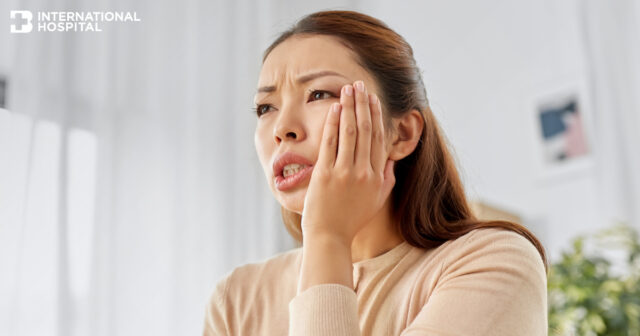
Hemifacial spasm: Quick treatment helps maintain confidence
Hemifacial spasm is a condition that can occur when the muscles on one side of the face twitch uncontrollably, especially during times of stress or excitement. It is commonly found in middle-aged individuals. When it occurs, it can lead to a loss of confidence and cause anxiety. Therefore, it is advisable to see a doctor for prompt treatment.