



Many people may think chronic headaches are just migraines or stress, but in reality, they can be a sign of an unexpected dangerous condition known as Intracranial Hypertension (IH). If diagnosed late, it can be severe enough to cause blindness.
What is Intracranial Hypertension?
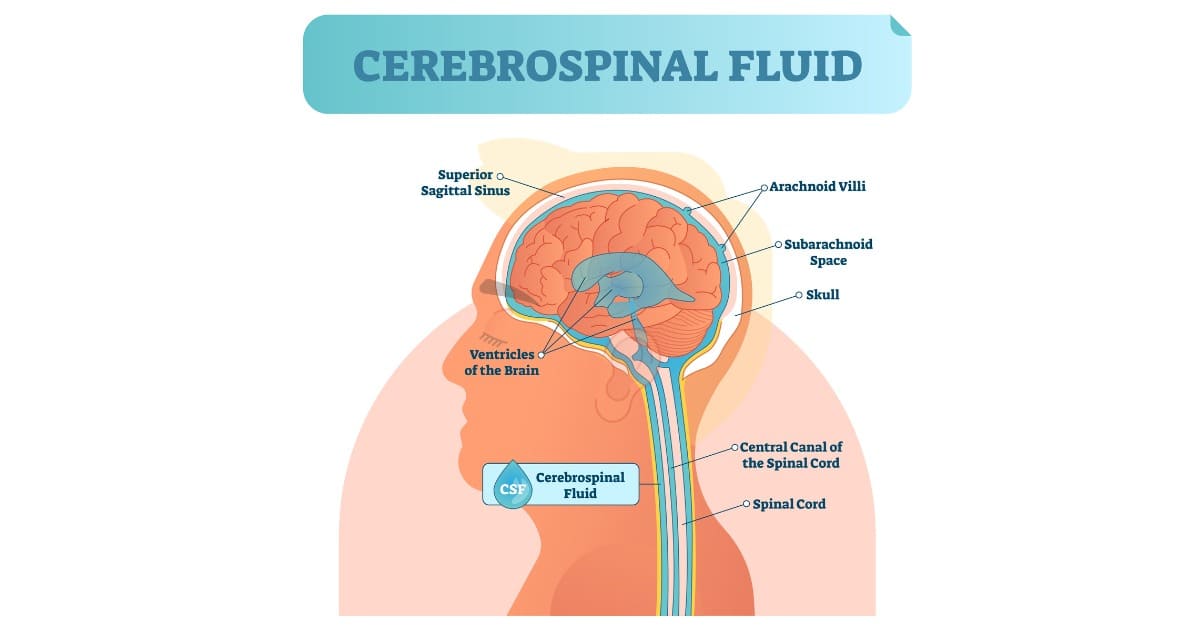
The skull contains the brain, blood vessels, and cerebrospinal fluid (CSF). This cerebrospinal fluid protects the brain and spinal cord from impacts and helps eliminate waste from the brain.
Normally, the body maintains a balance of production and absorption of cerebrospinal fluid. However, if too much is produced, less is absorbed, or there is an obstruction in circulation, the pressure inside the skull will increase, leading to Intracranial Hypertension (IH).
If no other causes such as brain tumors or cerebral venous thrombosis are found, it is called Idiopathic Intracranial Hypertension (IIH), a condition commonly found in overweight women.
How dangerous is Intracranial Hypertension?
- Silent threat: Many patients have experienced headaches for a long time but thought it was a migraine, leading to a lack of proper treatment.
- Affects vision: If left untreated, high pressure can compress the optic nerve, causing vision loss.
- Quality of life declines: Headache, dizziness, and blurred vision can affect work and daily life.
What are the symptoms of Intracranial Hypertension?
- Headache and neck pain, including
- Heavy or throbbing pain, often worse in the morning, while lying flat, or when coughing, sneezing, or straining
- Stiff neck and shoulder pain
- Often persistent or daily pain, sometimes severe enough to disturb sleep and daily life
- Dizziness, nausea, vomiting, sensitivity to light due to increased brain pressure
- Ringing in the ears (Tinnitus), hearing a throbbing or buzzing sound in sync with the pulse
- Visual disturbances, including
- Occasional blurred vision like shadows or curtains covering the eyes (Transient Visual Obscurations)
- Double vision due to the pressure on the sixth cranial nerve
- If chronic, it leads to narrowing of the visual field and permanent vision loss

Who is at risk of Intracranial Hypertension?
- Working-age women, especially between the ages of 20-50
- Individuals who are overweight or obese
- Those who use certain medications such as some types of birth control, steroids, certain antibiotics (like Tetracycline, Fluoroquinolone), Lithium, acne medications (Isotretinoin), or those who have high vitamin A intake
- Individuals with a history of brain infections or inflammation
- Those with certain medical conditions, such as
- Sleep apnea
- Endocrine disorders such as thyroid abnormalities, diabetes, Hypoparathyroidism, Addison’s Disease
- Autoimmune disorders such as SLE (Systemic Lupus Erythematosus)
How is Intracranial Hypertension diagnosed?
Physicians use various methods to diagnose Intracranial Hypertension, such as
- Eye examination to check for papilledema and venous pulsation
- Brain imaging (MRI brain, MRV brain with contrast) to find the cause of increased brain pressure, such as tumors or cerebral venous thrombosis
- Lumbar puncture to measure the cerebrospinal fluid pressure directly and check for CSF abnormalities

Treatment approach for Intracranial Hypertension
- Weight loss is crucial. Studies have shown that losing more than 6% of body weight significantly improves symptoms.
- Medication
- The most commonly used medications are Acetazolamide or Topiramate to reduce CSF production
- Diuretics such as Furosemide
- Weight loss medications such as GLP-1 and Dual GIP/GLP-1 Receptor Agonists
- Surgery in cases of severe symptoms or risk of vision loss
- Shunt placement to drain CSF from the brain
- Optic Nerve Sheath Fenestration to relieve pressure on the optic nerve
Warning signs to see a doctor
If you have chronic headaches along with intermittent blurred vision or ringing in the ears, don’t think it’s normal. It may be a warning sign of Intracranial Hypertension, and you should see a doctor immediately, especially for overweight women. Early detection of Intracranial Hypertension helps ensure appropriate treatment and reduces the chance of severe complications.
Intracranial Hypertension is a condition many overlook because its symptoms resemble general headaches, but in reality, it’s a silent threat that can destroy vision. Observing symptoms, consulting a doctor, and maintaining health, especially by controlling weight, is key to preventing and treating Intracranial Hypertension.
Doctors specializing in the treatment of Intracranial Hypertension
Dr. Kiratikorn Vongvaivanich, a neurologist specializing in the treatment of headaches and migraines at Bangkok International Hospital, Brain and Bone Hospital.
You can click here to make an appointment by yourself.
Hospitals specializing in the treatment of Intracranial Hypertension
The Brain and Nervous System Center, Bangkok International Hospital, Brain and Bone Hospital is ready for the diagnosis and treatment of Intracranial Hypertension with specialized doctors and multidisciplinary physicians having expertise and modern treatment technology, ensuring patients live a quality life every day.
Reference
- Diagnosis and treatment of idiopathic intracranial hypertension. Cephalalgia. 2021 Apr;41(4):472-478. doi: 10.1177/0333102421997093. Epub 2021 Feb 25.97-205.
- Understanding idiopathic intracranial hypertension: mechanisms, management, and future directions. Lancet Neurol. 2016 Jan;15(1):78-91. doi: 10.1016/S1474-4422(15)00298-7. Epub 2015 Dec 8.
- Obesity and Weight Loss in Idiopathic Intracranial Hypertension: A Narrative Review J Neuroophthalmol . 2017 Jun;37(2):1 doi: 10.1097/WNO.0000000000000448.
- Efficacy and Safety of GLP-1 and Dual GIP/GLP-1 Receptor Agonists in Idiopathic Intracranial Hypertension: A Systematic Review and Meta-Analysis. Eur J Neurol. 2025 Sep;32(9):e70358. doi: 10.1111/ene.70358.