



Meningitis (Meningitis) is one of the serious diseases that should not be overlooked because it can be life-threatening. Close monitoring, recognizing warning signs, proper care and treatment, and prevention such as vaccination not only help increase survival rates but also reduce complications that can have severe, long-term impacts on health.
What is meningitis?
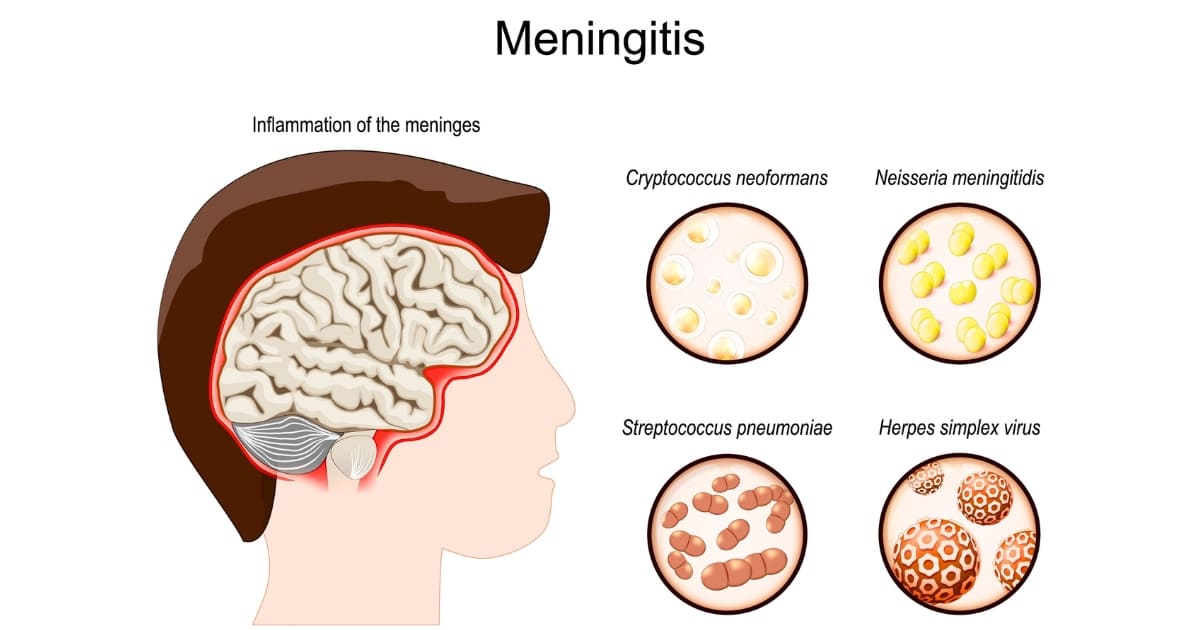
Meningitis (Meningitis) is an infection and inflammation of the membranes covering the brain and spinal cord, which play an important role in protecting the central nervous system. The inflammation may be caused by viral, bacterial, fungal infections, and other causes. You should see a doctor as soon as possible for treatment before complicationsfrom encephalitis such as a bloodstream infection or hearing loss occur, which can be life-threatening.
What causes meningitis?
Meningitis can be caused by several factors, including:
- Viral infection Symptoms range from mild to very severe.
- It may occur after having a cold; symptoms are often not severe and usually resolve on their own within 7 – 10 days
- From eating undercooked or raw food, larvae of parasites may travel to the brain. Symptoms are often subacute, lasting around 2 – 4 weeks.
- Bacterial infection The most dangerous because it may cause disability or death. Rapid diagnosis and timely antibiotics help reduce disease severity.
- Fungal infection Often found in patients with low immunity or immunodeficiency, and those exposed to fungal sources such as pigeon droppings. Although uncommon, it is very severe.
- Tuberculosis infection Causes neurological abnormalities when the bacteria that cause tuberculosis spread to the meninges, resulting in tuberculous meningitis.
- Other causes such as chemicals, head injury, autoimmune diseases, and cancer, require the most urgent treatment.
What are the symptoms of meningitis?
- Sudden high fever
- Severe headache
- Nausea, vomiting
- Stiff neck; pain at the nape of the neck and occiput
- Confusion
- Sensitivity to light
- Seizures, dizziness, loss of consciousness

Who is at risk for infectious meningitis?
- Those who have not been vaccinated against meningitis
- Young children under 5 years old
- Teenagers or young adults under 20 years old
- Those living in large groups, such as schools and dormitories
- Those with a weakened immune system, including pregnant women
- Those with immunodeficiency, such as AIDS patients and those who must take immunosuppressive drugs

How is meningitis diagnosed?
- Medical history taking and physical examination
- Laboratory tests
- Blood culture to identify pathogens that cause meningitis
- Brain CT scan (Computerized Tomography: CT Scan)
- Brain MRI (Magnetic Resonance: MRI)
- Lumbar puncture to examine cerebrospinal fluid for the clearest assessment of meningitis

Treatment guidelines for meningitis
Treatment for meningitis varies depending on the type of infection. Doctors will recommend hospitalization for close monitoring and to prevent complications, including:
- Viral infection: treated with symptomatic relief, fever reducers, drinking plenty of fluids, and adequate rest
- Bacterial infection: treated with intravenous antibiotics along with anti-inflammatory medication as recommended by the doctor
- Fungal infection: treated primarily with antifungal medication
What are the complications of meningitis?
- Bloodstream infection, which may lead to shock and multiple organ failure
- Encephalitis, nervous system damage, muscle weakness, loss of muscle control
- Hearing loss due to damage to the auditory nerve
- Seizures and epilepsy due to inflammation and damage of brain tissue
If infectious meningitis is severe and not treated promptly, it may be fatal.

How to prevent meningitis
- Get vaccinated to prevent meningitis
- Avoid crowded places, wear a face mask, and maintain distance
- Do not share personal items with others, such as spoons and forks, toothbrushes, and drinking glasses
- Observe abnormal symptoms; if symptoms occur, see a doctor immediately
- Eat nutritious foods
- Get enough sleep and rest
- Exercise regularly
- Avoid smoking and drinking alcohol
Which hospital specializes in treating meningitis?
Brain and Neurology Center, Bangkok Hospital International is ready to provide assessment, diagnosis, and care planning for patients with meningitis, as well as accurate consultation and guidance, with a team of specialist physicians and a multidisciplinary team with expertise and extensive experience to help patients regain a good quality of life again.
Physician specializing in meningitis treatment
Dr..Sarinporn Manitsirikul Tipudom Neurologist Memory and Alzheimer’s Program, Bangkok Hospital International
You can click here to make an appointment yourself.